
I was sipping my coffee and reading about Ryanair, the Irish-based airline that’s one of the most profitable low-cost carriers in the world. They’re able to keep costs down by charging passengers for everything – baggage, seat reservations, in-person check-in, and even using a credit card. I mean, who needs free perks when you can pay for them, right? Ryanair even considered charging for bathroom use or having passengers stand, but thankfully, those ideas didn’t take off. The airline’s website proudly displays “fly from 24.99€”, which is a great deal, but you have to be mindful of all the extra fees.
The low-cost carrier business model is all about cutting costs to the bone, and it seems to be working for Ryanair. They flew over 200 million passengers last year, while other European budget airlines like easyJet, Wizz Air, and Vueling also had impressive numbers. However, this model hasn’t been as successful in the US, where the largest budget airline, Frontier, only flew 33 million passengers. It’s interesting to note that Americans have a lower tolerance for bare-bones service and don’t love paying extra for flight add-ons.
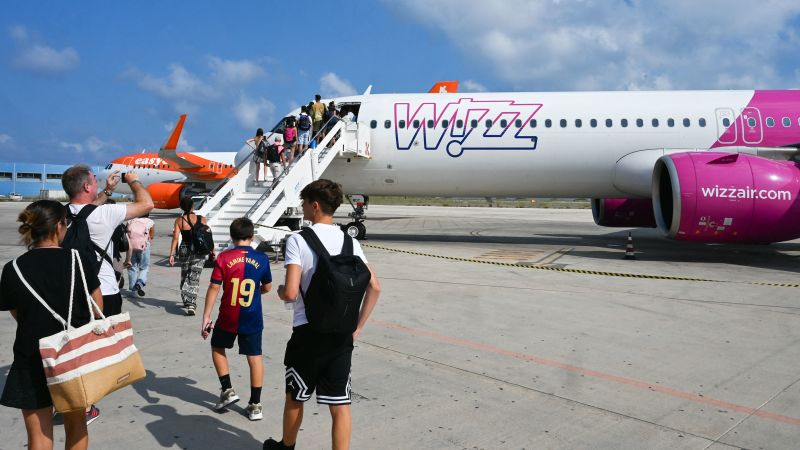
The European low-cost carrier model is built around removing expenses from airline operations, like flying a single type of aircraft, minimizing maintenance costs, and using stairs instead of jet bridges to save on airport fees. Garth Lund, a former Wizz Air executive, said European budget carriers are “unwavering in their commitment to low costs.” They’ve really stuck to the original business model and haven’t allowed themselves to get distracted, which has helped them maintain their cost structure better than US airlines.
European airports are also designed to keep budget carriers moving quickly and affordably. For example, many airports have shorter turn times, which means aircraft can fly more frequently and earn more money for the airline. US airports, on the other hand, can take up to 45 minutes to an hour to turn around an aircraft, which is a significant difference. Additionally, European airports often have multiple options for low-cost carriers, like secondary airports, which can help reduce costs.
The US has a different story when it comes to low-cost carriers. Many have tried and failed, like Spirit Airlines, which collapsed earlier this year. The remaining low-cost carriers, like Frontier and Allegiant Air, have to compete with legacy airlines that have adopted some low-cost strategies, like basic economy fares. It’s a challenging market, and it’s interesting to see how the US airlines will adapt to the changing landscape.
It’s also worth noting that Europeans have a more positive view of budget carriers, while Americans often associate them with poor quality or bad customer service. As Garth Lund said, “In the US, I feel like there’s almost a stigma attached to flying with a low-cost airline.” This stigma can make it harder for low-cost carriers to succeed in the US market.
In conclusion, the low-cost carrier model has been successful in Europe, but it’s faced challenges in the US. With its commitment to low costs and efficient operations, Ryanair has become one of the most profitable airlines in the world. As I finish my coffee, I’m left wondering if the US will ever adopt a similar model, or if the legacy airlines will continue to dominate the market. Either way, it’s been an entertaining read, and I’m grateful for the laugh – who wouldn’t want to pay extra for a bathroom break on a flight? 😂

Armchair patriot. Believes in the free market, cold beer, and that there’s always a guy named George behind every CNN segment.
Former remote-throwing champion turned #1 couch commentator on liberal panic in the media. Born in Texas (or so his mug says), he earned a degree in Fake Newsology & Beer Philosophy from YouTube University.
⚖️ ENTER THE LEGALIZER
Think the government has no idea what it's doing? Put your case before the Federal Case Terminal and find out.


