
The Supreme Court is gearing up to hear a major climate change case, and I’m sipping my coffee, wondering what kind of drama will unfold. The city and county of Boulder, Colorado, are suing two energy companies, ExxonMobil and Suncor Energy, claiming they’re responsible for the damages caused by climate change. I mean, who hasn’t heard of ExxonMobil, right? They’re like the ultimate symbol of big oil. Anyway, Boulder argues that these companies not only contributed to climate change but also misled the public about the role fossil fuels played in it. That’s some serious allegations, folks.
The case is part of a larger trend, with dozens of cities and states filing similar lawsuits against oil companies. These companies are warning that the litigation could amount to a carbon tax that could bankrupt the energy industry. I can see why they’d be concerned – it’s not like they’re rolling in dough or anything (oh wait, they totally are).
Boulder claims it’s exercising its state police powers to protect the health and safety of its residents, and that this practice isn’t novel. In fact, they’re pointing to the tobacco lawsuits of the 1990s, where states sued the largest tobacco companies for damages and alleged deceptive practices. That litigation led to a massive settlement, so it’s possible that Boulder is hoping for a similar outcome.
The energy companies, on the other hand, are arguing that greenhouse gas emissions are an interstate challenge and that state tort laws don’t apply. They’re saying that the Constitution preempts state laws in this case, and that a single state’s law can’t resolve an inherently interstate dispute. It’s a complex argument, but basically, they’re saying that climate change is a national issue, not a local one.
In a surprising twist, Justice Samuel Alito announced that he would recuse himself from the case due to his holdings in energy stocks. I guess it’s better to be safe than sorry, especially when it comes to avoiding conflicts of interest. This decision opens up the possibility of a 4-4 split, which would allow the litigation to continue. Who knows what will happen next?
The Supreme Court is set to hear the case on Monday, and it’s the first case of the new term that features disputes over issues like AR-15 bans, religious schools, and voting. A decision is expected by June, so we’ll have to wait and see how it all plays out. In the meantime, I’ll be over here, sipping my coffee and watching the drama unfold.
As I finish reading this article, I’m left with more questions than answers. Will the Supreme Court rule in favor of Boulder, or will they side with the energy companies? And what will be the implications of their decision? One thing’s for sure – this case has the potential to be a game-changer in the fight against climate change. And who knows, maybe one day we’ll look back on this case as a turning point in the history of environmental law. Until then, I’ll just be over here, shaking my head and wondering what’s next. 🤔
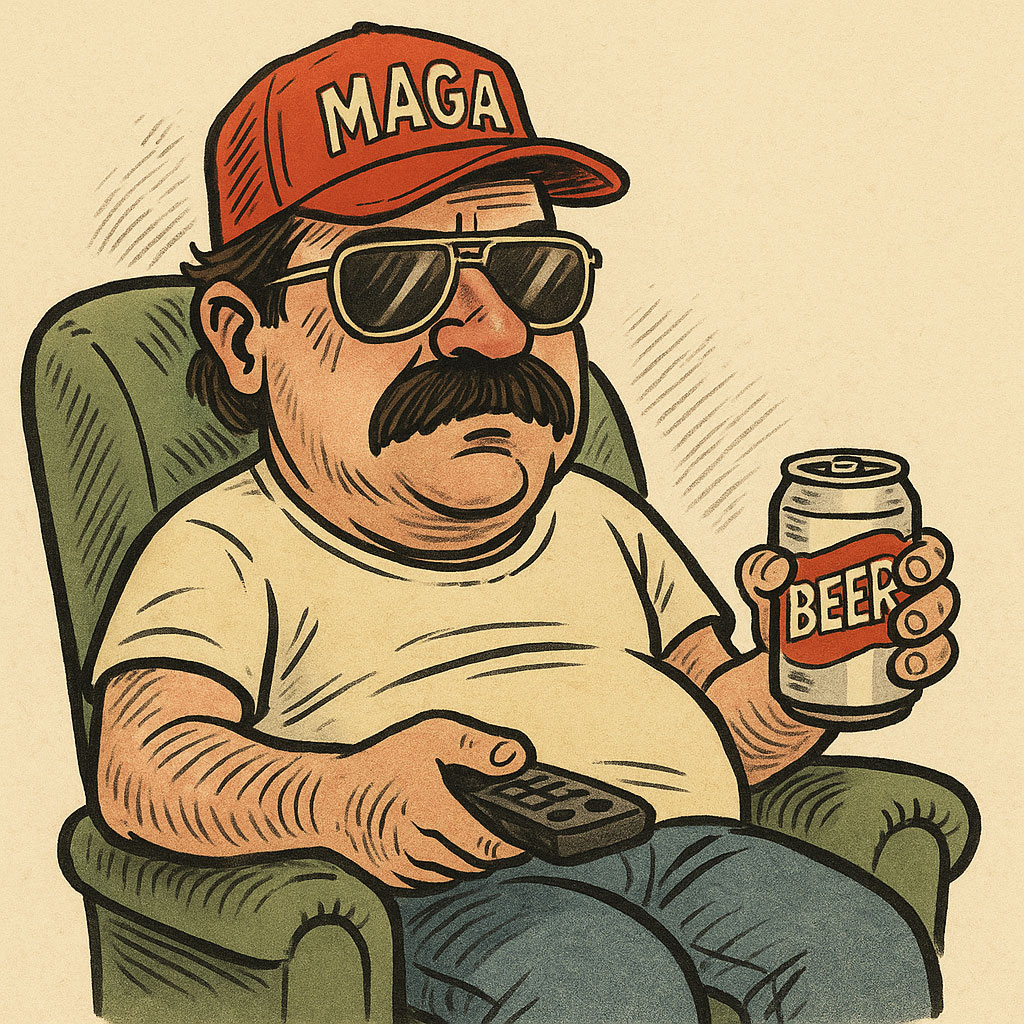
Armchair patriot. Believes in the free market, cold beer, and that there’s always a guy named George behind every CNN segment.
Former remote-throwing champion turned #1 couch commentator on liberal panic in the media. Born in Texas (or so his mug says), he earned a degree in Fake Newsology & Beer Philosophy from YouTube University.
⚖️ ENTER THE LEGALIZER
Think the government has no idea what it's doing? Put your case before the Federal Case Terminal and find out.