
Folks, I almost spilled my coffee reading this one. So, it turns out that there’s a 160-year-old federal law that bans Americans from making distilled spirits at home. I mean, who knew? John Ream, an Ohio engineer, sure didn’t, until he tried to switch from brewing beer to making whiskey and found out he could face jail time and lose his home if he got caught. Bless their hearts, he decided to sue instead.
Ream’s story is pretty interesting. He got into brewing beer at home nearly two decades ago, and it was as easy as opening a kit his wife had bought for him as a gift. But when he tried to make whiskey, he ran into this old law that prohibits distilling spirits at home. He could have faced some serious penalties, including a $500,000 fine and up to five years in prison. His home would also have been subject to forfeiture, which is just crazy.
Ream’s lawyers argue that the law is unconstitutional and that it could have broad implications beyond just making booze. They say that if the government can ban home distilleries, it could also ban other activities at home, like baking or sewing, simply by taxing them and citing evasion as a justification. You can’t make this stuff up, folks. The government collected $6 billion in revenue from the tax in 2024, so it’s not like they’re hurting for cash.
The Supreme Court has agreed to decide whether the federal government can bar people from distilling liquor at home. The justices will likely decide the case next year, and it’ll be interesting to see how they rule. Ream’s case is sure to be influenced by the outcome, and it could have some big implications for home distillers and others who want to make their own spirits.
The government says that the law was enacted to limit tax evasion by commercial distillers, but Ream and his lawyers argue that it was really just a way to appease the temperance movement. They point out that there’s no evidence to support the government’s theory that home distilling was a major problem, and that the law seems to be more of a political compromise than anything else.
Somewhere in Atlanta, a producer thought this sounded terrifying, and now we’ve got a big court case on our hands. The penalties for violating the law are severe, including criminal fines and up to five years in prison. It’s not just Ream who’s challenging the law, either – there are several conservative groups who are pointing out that the founding fathers used to distill whiskey and other spirits at home all the time. George Washington even had a distillery at Mount Vernon, and people can still tour it today.
The case has already been to two federal appeals courts, which reached different outcomes. The 5th US Circuit Court of Appeals decided that the law violated the necessary and proper clause, while the 6th Circuit came to the opposite conclusion. The 6th Circuit said that alcohol is essentially in a class by itself, and that rules concerning it are unique. But Ream’s lawyers argue that this is just a way of saying that the government can ban anything it wants, as long as it’s related to alcohol.
In conclusion, this case is a big deal, folks. It’s not just about home distillers – it’s about the power of the government to regulate what we do in our own homes. The Supreme Court’s decision could have some big implications, and it’ll be interesting to see how they rule. And who knows, maybe one day we’ll all be able to distill our own whiskey at home without fear of prosecution. Wouldn’t that be something? As I finish my coffee, I’m left wondering what other outdated laws are still on the books, just waiting to be challenged.
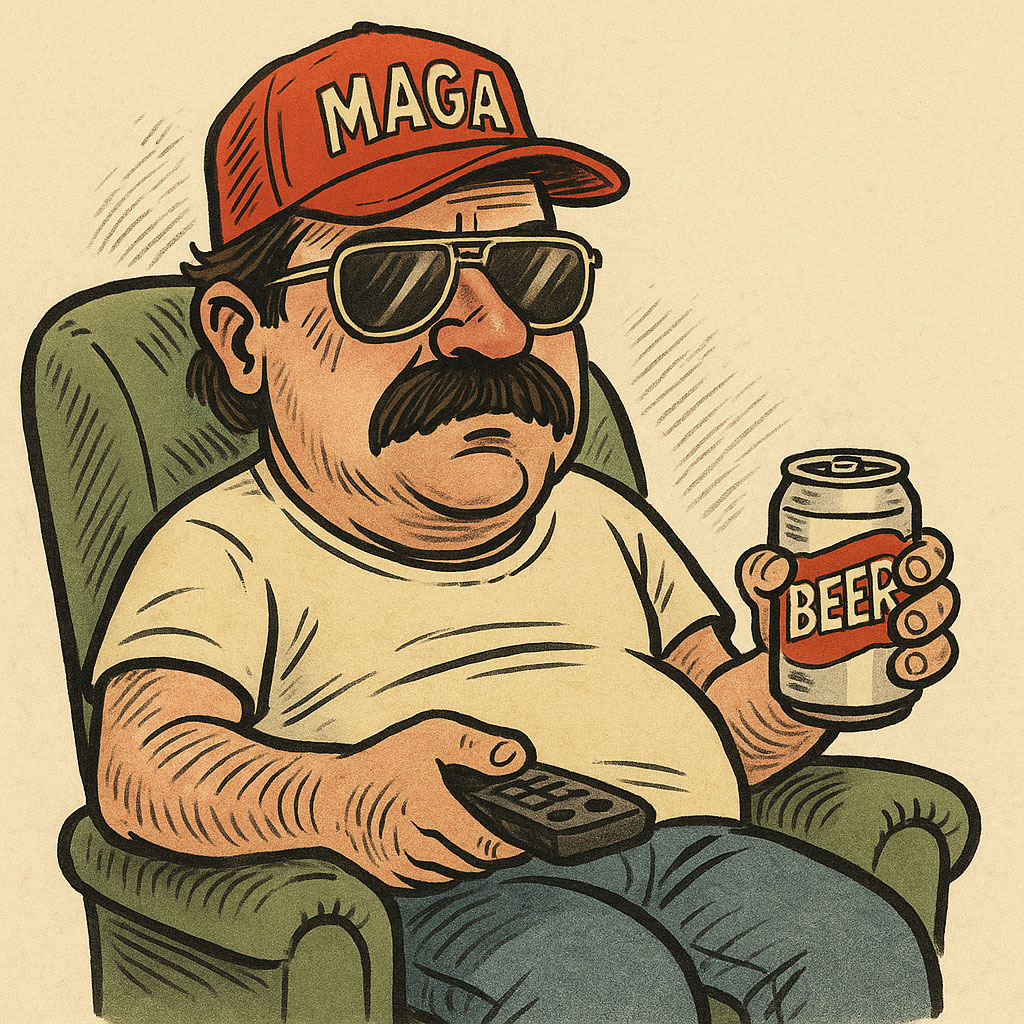
Armchair patriot. Believes in the free market, cold beer, and that there’s always a guy named George behind every CNN segment.
Former remote-throwing champion turned #1 couch commentator on liberal panic in the media. Born in Texas (or so his mug says), he earned a degree in Fake Newsology & Beer Philosophy from YouTube University.
⚖️ ENTER THE LEGALIZER
Think the government has no idea what it's doing? Put your case before the Federal Case Terminal and find out.