Writer/director Jane Schoenbrun doesn’t make movies that are easy to unlock, in a way that genuinely seems to be the point. I Saw the TV Glow, their acclaimed blend of pop culture homage and horror, never explicitly explains the central allegory, and their newest movie, Teenage Sex and Death at Camp Miasma, is even more sprawling in its themes and ideas. However, thanks to locked-in, fully committed performances from stars Gillian Anderson and Hannah Einbinder, it’s a movie that makes emotional sense. It’s even a bit of a love story, though who’s in love with who — or what — is up in the air.
Like many great modern mindfucks, the premise is relatively simple on the surface: Kris (Einbinder) is a 29-year-old indie filmmaker who’s been given the cynical assignment of resurrecting the Camp Miasma horror franchise. (The studio wants a new “woke” origin story. It’s hard not to imagine Jane Schoenbrun sitting in real-life development meetings where those words were said unironically.)
For Kris, this is a dream opportunity for her to explore the feelings she felt when she saw the first movie in the franchise as a young girl. She’s even managed to secure a meeting with the reclusive Billy (Anderson), who starred in the first Miasma and then stopped acting, despite offers to return for subsequent sequels.
The Story Unfolds
Meeting Billy isn’t as easy as going to a local Starbucks, though — Kris instead has to travel to the remote summer camp where the first Miasma movie was filmed, a surreal snowy wonderland Billy has since purchased and transformed into her own private haven. Over the course of just a few days there, Kris unpacks a lifetime of sexual confusion and Billy faces the demons that led her to retreat from the world. Fried chicken and a lot of fake blood are involved.
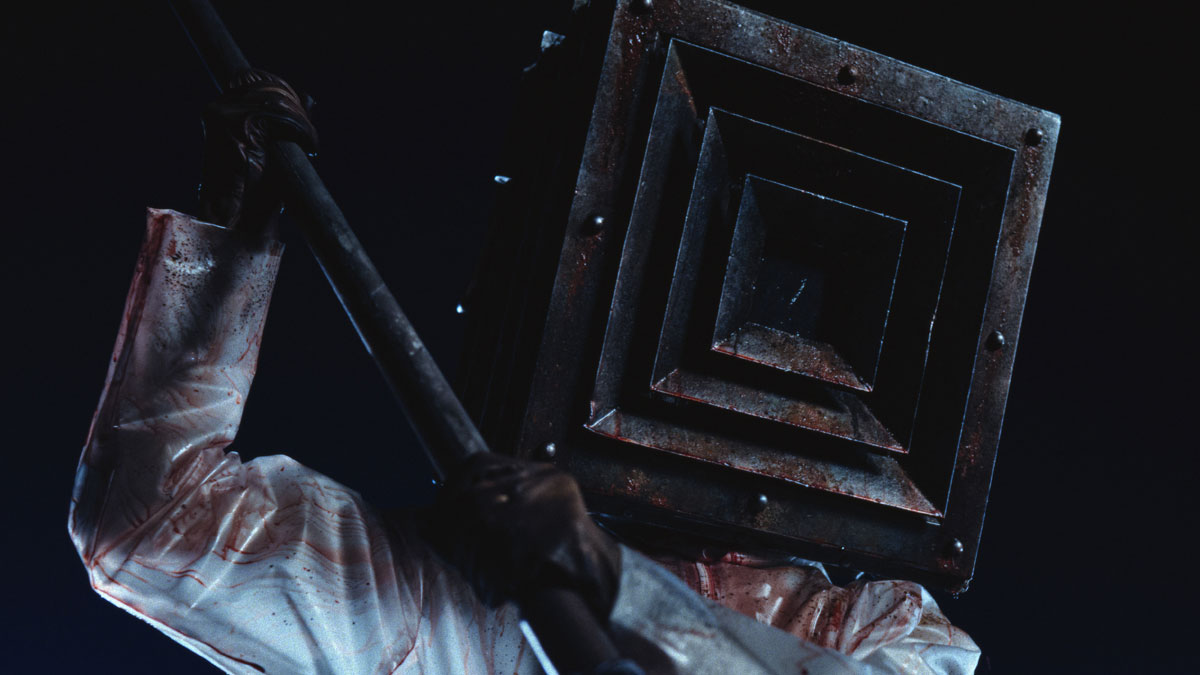
In some ways, Camp Miasma is less than subtle with its messaging — the iconic killer of the original franchise is a Freddy-esque figure known as Little Death, after all. At one pivotal moment, Billy leans forward to explain what two things slasher movies are about, and you expect to hear a fragment of the title come out of her mouth: sex and death. Her actual answer, though, is “flesh and fluids,” an even better encapsulation of this movie’s belief that those two primal feelings are more connected than we’re perhaps comfortable admitting.
Standout Performances
Even when the movie stretches into more esoteric realms, it holds together thanks to its two lead performances. Gillian Anderson’s flat-out remarkable in this, especially because playing Billy pushes her way out of her comfort zone. Across her film and TV work — not just The X-Files, but also Sex Education, Tron: Ares, The Fall, and American Gods — her performances have been defined by their poise and calm. Whether playing one of Hannibal Lecter’s victims on Hannibal or Margaret Thatcher on The Crown, these were women who tended to hold back their emotions, always presenting a certain level of reserve.
So it’s downright thrilling to see Anderson fully unleashed here, goofy and dramatic and vulnerable and very, very funny. Just the meal she makes out of the words “dipping sauce” inspire thoughts about the way MUBI managed to push Demi Moore to an Oscar nomination for The Substance, as well as Amy Madigan’s recent Oscar win for Weapons, another strange genre movie anchored by an iconic performance. Not that awards are the reason for the work, but it’d be thrilling to see a performance this wild and unexpected receive that level of acclaim.
Hannah Einbinder also manages to take a character that on the surface bears some strong similarities to her Emmy-winning role on HBO Max’s Hacks and make it very different. Yes, she’s once again playing a young writer with a fixation on an older woman. However, Kris is quieter than Ava, largely free of irony, and desperate to understand her own sexuality, forever warped by Jane Schoenbrun’s TV glow. Seeing what else Einbinder is capable of down the line is going to be a real treat.
A Love Story
The scenes we see of Camp Miasma in the film (a perfect match for the 1980s horror genre) feature some standout performances, including Patrick Fischler as a creepy gas station attendant and Zach Cherry as one of the camp counselors who meets an untimely end. We don’t see much of Jack Haven’s face as Little Death, thanks to the mask, but physically they embody the character in fascinating ways throughout the film. And Little Death’s kills, in the film within a film, are just over the top enough to delight.
In terms of required viewing, the 1983 movie Sleepaway Camp has been mentioned frequently, but there’s also a less obvious inspiration point. On July 28th, I somehow lucked into getting a ticket for a live read of the 2002 movie Secretary, put on by Film Independent and featuring Jane Schoenbrun and Camp Miasma cast members.
That night, Hannah Einbinder transformed herself into Maggie Gyllenhaal’s character while Gillian Anderson matched James Spader’s deliberate reserve (as mentioned above, it’s in her wheelhouse). What the live read highlighted was how the relationship between those two characters was more symbiotic than one might remember — which only highlights the way Billy and Kris come to understand each other.
Laying out all of Camp Miasma’s best surprises feels like a crime, though there’s a particularly deranged use of Counting Crows’ “Long December” I can’t keep myself from mentioning. This movie might need a few viewings to fully crack, but even the first time through, what stands out is the way it explores what it means to have a secret place inside you, one you can only unlock with the help of something unexpected. Like, say, 1980s horror movies. Or a movie about them.
Teenage Sex and Death at Camp Miasma is in theaters now. The movie has received critical acclaim for its unique blend of horror and drama, and its exploration of themes such as sexuality, trauma, and the power of art to transform and heal. With its standout performances, clever writing, and unapologetic style, Teenage Sex and Death at Camp Miasma is a must-see for fans of Jane Schoenbrun and anyone looking for a thought-provoking and deeply unsettling cinematic experience.

Pixel P. Snarkbyte, widely regarded as the “Shakespeare of Sh*tposts,” is a video game expert with a unique knack for turning pixels into punchlines.
Born in the small town of Respawn, Pennsylvania, Pixel grew up mashing buttons on an ancient NES controller, firmly believing that “blowing into the cartridge” was a sacred ritual passed down through generations.
Pixel P. Snarkbyte: proving that life, much like a buggy open-world game, is better with a little lag-induced chaos.
⚖️ ENTER THE LEGALIZER
Think the government has no idea what it's doing? Put your case before the Federal Case Terminal and find out.