Folks, I almost spilled my coffee reading this one. Four years ago, then-Federal Reserve Chair Jerome Powell warned Americans that getting inflation under control would come at a cost. Now, with the Fed raising interest rates for the first time in three years, it seems like that cost is coming due. Powell told attendees at a central banker conference that the Fed needed to act “forcefully” to bring inflation under control, and that it would bring “some pain” for consumers. I’m no economist, but it sounds like the Fed is trying to thread a pretty small needle here.
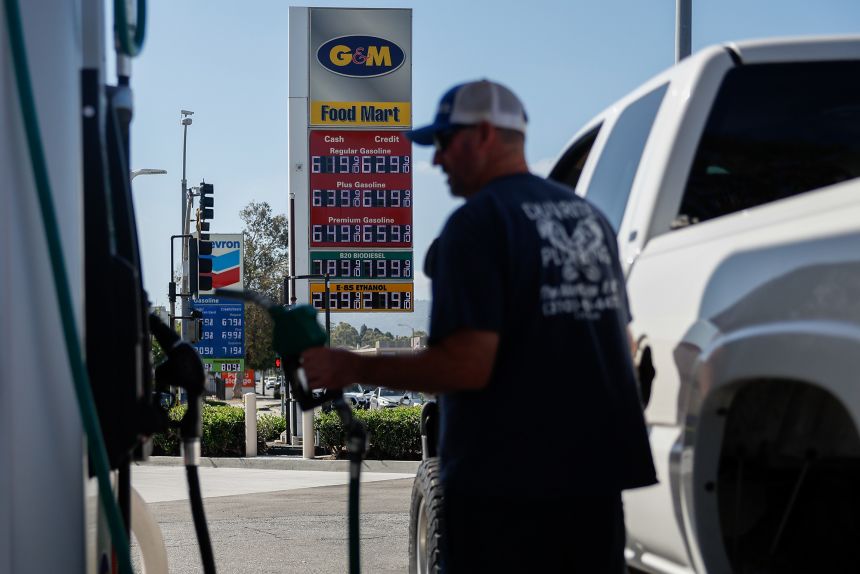
The current inflation is being driven primarily by fuel prices, which have skyrocketed since the war with Iran broke out in February. The Fed has little control over oil production, but by raising interest rates, it’s trying to prevent higher energy costs from spilling over into other parts of the economy. It’s a delicate balance, and the Fed is walking a tightrope between keeping inflation in check and preserving a healthy labor market.
Chicago Fed President Austan Goolsbee said last month that while this type of supply-driven inflation may be easier to bring under control than the post-pandemic demand-driven inflation, “it won’t be painless either.” I’m not sure what’s more painful, the inflation or the cure, as Beth Ann Bovino, chief economist at US Bank, put it. The Fed is trying to prevent higher energy costs from fueling broader inflation, but that slowdown can come at a cost to workers, often leading to weaker hiring, fewer job openings, and even job losses.
Consumer spending accounts for roughly two-thirds of US economic activity, making it a key driver of growth. If Americans pull back due to higher prices or borrowing costs, the economy could slow, and in a worst-case scenario, tip into a recession. But for now, economic pain isn’t being felt equally, and Americans with substantial investments in the stock market are doing just fine. Those who rely more heavily on their paychecks, however, have less of a cushion against rising prices.
The Fed officials are advocating for a more patient approach, saying they’d like more time to observe how economic conditions evolve before deciding on more rate hikes. New York Fed President John Williams said there’s no need for urgency, and Fed Vice Chair Philip Jefferson echoed that sentiment. However, waiting to act carries risks of its own, and Cleveland Fed President Beth Hammack warned that delaying action could make the fight against inflation even more painful.
It seems like the Fed is trying to figure out how much pain the economy can withstand, and which risk is worse: acting too soon or waiting too long. Either way, consumers are likely to pay the price. The September Consumer Price Index report due Wednesday may give officials some valuable clues, but until then, we’ll just have to wait and see. And that’s the story, folks, a big game of economic chicken, where everyone’s waiting to see who blinks first.
Armchair patriot. Believes in the free market, cold beer, and that there’s always a guy named George behind every CNN segment.
Former remote-throwing champion turned #1 couch commentator on liberal panic in the media. Born in Texas (or so his mug says), he earned a degree in Fake Newsology & Beer Philosophy from YouTube University.
⚖️ ENTER THE LEGALIZER
Think the government has no idea what it's doing? Put your case before the Federal Case Terminal and find out.