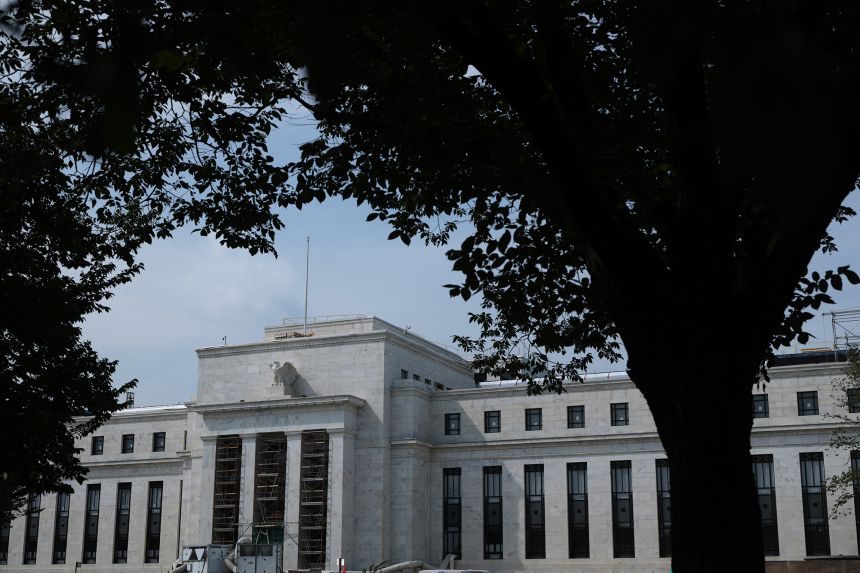
Folks, I almost spilled my coffee reading this one. Investors are getting all worked up about government deficits and inflation, which is driving up the price of money. The Federal Reserve is trying to calm everyone down, but it’s like trying to herd cats. Fed Chairman Kevin Warsh has been pretty quiet about where he thinks interest rates are headed, but he did give a hint in a speech last month that rate hikes might be coming. I guess that’s supposed to be reassuring, but I’m not sure it’s doing the trick.
The conflict in the Middle East is making things worse, pushing up energy prices and forcing countries to borrow more money to pay for defense spending and war efforts. This is causing a big mess in the bond market, with yields going up to multi-year highs. Higher yields mean higher borrowing costs for everyone, from consumers to the US government. It’s like a big snowball rolling down a hill, gaining speed and size as it goes.
Warsh has said that the Fed is committed to keeping inflation at 2% per year, but that’s not enough to calm down bond investors. They want to know more about the Fed’s plan to control inflation, and they’re not getting the answers they want. It’s like they’re trying to read tea leaves or something. The Fed’s balance sheet is a powerful tool that could be used to influence long-term yields, but it’s not likely to be used. Warsh has said that the Fed needs to go back to basics and focus on controlling inflation, rather than using unconventional tools like quantitative easing.
I have to say, it’s a bit confusing. On the one hand, the Fed is trying to control inflation, but on the other hand, it’s not using all the tools at its disposal. It’s like they’re trying to thread a needle while blindfolded. The Fed’s independence is important, and Warsh has said that it’s essential for the bond market. If investors trust that the Fed will make tough decisions to control inflation, they’re more likely to have faith in its commitment to price stability.
The Fed has used its balance sheet to influence long-term borrowing costs in the past, like during World War II. But that was a different time, and it’s not like we’re in a world war right now. The Fed set a fixed low price for Treasury bills and long-term bonds, and then bought up all the bonds that private buyers didn’t want. It’s like they were trying to manipulate the market, but it came at a cost. The Fed effectively surrendered its independence, making it harder for policymakers to tame inflation.
Ultimately, the simplest tool the Fed has to calm the bond market is to convince investors that it will act to keep inflation under control. It’s like they need to shout it from the rooftops: “We’ve got this, folks! We’re on top of it!” But until they do, the bond market is going to remain volatile. And that’s just the way it is. As I always say, you can’t make this stuff up. The Fed is like a big elephant in the room, and everyone’s waiting to see what it will do next. And I’m just sitting here, sipping my coffee, waiting for the next big move.

Armchair patriot. Believes in the free market, cold beer, and that there’s always a guy named George behind every CNN segment.
Former remote-throwing champion turned #1 couch commentator on liberal panic in the media. Born in Texas (or so his mug says), he earned a degree in Fake Newsology & Beer Philosophy from YouTube University.