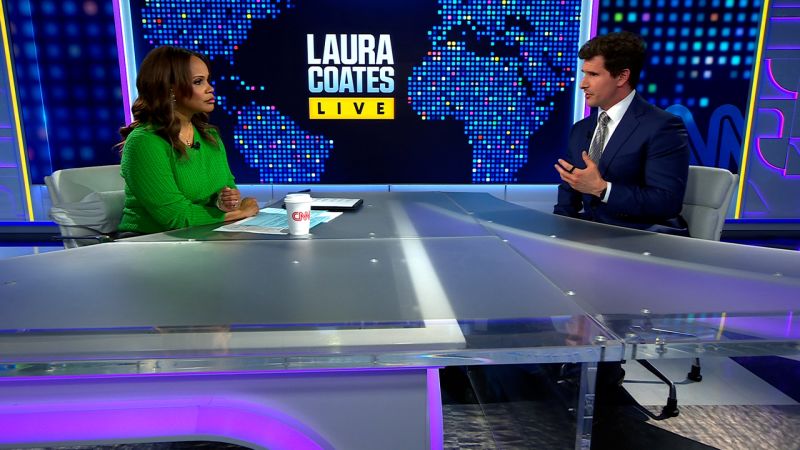
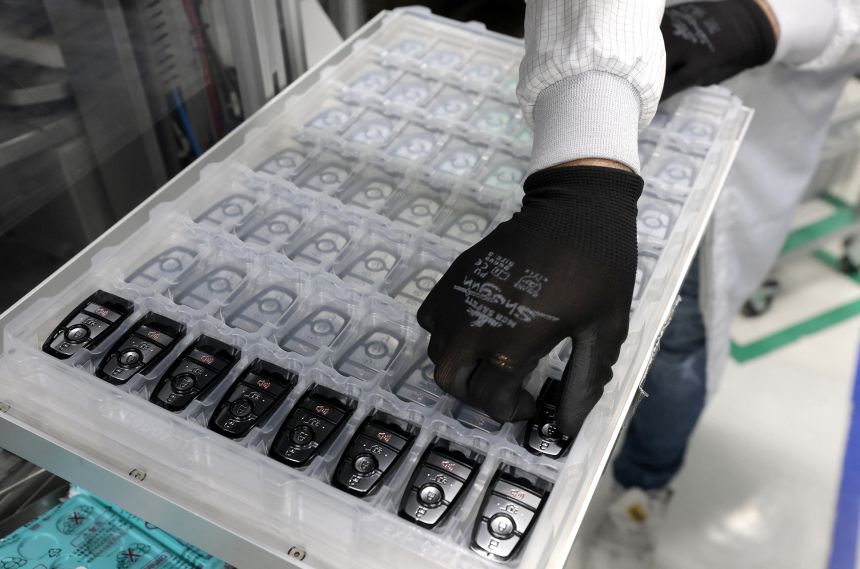
Folks, I almost spilled my coffee reading this one. Toyota is actually shifting some production from Mexico to the United States. I mean, who wouldn’t want to build cars in the good ol’ US of A, right? The Japanese automaker will soon build half of its best-selling midsize Tacoma pickups at an expanded plant in San Antonio, where it already builds the Tundra full-size pickup and Sequoia SUV. But don’t get too excited, they’ll still be building Tacomas in Mexico too.
So, President Donald Trump is taking credit for this move, calling it a “really big deal” and proof of “Tariffs at work!” But, bless their hearts, Toyota didn’t exactly cite tariff policy as the reason for their decision. They said it’s all about “broader strategic goals” and “multi-decade decisions.” Yeah, because that’s exactly what I want to hear from a company – a whole lot of corporate jargon.
It turns out that moving production to the US is actually pretty difficult. Most automakers would rather pay tariffs than spend billions to build new facilities. And even when they do move production, it’s usually into existing factories. I mean, who needs a brand new factory when you can just use one you already have, right? Forty-six percent of the cars purchased by US consumers last year were imported, and that number hasn’t changed much. Some of that drop was because automakers stopped selling imported vehicles with lower price tags, like the Nissan Versa.
The US-Mexico-Canada Agreement, or USMCA, is up for renegotiation, and Trump suggested he’d walk away from it if there weren’t substantial changes in favor of American companies. This terrifies automakers that have come to depend on parts being able to move freely across US borders with Canada and Mexico. I can imagine the panic rooms at these companies, filled with executives going, “Oh no, what are we going to do?”
Tariffs are taking a bite into earnings, with Toyota paying $8.4 billion in duties in its most recent fiscal year. General Motors paid $3.1 billion in tariffs in 2025, and Ford paid $1 billion. But, despite all this, some companies are making moves. General Motors said it would shift the assembly of two SUVs from Mexico, and Toyota is, of course, moving some Tacoma production to the US.
For Toyota, there are also business reasons beyond trade policy to shift production to San Antonio. Patrick Anderson, a Michigan economist and expert in the auto industry, said it makes natural business sense to consolidate existing operations. And even with tariffs as high as they are, it doesn’t make sense for automakers to shift production based on trade policies that can shift much faster than it takes to build a factory.
Experts say it would take the automakers years, and cost them billions, to build enough new US plants or expand existing ones to replace imported vehicles. Labor costs in the US are also higher than in Mexico and some other countries. Demand is strong, with total vehicle sales rising 2% last year, even with record high car prices. So, it looks like we’ll just have to keep on importing those cars for now.
In conclusion, Toyota’s move to shift some production to the US is a big deal, but it’s not a huge surprise. The company has its reasons, and it’s not all about tariffs. The USMCA renegotiation is a big concern for automakers, and tariffs are taking a toll on their earnings. But, at the end of the day, it’s all about the benjamins, baby. And if building cars in the US makes sense for Toyota’s bottom line, then that’s what they’ll do. Now, if you’ll excuse me, I need to refill my coffee cup – all this talk about tariffs and trade policies has me needing a caffeine boost!
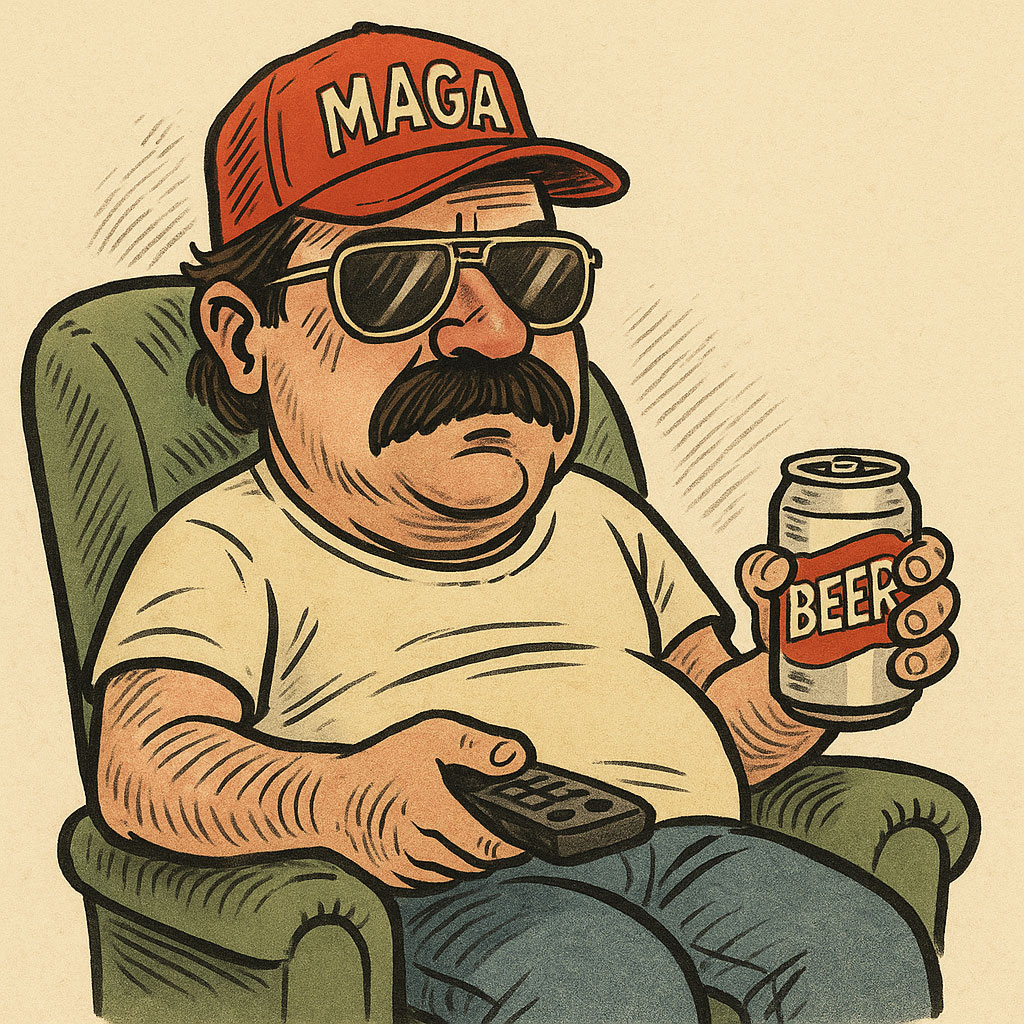
Armchair patriot. Believes in the free market, cold beer, and that there’s always a guy named George behind every CNN segment.
Former remote-throwing champion turned #1 couch commentator on liberal panic in the media. Born in Texas (or so his mug says), he earned a degree in Fake Newsology & Beer Philosophy from YouTube University.
⚖️ ENTER THE LEGALIZER
Think the government has no idea what it's doing? Put your case before the Federal Case Terminal and find out.