
Folks, I almost spilled my coffee reading this one. The war between the United States and Iran has really gotten out of hand, and it’s causing chaos in the global oil market. The Strait of Hormuz and the Bab al-Mandeb Strait, two critical waterways, have been severely disrupted, and it’s like a big mess. I mean, who doesn’t love a good game of “let’s see how high we can get oil prices to go”? The conflict has been going on for eight months now, and it’s getting more intense by the day.
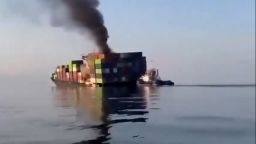
The Iranians are stepping up their attacks on tankers, and it’s getting to the point where it’s not safe for ships to pass through the Strait of Hormuz. I mean, 12 reported attacks in the past week? That’s just crazy. And to make matters worse, two cargo ships sank after being hit by unknown projectiles. It’s like something out of a movie, but unfortunately, it’s real life.
The US military has been helping to ferry oil across the strait, but it’s not enough to keep up with demand. The Iranians are struggling to get their own tankers through, and it’s causing a big bottleneck. The global oil market is feeling the effects, and prices are staying above $100 a barrel. It’s not good news for anyone, especially with the midterms coming up.
The conflict has also spread to other parts of the region, with fighting between Saudi Arabia and Iran-backed Houthi militants in Yemen. The Houthis have been targeting Saudi oil tankers, and it’s getting ugly. I mean, who needs stability in the Middle East, right? The US is trying to help out, but it’s a tough situation.
Analysts are saying that the crisis will have long-term effects on the global oil market. Georg Zachmann, a senior fellow at Bruegel, told CNN that oil-importing countries need to reduce their consumption to become less vulnerable to external shocks. That’s easier said than done, but I guess it’s a start.
The Bab al-Mandeb Strait has become more important since the war started, but it’s also become a target for the Houthis. They’ve been threatening ships, and it’s causing a big problem. Richard Bronze, co-founder of Energy Aspects, said that the flows of crude oil through the strait have “collapsed” since the Houthi threat started escalating. That’s not good news for anyone.
Asian countries have been bearing the brunt of the crisis, but they’re adapting by cutting consumption. China has reduced its imports by tapping into its strategic reserves. It’s not a permanent solution, but it’s something. Some Middle Eastern countries are exploring new export routes through yet-to-be-built pipelines. I mean, who doesn’t love a good pipeline?
The longer this conflict drags on, the less leverage Iran actually has. Other countries are finding ways to create bypass routes, and it’s weakening Iran’s position. Johannes Rauball, senior crude analyst at Kpler, said that if the Houthis start threatening ships from all countries, it would “really create another blow for crude markets.” Let’s just hope it doesn’t come to that.
In conclusion, the situation in the Middle East is a mess, and it’s affecting the global oil market. The conflict between the US and Iran is causing chaos, and it’s not showing any signs of slowing down. I guess we’ll just have to wait and see what happens next. And in the meantime, I’ll just be over here, sipping my coffee and watching the oil prices go up and up. 🙄

Armchair patriot. Believes in the free market, cold beer, and that there’s always a guy named George behind every CNN segment.
Former remote-throwing champion turned #1 couch commentator on liberal panic in the media. Born in Texas (or so his mug says), he earned a degree in Fake Newsology & Beer Philosophy from YouTube University.
⚖️ ENTER THE LEGALIZER
Think the government has no idea what it's doing? Put your case before the Federal Case Terminal and find out.