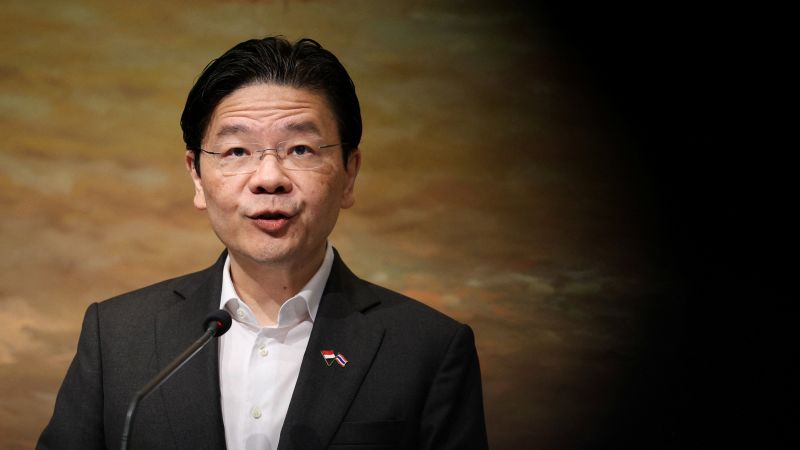
Sipping my coffee and reading about Singapore’s ministers getting a hefty pay raise – folks, this one’s a doozy. It seems that Prime Minister Lawrence Wong is already one of the highest-paid politicians in the world, earning more than four times what US President Donald Trump makes, and now he’s getting a $1 million bump. I mean, I’m happy for the guy, but that’s a serious chunk of change. Wong’s annual pay package will rise nearly 64%, from S$2.2 million ($1.7 million) to S$3.6 million ($2.8 million), while other ministers will receive increases of up to 9%. And the best part? Wong has pledged to donate his pay increase to charity for five years, because, you know, he’s just that kind of guy.
I have to wonder, though, what’s behind this pay raise. Is it really just about attracting talent to the public service, as Wong claims? Or is there something more to it? The Southeast Asian nation has long justified its generous political salaries as a way to curb corruption, which is rampant in some neighboring countries. And it’s true that Singapore has a reputation for being one of the least corrupt countries in the world, ranking third in Transparency International’s 2025 Corruption Perceptions Index.
But still, it’s hard not to raise an eyebrow at the sheer amount of money we’re talking about. I mean, the median monthly income in Singapore is S$5,775 ($4,500), and yet the ministers are making millions. It’s a bit of a disconnect, don’t you think? And the people of Singapore seem to think so too, judging by the backlash on social media. Eugene Tan, a political analyst and associate law professor at Singapore Management University, said the announcement could come across as “tone-deaf or even self-serving,” and I have to agree.
Wong’s office has referred to an earlier government report on the review, which benchmarks the top 1,000 Singaporean income earners in its calculation. But Ja Ian Chong, a political scientist at the National University of Singapore, said it’s unclear why political salaries should be pegged to such a small number of high earners. And I think that’s a fair question. Shouldn’t politicians be more connected to the people they’re serving, rather than just the wealthy elite?
It’s also worth noting that while high salaries may help reduce incentives for corruption, they’re not completely foolproof. Just look at the case of former transport minister Subramaniam Iswaran, who was jailed for accepting more than $300,000 in gifts while in office. So, while Singapore’s approach may have its benefits, it’s not a magic bullet.
In the end, it’s all about perspective, I suppose. Wong said that the pay increase is necessary to attract talent to the public service, and that it’s ultimately about whether Singapore will continue to have the quality of political leadership it needs. And maybe he’s right. But still, it’s hard not to feel a little skeptical when you’re talking about million-dollar pay raises.
So, there you have it – Singapore’s ministers are getting a big pay bump, and the people are not happy about it. But hey, at least Wong is donating his increase to charity, right? That’s gotta count for something. And who knows, maybe this will all work out in the end and Singapore will continue to thrive under its highly paid ministers. But for now, I’m just going to sit back, sip my coffee, and enjoy the show. After all, as they say, “money can’t buy happiness,” but it can certainly buy a lot of coffee – and that’s something, right?
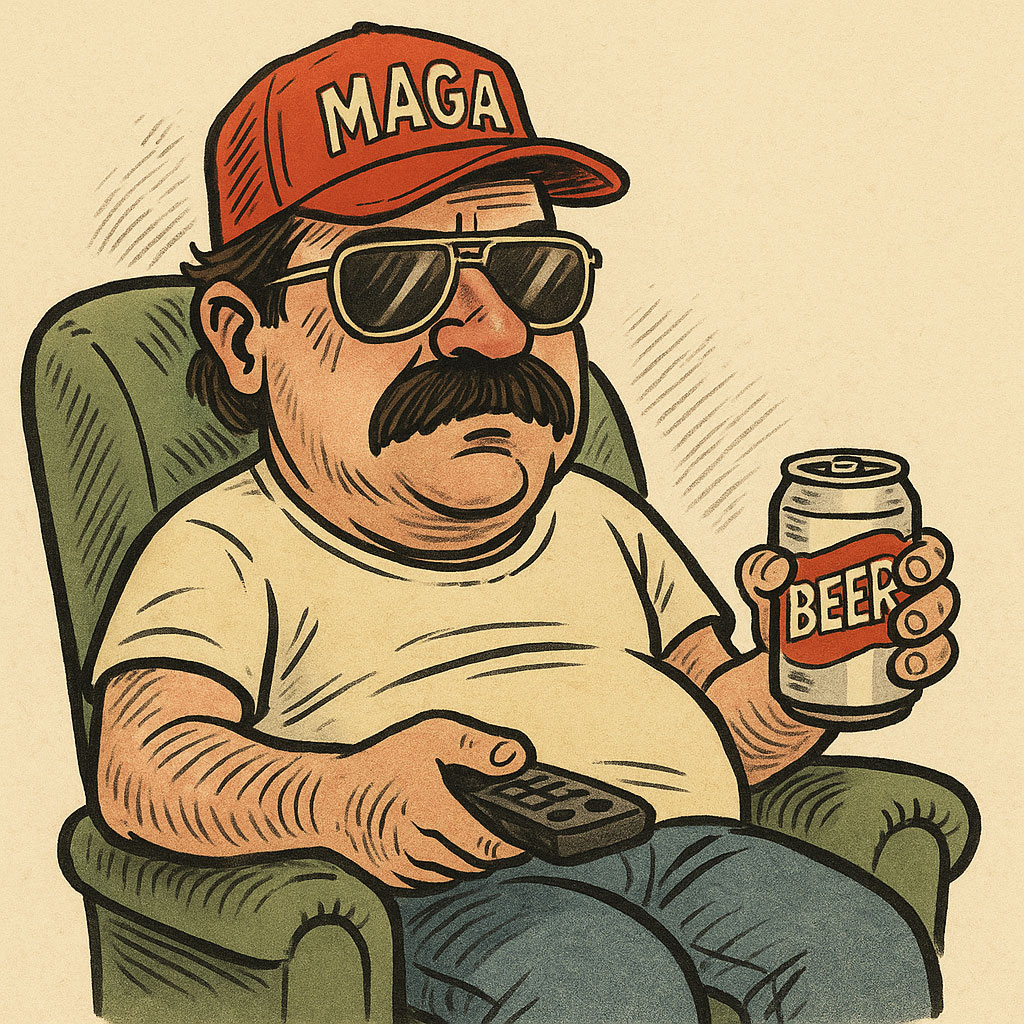
Armchair patriot. Believes in the free market, cold beer, and that there’s always a guy named George behind every CNN segment.
Former remote-throwing champion turned #1 couch commentator on liberal panic in the media. Born in Texas (or so his mug says), he earned a degree in Fake Newsology & Beer Philosophy from YouTube University.