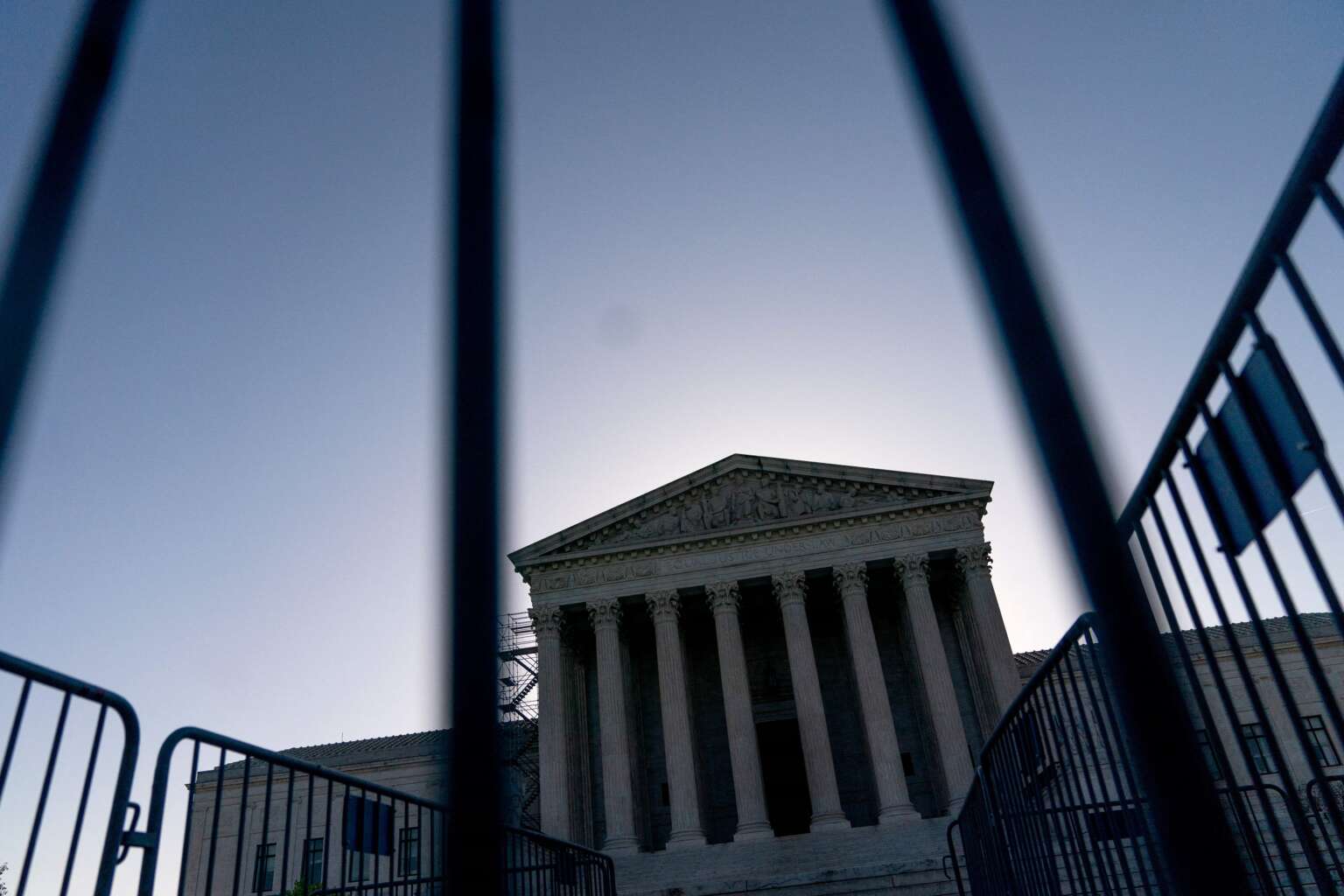
Folks, I’m sipping my coffee and trying to wrap my head around this latest Supreme Court ruling. The Supreme Court has struck down a Hawaii law that banned guns on private property open to the public, unless the owner explicitly allowed it. I mean, I’ve seen some interesting laws in my time, but this one takes the cake. The conservative majority on the court said the law was unconstitutional, and I’m not surprised, given the court’s recent track record on gun rights.
The ruling is a major setback for gun-safety advocates, who were hoping to limit the presence of guns in retail stores and other public spaces. But, as Justice Samuel Alito said, the law “hobbles what the Second Amendment protects: the right of Americans to carry arms for self-defense as they go about their daily lives.” I guess you could say the court is sticking to its guns, no pun intended.
Steve Vladeck, a CNN Supreme Court analyst, said the ruling “crosses a line that the justices had thus far resisted — holding that the Second Amendment protects the right of Americans to bring firearms even onto private property so long as that property is open to the public.” I’m not sure what’s more surprising, the ruling itself or the fact that Vladeck thinks this is a new development. It seems to me like the court has been heading in this direction for a while now.
The dispute over the Hawaii law is the latest case to test the boundaries of the 2022 ruling known as Bruen, which laid out a historical test for assessing the constitutionality of gun laws. Under this test, restrictions on Second Amendment conduct can only be upheld if there were similar laws that existed at the time of the constitution’s drafting. It’s like the court is saying, “Hey, if it was good enough for the Founding Fathers, it’s good enough for us.”
In a dissenting opinion, Justice Ketanji Brown Jackson wrote that the court’s ruling “overrides Hawaii’s considered—and in my view, constitutionally sound—judgment that the property interests of its residents should be protected against unauthorized armed entry.” I’m not sure what’s more surprising, Jackson’s dissent or the fact that she thinks the court’s ruling is somehow unconstitutional. It seems to me like the court is just following its own precedent.
Justice Elena Kagan also wrote a separate dissent, while Justice Amy Coney Barrett wrote a concurrence that partially joined fellow conservative Justices Clarence Thomas and Neil Gorsuch. It’s like the court is trying to out-do itself in terms of complicated opinions and concurrences. I mean, I’ve seen simpler Flowcharts.
The law’s challengers, including individuals with concealed carry permits in Hawaii and a gun rights group, argued that the laws Hawaii was relying on were not enough of a match, and more broadly accused Hawaii of openly defying the Bruen ruling. I guess you could say Hawaii was trying to test the limits of the court’s patience.
At oral arguments in January, an 1865 Louisiana law that prohibited the carrying of “premises or plantations of any citizen” without the property’s owner consent was a subject of intense debate. The law was part of the “Black Codes” aimed at restricting the rights of African Americans, which makes it a pretty interesting historical analogue. I mean, who wouldn’t want to compare their modern-day gun law to a relic of the Jim Crow era?
On Thursday, Alito said Hawaii’s attempt to compare its law to the “tainted artifact” of the black codes “cannot be taken seriously,” while Barrett wrote that it was “beyond me why Hawaii would claim that these vile laws can justify its present-day restriction.” I guess you could say the court is trying to distance itself from some of the more unsavory aspects of American history.
In conclusion, the Supreme Court has struck down a Hawaii law that banned guns on private property open to the public, and it’s a big win for gun rights advocates. The ruling is a major setback for gun-safety advocates, and it’s likely to have implications for other states with similar laws. As I finish my coffee, I’m left wondering what’s next for the court and its interpretation of the Second Amendment. One thing’s for sure, it’s going to be an interesting few years. And who knows, maybe someday we’ll have a Supreme Court ruling that’s actually simple and easy to understand – but I wouldn’t hold my breath if I were you. 🙄
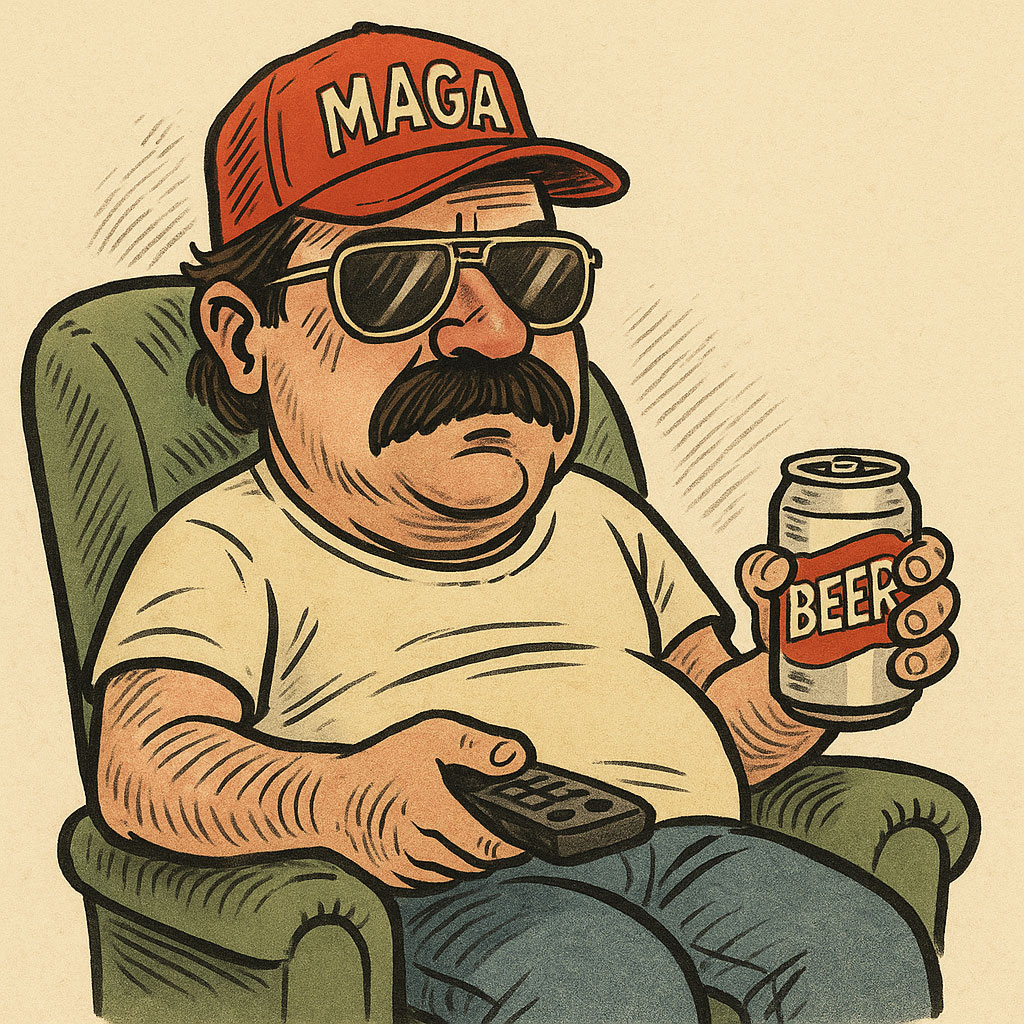
Armchair patriot. Believes in the free market, cold beer, and that there’s always a guy named George behind every CNN segment.
Former remote-throwing champion turned #1 couch commentator on liberal panic in the media. Born in Texas (or so his mug says), he earned a degree in Fake Newsology & Beer Philosophy from YouTube University.
⚖️ ENTER THE LEGALIZER
Think the government has no idea what it's doing? Put your case before the Federal Case Terminal and find out.