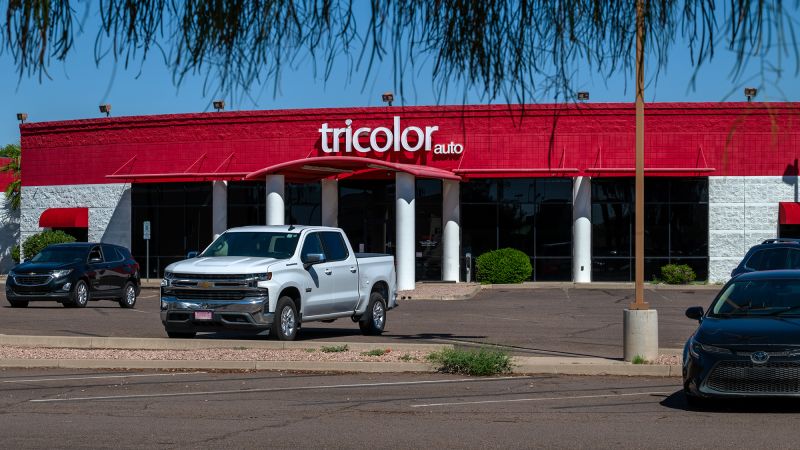
I’m sipping my coffee and reading about the $1.9 billion collapse of subprime auto lender Tricolor, and I have to say, it’s a wild story. The Securities and Exchange Commission is alleging that the company’s executives were involved in a multiyear fraud, which is just unbelievable. I mean, who does that? The company, which is based in Texas, specialized in loans and car sales to buyers without Social Security numbers or credit histories, and apparently, its top executives misled investors about the health of the business. I’m not sure what’s more shocking, the fact that they thought they could get away with it or the fact that they actually did for as long as they did.
The SEC claims that the executives, including former CEO Daniel Chu, portrayed the company as sound while knowing it faced severe liquidity constraints and struggled to fund its operations. That’s like me telling my wife that I’m doing great financially when really I’m barely scraping by. It’s just not a good idea. David Woodcock, the director of the SEC’s Division of Enforcement, said, “We allege that these defendants defrauded investors based on bogus collateral and violated the integrity of our private credit markets.” That sounds like some serious stuff.
This is the second time Tricolor has been accused of fraud, which makes me wonder how they managed to get away with it for so long. Two months after the company declared bankruptcy, the US attorney for the Southern District of New York unsealed an indictment that said Chu and other executives “repeatedly defrauded lenders.” This included “double-pledging collateral,” or pledging the same assets to multiple lenders at the same time. I mean, come on, that’s just basic fraud 101.
The indictment also claimed that Chu directed another company executive, Jerome Kollar, to pay him $6.25 million in bonuses as the company collapsed last summer. He allegedly used some of the money to purchase a multimillion-dollar property in Beverly Hills, California. Because, you know, when your company is going bankrupt, the first thing you should do is buy a fancy house. Weeks later, Tricolor placed more than 1,000 employees on unpaid leaves of absence and filed for bankruptcy. I feel bad for those employees, they probably had no idea what was going on.
Kollar pleaded guilty to the fraud charges and cooperated with the investigation. I guess that’s what happens when you’re caught red-handed. In a statement, Chu’s lawyer, Matthew Schwartz, called the SEC’s case a “rehash of allegations that have already been made.” Schwartz said, “Many of those allegations are inaccurate, as will be clear when the real facts come out.” I’m not sure what’s going to come out, but I’m sure it’ll be interesting.
The SEC also filed its complaint in the Southern District of New York and seeks to force Chu and other former Tricolor executives to repay their allegedly ill-gotten profits plus interest, among other penalties. That’s like trying to get blood from a stone, but I guess it’s worth a shot. Last year, JPMorgan Chase said it would take a $170 million hit from its dealings with Tricolor. And in October, JPMorgan CEO Jamie Dimon told analysts that Tricolor’s bankruptcy set his “antenna” up. He said, “I probably shouldn’t say this, but when you see one cockroach, there are probably more … Everyone should be forewarned on this.” I think that’s just a fancy way of saying that there’s more to this story than meets the eye.
In conclusion, the story of Tricolor’s collapse is a wild one, full of fraud, deceit, and fancy houses. It’s a reminder that even the biggest companies can fall victim to shady dealings and poor management. As I finish my coffee, I’m left wondering what other secrets are hiding in the world of finance. And I’m sure that this story will continue to unfold in the coming months. After all, as the saying goes, “you can’t make this stuff up,” and I’m sure that the folks at Tricolor would agree. With that, I’ll just say that it’s been a wild ride, and I’m looking forward to seeing what’s next.
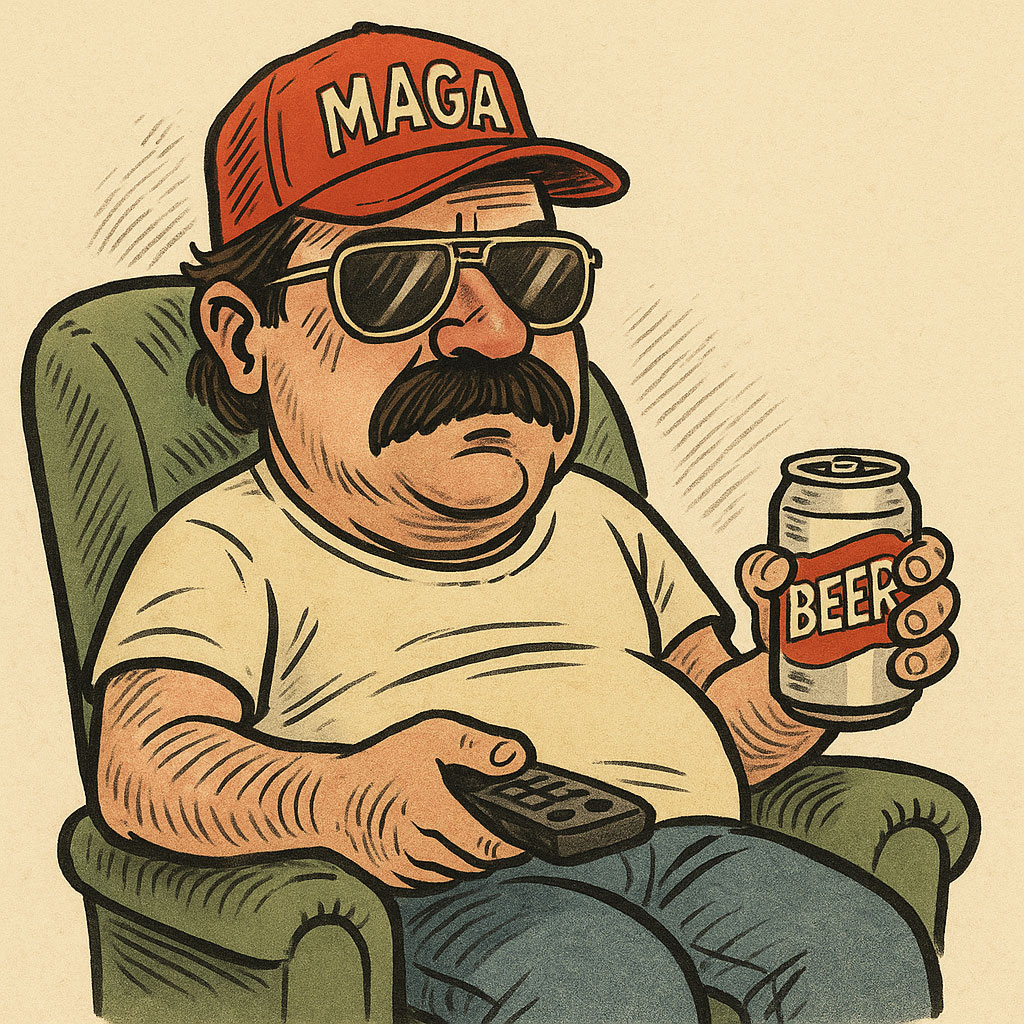
Armchair patriot. Believes in the free market, cold beer, and that there’s always a guy named George behind every CNN segment.
Former remote-throwing champion turned #1 couch commentator on liberal panic in the media. Born in Texas (or so his mug says), he earned a degree in Fake Newsology & Beer Philosophy from YouTube University.
⚖️ ENTER THE LEGALIZER
Think the government has no idea what it's doing? Put your case before the Federal Case Terminal and find out.