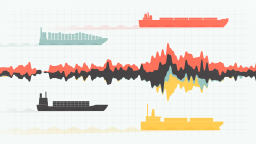
The world of oil tankers is getting weirder by the day, folks. I almost spilled my coffee reading this one. On July 25, a Greek-owned supertanker called the Kiku docked at Qatar’s Mesaieed oil export terminal, and then things started to get interesting. The Kiku loaded up with crude oil and passed through the Strait of Hormuz, maintaining a steady pace of 13 knots across the Persian Gulf. But then, on July 31, the Kiku vanished. Yep, you read that right – it just disappeared. The vessel had switched off its AIS transponder, a marine radio device that broadcasts a ship’s identity, speed, course, and position. To tracking services, it was as if the Kiku simply ceased to exist.
It turns out that the Kiku was part of a new strategy by Middle Eastern oil producers to avoid Iranian drone attacks. The US Navy is escorting oil tankers through the Strait of Hormuz at night, with their transponders turned off. It’s a clever tactic, but also a bit nerve-wracking. I mean, who needs the stress of potentially being attacked by drones while transporting millions of barrels of oil?
The Kiku’s journey is just one example of the “dark transits” that have become increasingly common in the region. These secretive voyages are helping to get oil to customers around the world, despite the ongoing conflict in the Middle East. It’s a temporary solution, but it’s working – for now. The US Department of Energy says that oil traffic through the Strait of Hormuz has averaged between 8 million and 9 million barrels per day, which is a significant amount of crude.
The oil market is a complex beast, and it’s finding ways to adapt to the conflict. Production has ramped up around the world, and countries like Brazil, Guyana, and Venezuela are adding more oil to the market. The United States has also released 400 million barrels of emergency oil, which has helped to stabilize prices. But the situation is still precarious, and the market is holding its breath, waiting to see what happens next.
As I read through this article, I couldn’t help but think that the people who come up with these strategies are a bit like the secret agents of the oil world. I mean, who needs James Bond when you have oil tankers sneaking around the Strait of Hormuz at night? It’s a high-stakes game, and the players are getting creative. But in the end, it’s all about getting the oil to where it needs to go, and that’s what’s happening – at least for now.
In conclusion, the story of the Kiku and the “dark transits” is a wild ride, full of twists and turns. It’s a testament to the ingenuity of the oil industry and the US Navy, but also a reminder of the risks and challenges that come with transporting oil in a conflict zone. As the situation continues to unfold, one thing is certain – it’s going to be a bumpy ride, and we’ll all be watching with bated breath. And that’s the way the oil cookie crumbles, folks!

Armchair patriot. Believes in the free market, cold beer, and that there’s always a guy named George behind every CNN segment.
Former remote-throwing champion turned #1 couch commentator on liberal panic in the media. Born in Texas (or so his mug says), he earned a degree in Fake Newsology & Beer Philosophy from YouTube University.
⚖️ ENTER THE LEGALIZER
Think the government has no idea what it's doing? Put your case before the Federal Case Terminal and find out.