
Folks, I almost spilled my coffee reading this one. A young artist and designer from Atlanta, Isaias, traveled all the way to China for a medical procedure that would have cost him an arm and a leg back home. And I’m not talking about a fancy vacation or a shopping spree, but a gallbladder surgery that would have set him back around $10,000 in the US. But in China, the same procedure cost less than $2,000. Talk about a medical bargain, right?
Now, I’m not saying that medical tourism is a new thing, but it seems like more and more people are looking for affordable healthcare options abroad. The Medical Tourism Association estimates that the global industry is worth over $100 billion and growing at a rate of 15 to 25% annually. That’s a whole lot of people seeking medical attention outside of their home countries.
Isaias’s story is quite fascinating, really. He went to China not just for the medical procedure but also to explore the country. He visited Shanghai, Chongqing, and even toyed with the idea of going to Hong Kong. And let me tell you, the medical tourism agency he worked with made the whole process seamless, from arranging transportation to setting up Chinese phone apps.
It’s not just China that’s getting into the medical tourism game, folks. Other countries like South Korea, Vietnam, and the Philippines are also trying to attract patients from abroad. And it’s not hard to see why – the cost of healthcare in the US has skyrocketed, reaching nearly $5.3 trillion dollars in 2024. That’s more than double what it was in 2010.
Now, I know what you’re thinking: what about the risks? Well, according to Renée-Marie Stephano, chief executive of Global Healthcare Accreditation, the biggest risk travelers face is medical complications without recourse after returning home. And let’s not forget the potential pitfalls of varying quality of medical care, language barriers, and unfamiliarity with drug or device standards.
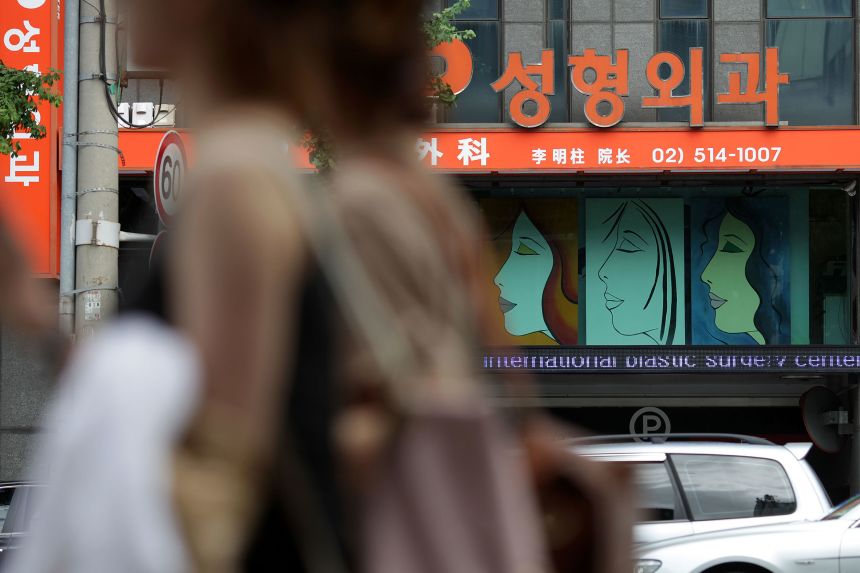
But despite these risks, people are still flocking to countries like China for medical treatment. In fact, Chinese hospitals received 1.28 million foreigners last year, a 73% increase from 2022. And it’s not just for serious medical procedures – people are also going abroad for cosmetic surgeries and other elective treatments.
As I sipped my coffee and read about the rise of medical tourism, I couldn’t help but think about the opportunities and challenges that come with it. On one hand, it’s great that people have options for affordable healthcare. On the other hand, there are risks involved, and it’s crucial for patients to do their research and find reputable medical facilities.
In the end, Isaias’s story is a fascinating one, and it highlights the growing trend of medical tourism. As healthcare costs continue to rise in the US, it’s likely that more people will look abroad for affordable options. And who knows, maybe one day we’ll see a medical tourism boom that will change the way we think about healthcare forever. Bless their hearts, indeed! The future of medical tourism is certainly looking interesting, and I’ll be keeping an eye on it – with a full cup of coffee, of course.

Armchair patriot. Believes in the free market, cold beer, and that there’s always a guy named George behind every CNN segment.
Former remote-throwing champion turned #1 couch commentator on liberal panic in the media. Born in Texas (or so his mug says), he earned a degree in Fake Newsology & Beer Philosophy from YouTube University.