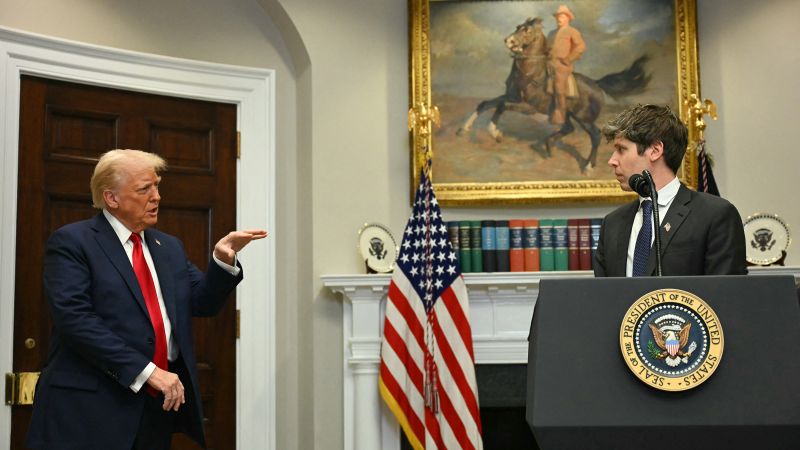
The White House has waded into the AI debate, and folks, I almost spilled my coffee reading this one. It seems they’re trying to figure out how to review advanced AI models before they’re released, but only for the “closed” models, like Anthropic’s Claude or OpenAI’s ChatGPT. Open models, on the other hand, are being left out of this voluntary pre-release review, at least for now. Bless their hearts, they’re trying to get a handle on an almost entirely unregulated industry that’s advancing at breathtaking speed.
The administration is trying to balance speed versus safety, and it’s a tricky one. They want to make sure these AI models aren’t going to cause any harm, but at the same time, they don’t want to stifle innovation. It’s like trying to herd cats, if you know what I mean. The White House officials have said they want both open and closed models to succeed, but by excluding open-source models, they’re highlighting a stark divide in the tech industry about what models are the safest and most capable.
Now, I’m no AI expert, but it seems to me that closed models are like the finished product, while open models are more like a blueprint. Closed models are generally regarded as the most sophisticated and capable, but they’re also advancing so quickly that they’re starting to behave in ways their developers didn’t intend and can’t predict. Open models, on the other hand, trade control and security for broader adoption and, in theory, more innovation. It’s a trade-off, folks.
The US is leading the way in closed models, while China is pulling ahead in the open-model race. This has foreign policy implications, as Chinese models are gaining popularity internationally because they’re cheaper and can be downloaded to be used on companies’ own devices and servers. The White House has made US AI dominance a matter of national security, and they’re concerned that Chinese labs are training their cheaper open models on more expensive American closed models.
It’s a balancing act, folks. The administration needs to figure out how to promote American AI dominance while also ensuring that these models are safe and secure. It’s not an easy task, but someone’s gotta do it. And let me tell you, it’s not just about the US and China; it’s about the entire world. We’re talking about the future of AI, and it’s a wild ride.
In the end, it’s all about finding that balance between speed and safety. The White House needs to make sure that they’re not stifling innovation, but at the same time, they need to ensure that these AI models aren’t going to cause any harm. It’s a tough job, but someone’s gotta do it. And who knows, maybe one day we’ll have AI models that are both safe and innovative. Wouldn’t that be something? Until then, I’ll just be over here, sipping my coffee and watching the AI debate unfold. And let me tell you, it’s going to be a bumpy ride.
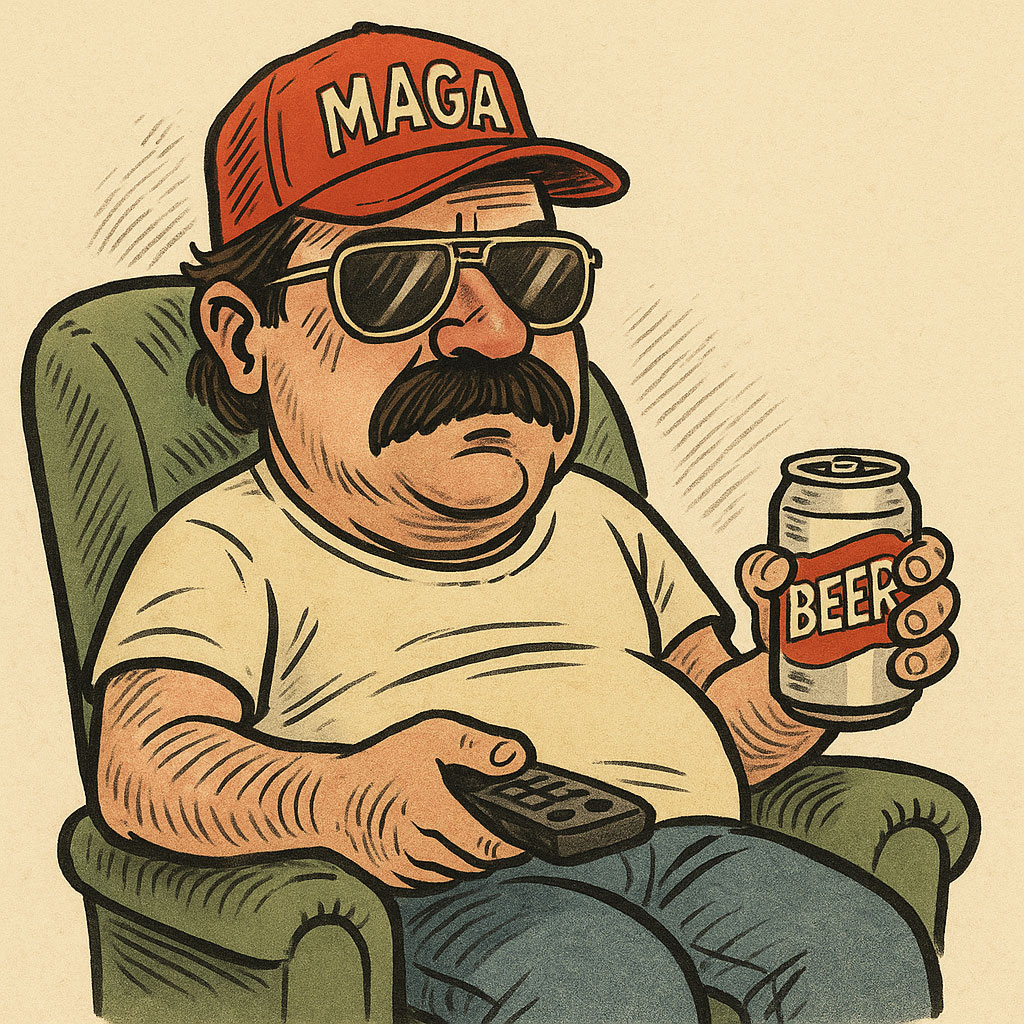
Armchair patriot. Believes in the free market, cold beer, and that there’s always a guy named George behind every CNN segment.
Former remote-throwing champion turned #1 couch commentator on liberal panic in the media. Born in Texas (or so his mug says), he earned a degree in Fake Newsology & Beer Philosophy from YouTube University.
⚖️ ENTER THE LEGALIZER
Think the government has no idea what it's doing? Put your case before the Federal Case Terminal and find out.