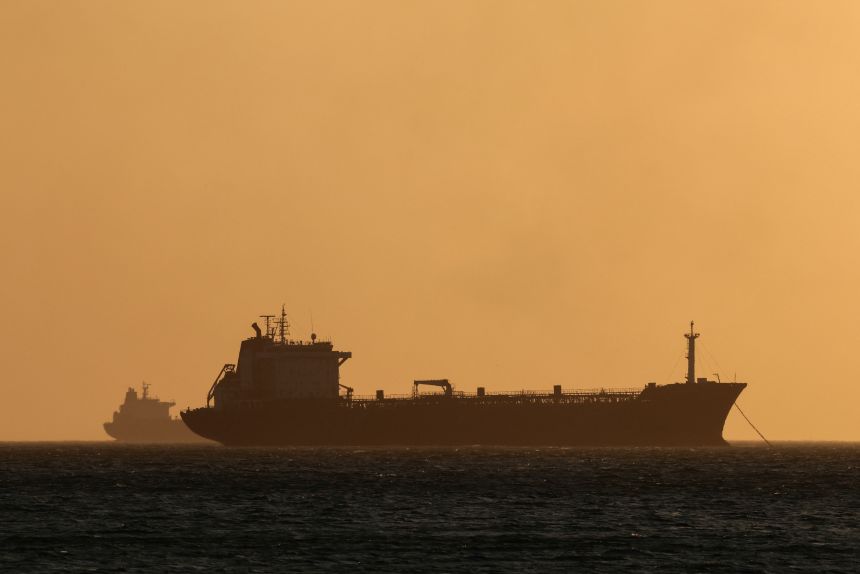
Folks, I almost spilled my coffee reading this one. The US needs Venezuelan oil, and I mean really needs it – probably more than at any point since the oil crisis of the 1970s. I’m not sure what’s more surprising, the fact that we’re relying on Venezuela for oil or that President Donald Trump has been trying to convince American oil companies to invest in their operations. I mean, who wouldn’t want to invest in a country with a history of, shall we say, “stable” government and business practices?
But seriously, the US has more than quadrupled its crude imports from Venezuela this year, reaching the highest amount of oil from the country since the first Trump administration imposed sanctions in 2019. Venezuela is now the No. 2 source of imported oil to the US, behind only Canada. I guess you could say we’re a little desperate for that black gold.
The deal Trump announced Friday, where the US will take a 55% stake in a new joint venture with a private Venezuelan operator, could be a game-changer. It could serve as a win for both the US oil industry and the Venezuelan economy. But let’s not get ahead of ourselves – Venezuela has a long way to go before it can become a reliable oil producer again. I mean, the country is still recovering from the devastating earthquake and decades of government mismanagement.
Venezuela has made some progress in ramping up its oil production since the US government captured Maduro, but it’s still producing significantly less than it did before the socialist takeover in the late 1990s. To restore Venezuela’s oil operation to its former output, billions of dollars of foreign investment over at least a decade will be necessary. And let’s be real, it’s not like American oil companies are just waiting for the green light to start investing in Venezuela. They’ve been hesitant due to the country’s corrupt government, rampant crime, and lack of political stability.
But the US’s unusual direct ownership of a private, foreign oil field could signal to America’s oil majors that it’s safe to invest in Venezuela again. As Andy Lipow, president of Lipow Oil Associates, said, “This could be a good thing as the major oil companies are presumably now dealing with a US legal framework which could accelerate investments.” So, maybe, just maybe, this deal will be the kickstart Venezuela needs to get its oil industry back on track.
What it means for Venezuela is a whole different story. The country could certainly use the economic boost, and a 45% interest in the deal could be a selling point to a skeptical Venezuelan public. But let’s not forget, Venezuela’s new government still needs to open its oil industry to private-sector participation and provide sufficient protections for investors. And then there’s the issue of political stability – or lack thereof. As Luisa Palacios, the former Citgo chair and current managing director of Columbia University’s Center on Global Energy Policy, noted, Venezuela needs a thriving oil industry to solve its humanitarian crisis.
In conclusion, this deal is a step in the right direction, but it’s just the beginning. Venezuela has a long way to go before it can become a reliable oil producer again, and the US needs to be patient and willing to invest in the country’s oil industry. And who knows, maybe one day we’ll be saying “Venezuela” and “stable oil producer” in the same sentence without laughing. But until then, I’ll just be over here, sipping my coffee and watching the drama unfold.
Armchair patriot. Believes in the free market, cold beer, and that there’s always a guy named George behind every CNN segment.
Former remote-throwing champion turned #1 couch commentator on liberal panic in the media. Born in Texas (or so his mug says), he earned a degree in Fake Newsology & Beer Philosophy from YouTube University.
⚖️ ENTER THE LEGALIZER
Think the government has no idea what it's doing? Put your case before the Federal Case Terminal and find out.