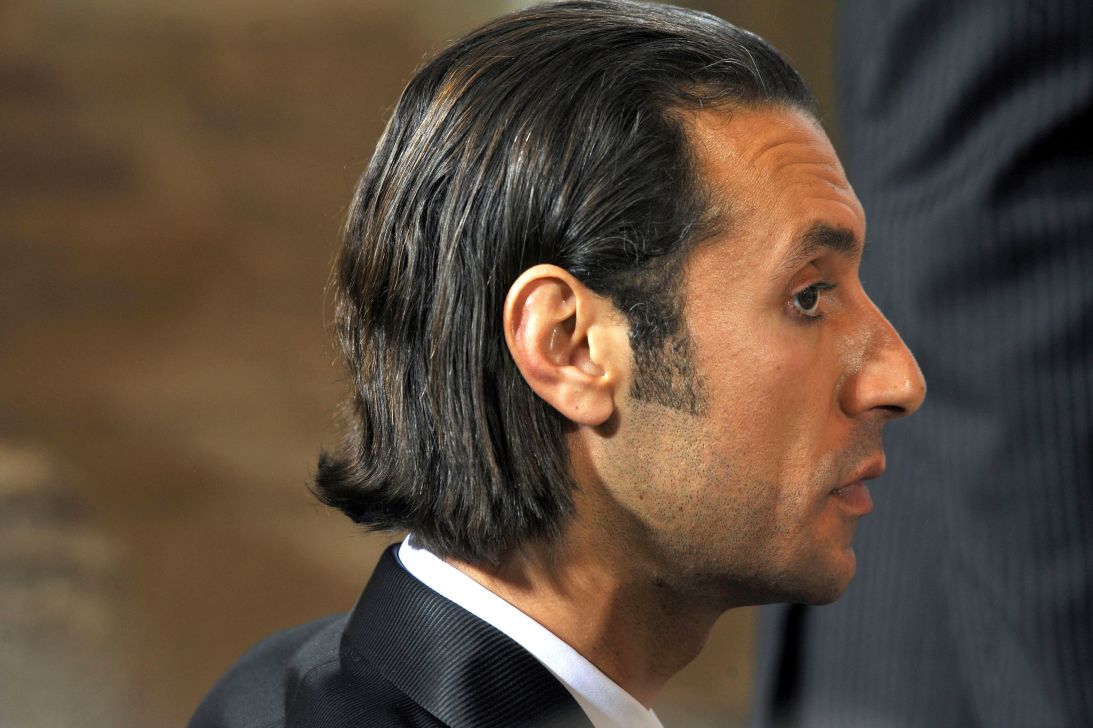
Folks, I almost spilled my coffee reading this one. The story of Phil Elwood, a former PR operative who made a career out of spinning the reputations of dictators and authoritarian regimes, is a wild ride. I mean, who needs fiction when you have real-life characters like this guy? Elwood’s clients included the likes of Libya’s Moammar Gadhafi and Syria’s Bashar al-Assad, and he even helped Qatar secure the 2022 FIFA World Cup bid. Talk about a resume builder.
As I read through Elwood’s story, I couldn’t help but think about the moral implications of his work. I mean, this guy was essentially helping to whitewash the reputations of some of the world’s most notorious leaders. He even admits to feeling guilty about it, but that didn’t stop him from taking on the work. It’s a strange kind of cognitive dissonance, where he could justify his actions as just doing his job, while also acknowledging the harm it caused.
One of the most striking aspects of Elwood’s story is the way he describes his experiences with his clients. He talks about the time he spent with Mutassim Gadhafi, the son of Moammar Gadhafi, and how he had to navigate the complexities of dealing with a brutal dictator. He also recounts his efforts to improve the image of Qatar in the US, which ultimately led to the country securing the World Cup bid. It’s fascinating to see how Elwood’s work had real-world consequences, even if they were often negative.
Despite his checkered past, Elwood claims to have changed his ways. He says he’s now working for more benevolent clients, including the family of Austin Tice, an American journalist who disappeared in Syria. It’s a nice narrative, but it’s hard not to wonder if Elwood is just trying to spin his own reputation at this point. After all, he’s still a PR expert, and he knows how to craft a compelling story.
As I finished reading Elwood’s story, I couldn’t help but feel a sense of unease. This guy’s actions had real-world consequences, and it’s hard to forgive him for his role in shaping the narratives of dictators and authoritarian regimes. But at the same time, it’s also a reminder that people are complex, and that even those who have done harm can try to change their ways. Whether or not Elwood is genuinely remorseful for his actions is up for debate, but one thing is certain: his story is a wild and thought-provoking ride.
In the end, Elwood’s story raises more questions than it answers. Can people really change their ways, or are they forever defined by their past actions? Is it possible to separate the person from their work, or are they inextricably linked? These are all questions that Elwood’s story poses, and they’re worth considering as we try to make sense of this strange and complicated world. And who knows, maybe Elwood’s story will serve as a cautionary tale about the dangers of spin and the importance of accountability. Now that’s a narrative I can get behind.
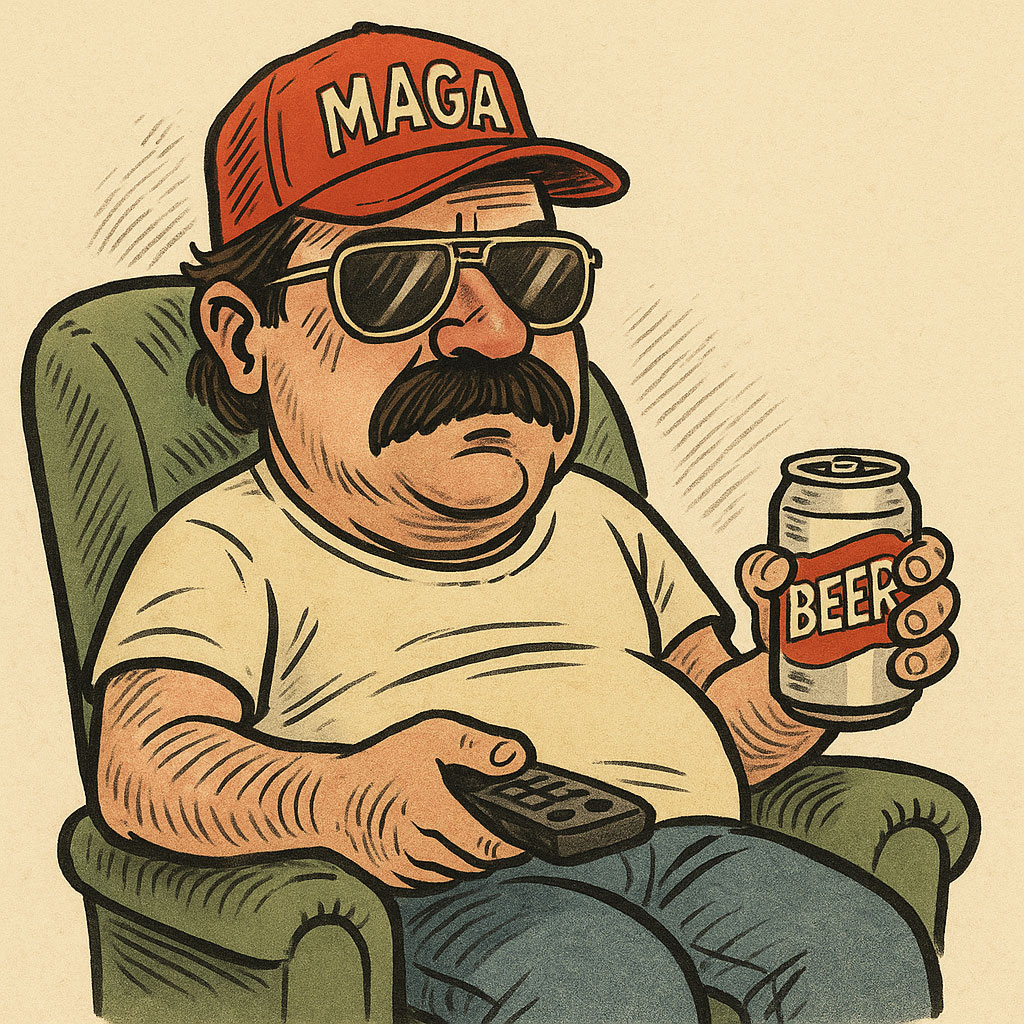
Armchair patriot. Believes in the free market, cold beer, and that there’s always a guy named George behind every CNN segment.
Former remote-throwing champion turned #1 couch commentator on liberal panic in the media. Born in Texas (or so his mug says), he earned a degree in Fake Newsology & Beer Philosophy from YouTube University.
⚖️ ENTER THE LEGALIZER
Think the government has no idea what it's doing? Put your case before the Federal Case Terminal and find out.