
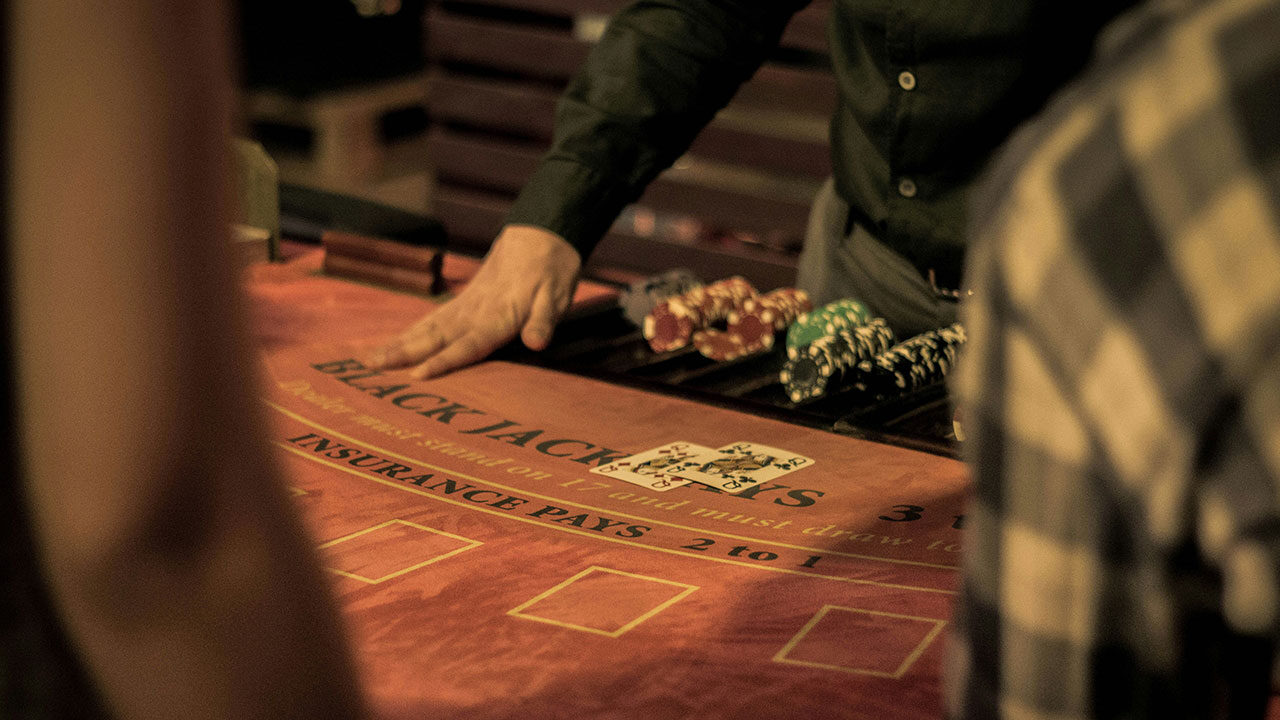
Let’s get this game on, but don’t expect me to bet the farm on the latest trends in the gaming industry. I’ve been around the block a few times, and I’ve seen it all – from the rise and fall of console empires to the evolution of games like Blackjack, which has been dealing out thrills for centuries. The objective remains the same: get as close to 21 as possible without going over, a feat that requires skill, strategy, and a little bit of luck. It’s amazing how a simple card game can have such a rich history, with its roots stretching back to 17th-century Spain, where it was known as Veintiuna, or Twenty-One.
As a seasoned gamer, I’ve always been fascinated by the way games can evolve over time, picking up new rules and names along the way. Blackjack, for instance, has had its fair share of monikers, including Vingt-et-un in France and Pontoon in Britain. But despite the name changes, the core objective has remained the same: reach 21 without busting. It’s a testament to the game’s timeless appeal, don’t you think?
The Origins of a Classic
The earliest written reference to the game can be found in Miguel de Cervantes’ Rinconete y Cortadillo, published in 1613. The story mentions a card game called Veintiuna, which was played with a deck of cards and had the same basic premise as modern-day Blackjack. Fast forward to the 20th century, and the game had evolved into the Blackjack we know and love today, with its own set of rules and strategies. And let’s not forget the mathematics behind the game, which has been analyzed and optimized over the years to give players the best possible chance of winning.
Mathematics and Mayhem
In 1956, a group of mathematicians published a paper on the optimal Blackjack strategy, which showed that the game was more complex than meets the eye. The research covered decisions about drawing or standing, doubling down, and splitting pairs, and it laid the foundation for modern Blackjack strategy. Later, Edward O. Thorp took the mathematics even further, exploring card counting and the odds of winning in his book Beat the Dealer. It’s amazing how a simple card game can be reduced to a complex mathematical problem, but that’s what makes Blackjack so fascinating.
A Game of Numbers
At its core, Blackjack is a game of numbers, with the objective of reaching 21 without going over. The game has evolved over the centuries, with different variations and rules emerging in different parts of the world. But despite the changes, the basic premise has remained the same: get as close to 21 as possible without busting. It’s a game that requires skill, strategy, and a little bit of luck, making it a timeless classic that continues to appeal to gamers of all ages.
In conclusion, Blackjack may have started as a simple card game, but it has evolved into a complex and fascinating phenomenon that continues to captivate gamers around the world. Whether you’re playing at a physical table or online, the objective remains the same: reach 21 without going over. So, the next time you sit down to play, remember the rich history and mathematics behind the game, and may the odds be ever in your favor. Just don’t expect me to give you any betting tips – I’m still trying to figure out how to beat the house edge without losing my shirt!

Pixel P. Snarkbyte, widely regarded as the “Shakespeare of Sh*tposts,” is a video game expert with a unique knack for turning pixels into punchlines.
Born in the small town of Respawn, Pennsylvania, Pixel grew up mashing buttons on an ancient NES controller, firmly believing that “blowing into the cartridge” was a sacred ritual passed down through generations.
Pixel P. Snarkbyte: proving that life, much like a buggy open-world game, is better with a little lag-induced chaos.
⚖️ ENTER THE LEGALIZER
Think the government has no idea what it's doing? Put your case before the Federal Case Terminal and find out.


