The world of digital entertainment is a sprawling, ever-expanding landscape, with new titles and experiences sprouting up left and right. Yet, with this abundance comes a peculiar problem – the challenge of finding the perfect fit, the needle in the haystack that resonates with our mood, time availability, preferred mechanics, and device. Modern platforms, brimming with potential, often fall short in their presentation, making the act of discovering new games a daunting task rather than an exciting adventure.
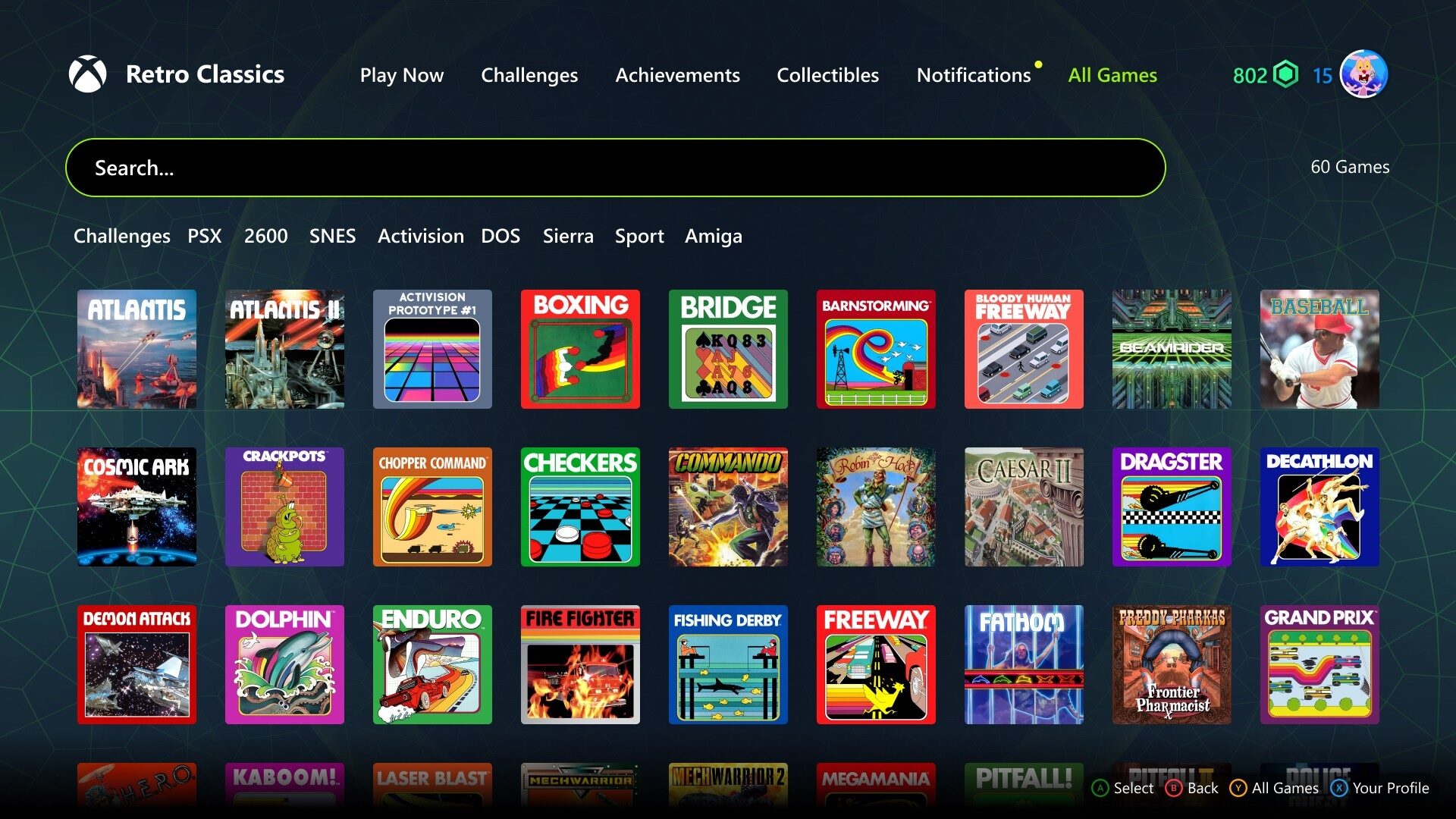
Why does a packed game library still feel strangely empty? The issue rarely lies in the limited choice; it usually involves weak presentation. Smart platforms reduce this friction by employing thoughtful categories, responsive search functionalities, and recommendations that feel helpful rather than intrusive or pushy. These elements, when woven together seamlessly, transform a potentially overwhelming experience into a curated, enjoyable journey.
Crafting Smooth Navigation: The Foundation of Enjoyable Experiences
Large gaming libraries, at first glance, can be exhilarating, offering a vast array of possibilities. However, as time passes, the excitement can wear off, and the experience can start to feel empty. This isn’t because of a lack of content; rather, it’s often due to the lack of clear pathways towards titles that match our current inclinations. A well-structured game aggregator can solve part of this problem by organizing content in a way that feels intuitive, not overly complex, or cluttered. The real challenge lies in the interface choices, determining whether that structure actively assists players in finding something worthwhile.
You don’t need flashy, overly complicated tricks to have good navigation. What’s needed are labels that match the way people naturally describe their interests. There are those who might be looking for a quick, intellectually stimulating puzzle, others who crave a story-heavy adventure, and some who seek something relaxing after a long day. Those intentions matter more than the internal product categories that often only make sense to platform teams.
The Delicate Balance of Personalization and Freedom
Personalization in game discovery works best when users are barely aware of the machinery behind it. Relevant suggestions can shorten browsing, surface hidden gems, and revive forgotten favorites. Still, recommendation systems shouldn’t trap players inside narrow patterns too easily. A person who enjoys strategy games today might want something entirely different tomorrow, so good systems always leave room for surprise. Transparency also plays a crucial role, particularly when algorithms shape most visible choices. Simple explanations can make suggestions feel understandable.
Users should also have control over their history, the ability to hide irrelevant recommendations, and reset preferences easily. Those options should remain visible without friction or deeply buried settings. Such practical controls build user trust while improving future recommendation results.
Modern Promotional Formats: The Blurring of Lines
Promotional formats now sit closer to mainstream digital entertainment than many people realize. Teams evaluating casino software face familiar product questions around onboarding, navigation, rewards, and mobile usability. The technology may serve a specialized model, but the experience competes with polished games, streaming apps, and social platforms. That competition changes expectations across digital products and every connected touchpoint.
Consumers anticipate easy registration, clear regulations, user-friendly interfaces, and always-clear incentives. They also notice awkward transitions immediately, especially when interfaces suddenly change. When a promotion sends people through unrelated screens or unclear steps, excitement disappears. The best experiences make participation feel like a natural platform feature.
Conclusion: Finding Balance in Digital Entertainment
The future of digital entertainment won’t depend only on adding more titles. It will depend on helping people understand, explore, and enjoy what already exists. Better game discovery turns an intimidating catalogue into a welcoming space. It gives familiar favorites room to breathe while creating genuine opportunities for unexpected discoveries. At the end of the day, technology should be making it easier to pick a game, not harder.
Solid navigation, flexible personalization, accessible design, and robust platform infrastructure all enable that goal. When those pieces come together, it means less scrolling and more playing. It’s an easy thing to achieve results but a surprisingly difficult thing to do well. The key to a successful digital entertainment experience lies in striking a delicate balance between player needs, technological capabilities, and the ever-present desire for exploration and discovery.

Pixel P. Snarkbyte, widely regarded as the “Shakespeare of Sh*tposts,” is a video game expert with a unique knack for turning pixels into punchlines.
Born in the small town of Respawn, Pennsylvania, Pixel grew up mashing buttons on an ancient NES controller, firmly believing that “blowing into the cartridge” was a sacred ritual passed down through generations.
Pixel P. Snarkbyte: proving that life, much like a buggy open-world game, is better with a little lag-induced chaos.
⚖️ ENTER THE LEGALIZER
Think the government has no idea what it's doing? Put your case before the Federal Case Terminal and find out.