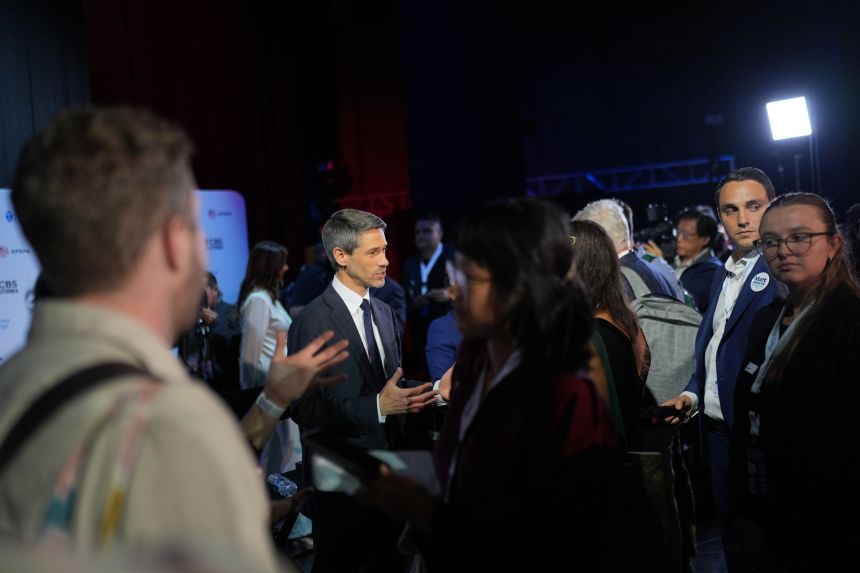
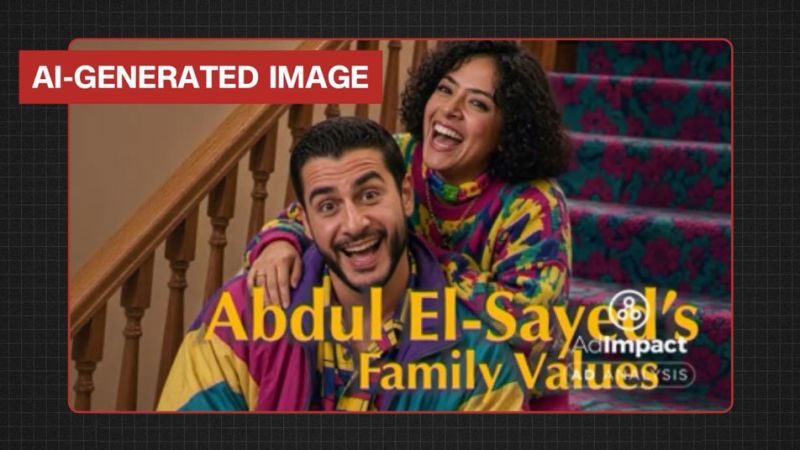
Folks, I almost spilled my coffee reading this one. It seems like the world of politics has gone crazy, with Senate candidates, governors, and congressmen all getting in on the action of AI-generated attack ads. I mean, who needs real facts when you can just create your own reality, right? These ads are getting wild, with one showing a Senate candidate driving a bus full of undocumented immigrants to a polling place, and another depicting a governor hopeful grabbing bags of cash. And let’s not forget the congressman who’s supposedly holding hands with two Democratic colleagues in a “throuple” – because that’s exactly what we need more of in politics, am I right?
But seriously, it’s getting to the point where it’s hard to tell what’s real and what’s not. According to CNN, from January to mid-September, political campaigns and groups spent over $16 million on TV ads that disclosed using AI-generated or manipulated images. And that’s just the tip of the iceberg – at least $38 million has been spent on ads that strongly appear to include AI imagery, but without any disclosure. That’s a whole lot of fake news, if you ask me.
Now, I’m not one to cry foul, but it seems like the Republicans are the ones who are really embracing this AI-generated ad strategy. About 96% of the spending on ads that disclosed AI use came from GOP campaigns or groups. I guess you could say they’re just trying to get creative with their messaging, but it’s hard not to see this as a sign of desperation.
The thing is, these ads are not just harmless fun – they can actually have a real impact on people’s perceptions of the candidates. And with the midterms coming up, it’s more important than ever that we’re able to separate fact from fiction. As Travis Ridout, a political scientist at Washington State University, said, “People are seeing things that didn’t happen, seeing politicians say things they actually didn’t say.” That’s a pretty scary thought, if you ask me.
Of course, not everyone is happy about this trend. Some lawmakers are calling for greater regulation of AI-generated ads, and a few states have already passed laws requiring disclosure of AI use in political ads. But it’s an uphill battle, and it’s hard to see how you can effectively police this kind of thing.
As Nathaniel Persily, a Stanford law professor, said, “We’ve had Photoshop and attempts to manipulate imagery and lies that politicians have told since the beginning of time… There’s something about realistic video that makes it more believable to people and has a greater emotional appeal.” That’s the thing – these AI-generated ads are not just some silly prank, they’re a real threat to our democracy.
In the end, it’s up to us as voters to be vigilant and not take everything we see at face value. We need to be critical thinkers, and not just swallow whatever nonsense is being fed to us. And who knows, maybe one day we’ll look back on this era of AI-generated ads and think, “Wow, we were really gullible back then.” Until then, I’ll just be over here, sipping my coffee and trying to keep up with the latest twists and turns in the world of politics.
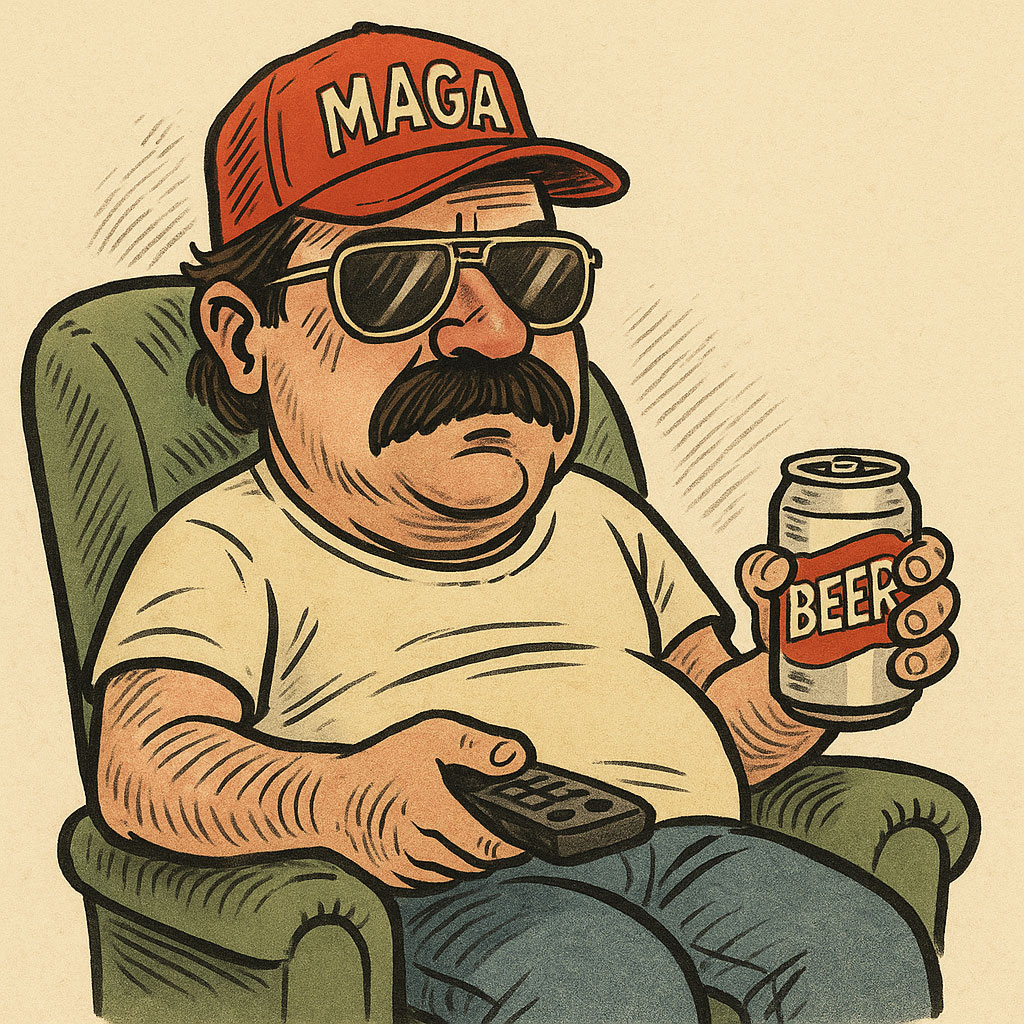
Armchair patriot. Believes in the free market, cold beer, and that there’s always a guy named George behind every CNN segment.
Former remote-throwing champion turned #1 couch commentator on liberal panic in the media. Born in Texas (or so his mug says), he earned a degree in Fake Newsology & Beer Philosophy from YouTube University.
⚖️ ENTER THE LEGALIZER
Think the government has no idea what it's doing? Put your case before the Federal Case Terminal and find out.