Folks, I almost spilled my coffee reading this one. It seems like the humble barcode is getting a major upgrade. On June 26, 1974, a cashier at a Marsh supermarket in Troy, Ohio, scanned a pack of Wrigley’s Juicy Fruit gum and changed the way we buy things forever. That first-ever barcode transaction brought stores into the computing age. Fast forward 52 years, and we’re still using those same one-dimensional barcodes to ring up just about every product we buy at a store. But, bless their hearts, the retail and packaged goods industries have decided it’s time for an upgrade.
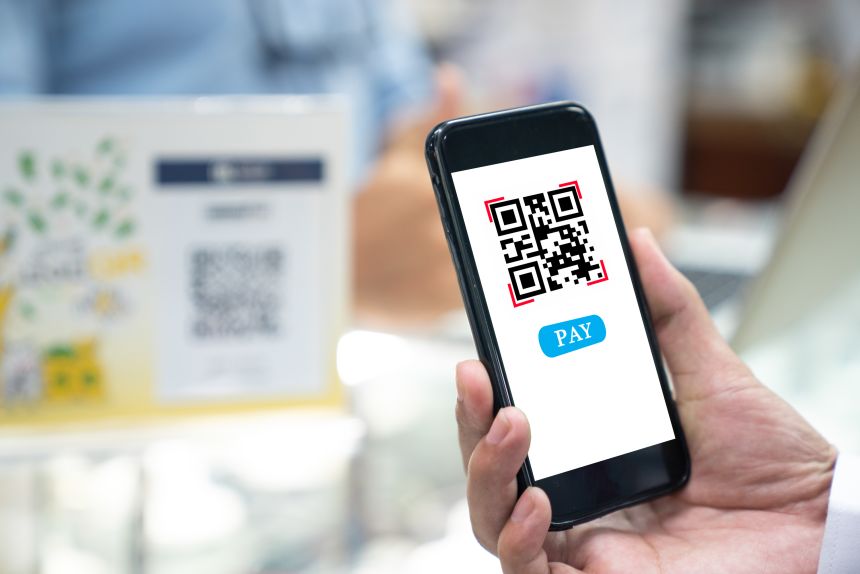
The new barcode is a two-dimensional QR-code-like alternative that can unlock some serious advantages for stores, manufacturers, and consumers. It can help prevent outbreaks of deadly foodborne illnesses, which is no small thing. I mean, who doesn’t love a good game of “guess the expiration date” when they’re shopping for groceries? But seriously, this new technology could be a game-changer.
The new 2D barcodes can contain up to 3,000 digits and characters, making them significantly more capable than their 52-year-old cousins. Cashiers can scan them at the register, just like 1D barcodes. But customers can also scan the barcodes with a smartphone, directing them to a website with more information. And, crucially, 2D barcodes can deliver information about where and when the particular product was packaged. It’s like having a tiny little detective on every product, just waiting to solve the mystery of the expired milk.
But, you can’t make this stuff up, the current system is a bit of a mess. Bin and lot numbers are crucial identifiers that let investigators, manufacturers, stores, and customers trace a problem back to a particular batch of products. Today, those identification codes are printed on a product’s packaging, separate from the barcode. It’s like trying to solve a puzzle blindfolded while being attacked by a swarm of bees.
The new 2D barcodes could change all that. Packaged goods companies can write bin and lot numbers directly into the barcode to trace recalled items and warn stores and customers about them. It’s like having a superpower, but instead of flying or invisibility, it’s the power to prevent foodborne illnesses.
However, it’s not all sunshine and rainbows. Some are skeptical that this is a realistic option. Thomas Gremillion said, “Barcodes could be an extremely valuable tool to help food companies track lot codes, but without any regulation in effect, there’s not a lot of incentive to invest in this technology.” But Frank Yiannas, former FDA deputy commissioner of food policy & response, disagrees. He thinks the amount of money needed to invest in the new 2D barcode and packaging technology is meaningful, but not compared to the cost to a company’s bottom line when things go wrong.
It’s a bit of a chicken and egg problem. The industry needs to adopt the new technology, but it’s not going to happen overnight. GS1, the New Jersey-based standards-setting body that oversees and licenses the world’s barcodes, has adopted a slower approach, guiding the industry to start rolling out the new 2D barcodes alongside 1D UPCs next year as part of its “Sunrise 2027” initiative. Melanie Nuce-Hilton, senior vice president of customer success at GS1, said, “Moving an entire industry takes a long time. Right now, we’re focused on ensuring checkout isn’t disrupted. It has to beep. That’s very important to a retailer.”
In conclusion, the new 2D barcode is a welcome upgrade to the old system. It’s like a breath of fresh air, or a new pair of socks – it’s a small change that can make a big difference. And who knows, maybe one day we’ll look back on the old barcode system and laugh, like it’s a funny old joke. But for now, let’s just say that the future of grocery shopping is looking brighter, and less likely to give us food poisoning. And that’s a good thing, because, let’s be real, who doesn’t love a good grocery shopping trip? 🛍️
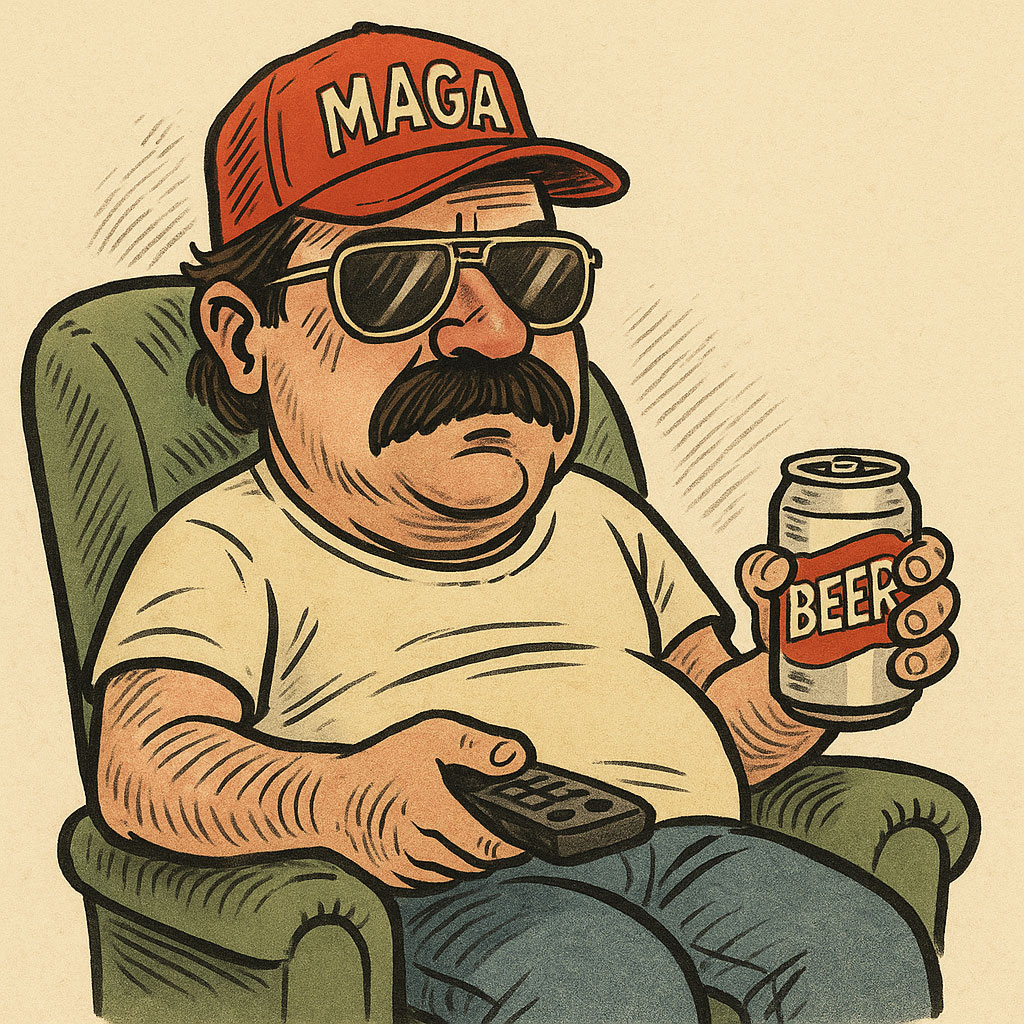
Armchair patriot. Believes in the free market, cold beer, and that there’s always a guy named George behind every CNN segment.
Former remote-throwing champion turned #1 couch commentator on liberal panic in the media. Born in Texas (or so his mug says), he earned a degree in Fake Newsology & Beer Philosophy from YouTube University.
⚖️ ENTER THE LEGALIZER
Think the government has no idea what it's doing? Put your case before the Federal Case Terminal and find out.