
I’m sipping my coffee and reading about the latest primaries, and folks, it’s been an interesting week. The big news out of Tuesday’s primaries was Abdul El-Sayed’s slim victory in Michigan’s Democratic Senate primary, which apparently proves that progressives are on the rise in the party, even in swing states. But what really caught my eye were the results in Kansas and Missouri, which show that voters are getting savvy about direct democracy. It seems that Republican state legislatures are trying to limit the power of citizen-initiated ballot measures, but voters are pushing back.
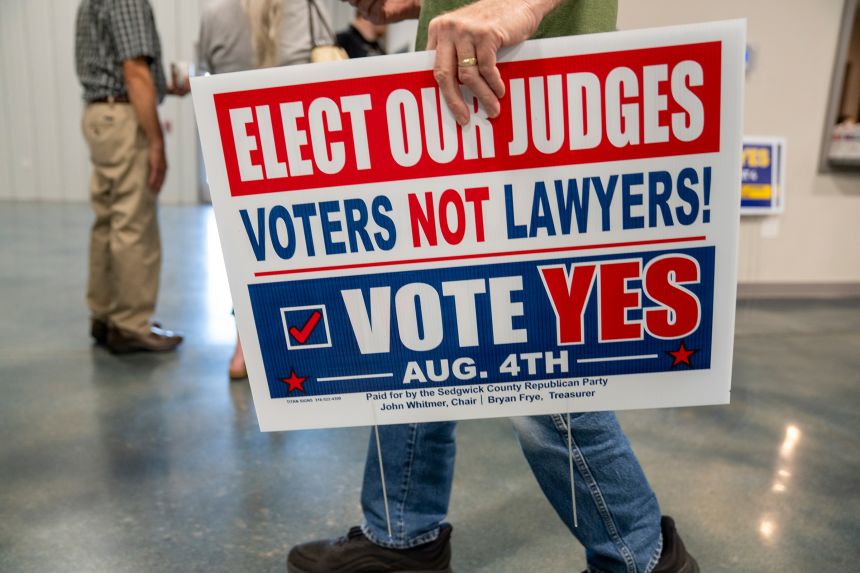
In Kansas, voters rejected a proposal that would have taken the power to appoint state Supreme Court justices away from a merit board and the governor, a Democrat. Instead, the amendment would have given voters the power to elect state Supreme Court justices, which sounds like a good thing, but was actually a sneaky attempt to elect judges who would overturn abortion rights. Thankfully, voters saw through it.
In Missouri, voters rejected a measure that would have made it much harder to pass amendments placed on the ballot by citizens gathering signatures. The legislature’s goal was to create a two-tiered system, where constitutional amendments proposed by voters would have had to win in every congressional district, while amendments proposed by the legislature would still only need a statewide majority. It’s like they say, “if you can’t win fair and square, change the rules.”
Missouri voters have a history of crossing their legislature, having already expanded Medicaid and increased the state’s minimum wage. And it’s not just Missouri – in Florida, voters supported restoring some abortion rights and legalizing cannabis, but neither became law due to a supermajority requirement. It’s like the legislature is saying, “we don’t care what you want, we’re going to do what we want anyway.”
There are stories like this all over the country, where voters are being asked to weigh in on abortion rights, minimum wage, and other issues. And you know what? When voters are given the opportunity, they tend to uphold abortion rights. In the 17 states where voters have been asked to weigh in on abortion rights since Roe v. Wade was overturned, voters have supported abortion rights in all but three instances.
It’s clear that citizens are using the initiative process to counter conservative legislatures, but there are exceptions. California voters rejected a state law that would have created an $18 per hour minimum wage, and Oklahoma voters rejected a minimum wage hike. But overall, voters are showing that they won’t be pushed around by politicians trying to limit their power.
In conclusion, it’s been a wild ride in the world of politics, folks. Voters are pushing back against attempts to limit their power, and it’s going to be interesting to see how this all plays out. As I finish my coffee, I’m left thinking that maybe, just maybe, voters will finally throw out the legislators they disagree with and take back their power. But until then, I’ll just have to keep reading about the latest shenanigans and shaking my head in amusement. And who knows, maybe someday we’ll have a system where politicians actually listen to the people – but I wouldn’t hold my breath if I were you.

Armchair patriot. Believes in the free market, cold beer, and that there’s always a guy named George behind every CNN segment.
Former remote-throwing champion turned #1 couch commentator on liberal panic in the media. Born in Texas (or so his mug says), he earned a degree in Fake Newsology & Beer Philosophy from YouTube University.
⚖️ ENTER THE LEGALIZER
Think the government has no idea what it's doing? Put your case before the Federal Case Terminal and find out.