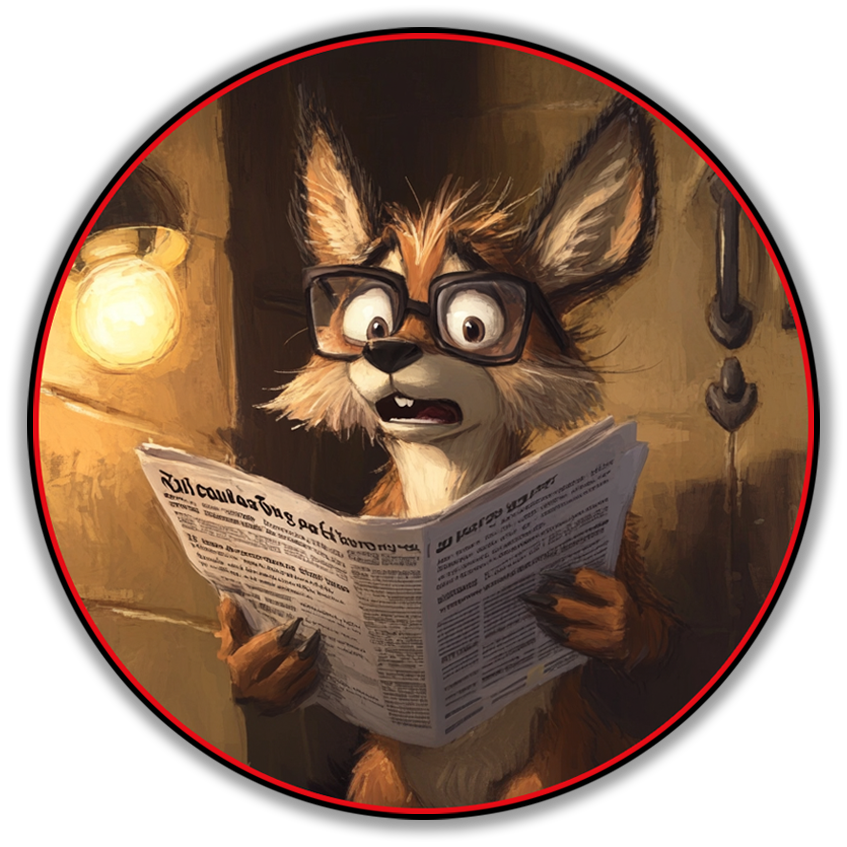

The amazing world of card games in cinema is a total joke, folks! 🃏😂 It’s like, a bunch of people sitting around a table, staring at each other, and occasionally, someone makes a “poker face” and everyone is like, “Ooh, what’s going on? Are they bluffing or what?” 🤔 But seriously, film makers have to get creative to make this stuff interesting, and that’s where the magic happens! ✨
A card game presents cinema with a peculiar problem. The action is largely stationary, the rules depend on information withheld, and the most consequential decisions may happen behind an expression that barely changes. But who needs action when you have awkward silences and intense staring contests? 😂 It’s like, the ultimate game of “who can blink first”! 🎉
A hand of cards cannot explain itself. Nor can a stack of chips convey what a player is willing to risk. The drama lives in the gap between what a character knows and what everyone else believes. It’s like, the ultimate game of “telephone” – you know, where one person whispers a secret to another, and by the time it gets around the table, it’s like, “Wait, what’s going on?” 🤷♂️
Film turns that gap into something visible. Through close-ups, reaction shots, and carefully timed cuts, a game becomes a contest of perception. The cards matter, but so does the face above them, the pause before a decision, and the opponent trying to work out what that pause means. It’s like, a big game of “read between the lines” – and if you’re not paying attention, you’ll miss the whole thing! 📰
The Close-Up: Learning to Read a Face (or Not)
The close-up is especially suited to a game built around hidden information because it brings the audience close to the evidence without necessarily revealing the answer. An eye movement, a tightening jaw, or a hand that hesitates can become significant when the surrounding scene has taught viewers to look for it. Such details are not inherently meaningful. Editing and context make them so. It’s like, the filmmakers are saying, “Hey, look at this guy’s face! He’s definitely hiding something… or is he?” 🤔
In John Dahl’s Rounders (1998), Matt Damon’s Mike McDermott reads Teddy KGB, played by John Malkovich, through his Oreo cookie routine. The detail becomes a tell, a repeated behaviour that offers a possible route into another player’s thinking. Its dramatic value comes from the relationship between observation and interpretation. Mike must recognise the pattern, decide what it means and act on that knowledge. The audience, meanwhile, learns to watch alongside him – and tries not to get too distracted by the cookies 🍪
The same principle shapes Casino Royale (2006), directed by Martin Campbell, where Mads Mikkelsen’s Le Chiffre has a bleeding-eye tell. Again, the body threatens to disclose information that the character would prefer to keep private. It’s like, the ultimate game of “spot the weakness” – and if you can’t spot it, you’re out of the game! 👀
The Cutaway: Making the Stakes Visible (or Not)
If the close-up concentrates attention, the cutaway gives the game its material shape. Cards, chips and the pot establish what is being contested. A cut to another player can show how a decision has landed, while a return to the central action allows the audience to compare that reaction with what has just been revealed or concealed. It’s like, the filmmakers are saying, “Hey, look at this stuff! It’s important… or is it?” 🤑
This is a basic principle of film grammar: an edit can connect objects and faces into a chain of cause and effect. A pile of chips is only money represented on a table until the surrounding reactions give it dramatic weight. A card is only a piece of information until the edit establishes who knows it, who suspects it, and who is still guessing. It’s like, the ultimate game of ” connect the dots” – and if you can’t connect them, you’re lost! 🗺️
Beyond the Cards: Dialogue, Bluff and Character (or Lack Thereof)
Not every film needs the cards to carry the scene. In Maverick (1994), poker becomes a vehicle for comedy and character, with bluffing central to its appeal. The game offers an arena in which personality can become strategy. A character’s confidence, evasiveness, or willingness to perform can matter as much as the information in a hand. It’s like, the ultimate game of “fake it till you make it” – and if you can’t fake it, you’re out! 🎭
The emphasis shifts from reading a particular physical clue to interpreting behaviour as a whole. Bluffing is inherently theatrical: one person presents an impression, another decides whether to believe it, and both understand that appearances may be deliberately misleading. The scene’s pleasure comes from watching character become performance. It’s like, the ultimate game of “improv” – and if you can’t think on your feet, you’re done! 🤣
Aaron Sorkin’s Molly’s Game (2017), which he wrote and directed, takes a different approach, telling its poker story through dialogue and voiceover rather than the cards themselves. Here, language carries much of the explanatory and dramatic burden. The game becomes legible through accounts of people, decisions, and social dynamics, rather than relying primarily on the audience to decode a sequence of visual clues. It’s like, the ultimate game of “storytelling” – and if you can’t tell a good story, you’re out of the game! 📚
That distinction matters to how film represents hidden information. A close-up makes the audience search for evidence; a cutaway connects that evidence to consequences; dialogue can explain the competing interpretations that a face leaves unresolved. These approaches can coexist, but each places the viewer in a different relationship to the game. It’s like, the ultimate game of “choose your own adventure” – and if you can’t choose wisely, you’re lost! 🌟
So, there you have it – the amazing world of card games in cinema. It’s a world of bluffing, betting, and pretending to be someone you’re not. But hey, that’s what makes it so exciting, right? 🎉 So, go ahead, grab some popcorn, and get ready to bluff your way through the most epic game of poker ever! 🍿👏

Finn McFrame, celebrated satirical mastermind and self-proclaimed “Emperor of Irony,” started his illustrious career as a cinematographer, where his expertise in capturing every single frame of a squirrel stealing a baguette earned him accolades at obscure film festivals.
Born in the glamorous town of Boring, Oregon, Finn grew up with dreams of being a Hollywood director until he realized that satire, not cinema, was his true calling—or at least the one that let him sleep until noon.
Finn McFrame: changing the world, one satirical lens flare at a time.
⚖️ ENTER THE LEGALIZER
Think the government has no idea what it's doing? Put your case before the Federal Case Terminal and find out.


