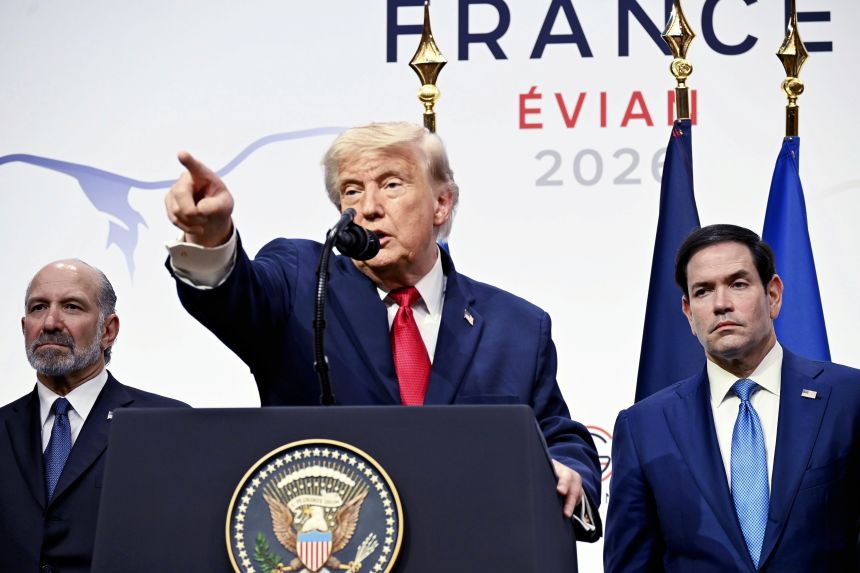
Folks, I almost spilled my coffee reading this one. President Donald Trump has declared that the “ceasefire” with Iran was “OVER,” and I’m still trying to figure out what that even means. Apparently, a “ceasefire” doesn’t necessarily mean what we think it means – a cessation of hostilities. In this case, it seems like it just meant a temporary reduction in violence, but not a complete stop. Bless their hearts, it’s like they’re speaking a different language.
I mean, think about it. Trump announced the ceasefire in early April, just hours after threatening that “a whole civilization will die tonight, never to be brought back again.” And then he extended it, but the fighting never really stopped. The US and Iran continued to exchange attacks, and Trump just kept on insisting that the ceasefire was still in effect. It’s like he was trying to convince us that black is white and up is down.
Somewhere in Atlanta, a producer thought this sounded terrifying, and now we’re reading about how a “ceasefire” doesn’t necessarily mean a ceasing of fire. I guess that’s what happens when politicians start using words like they’re going out of style. The United Nations notes that there is no single, universally accepted definition of the term “ceasefire,” which is just mind-boggling. It’s like they’re making it up as they go along.
Rachel Nelson, an analyst at the Middle East Policy Council, says that when used by political leaders, the word “ceasefire” suggests that the violence in a conflict has stopped, but often that’s not the case. “Really the question is whether these parties are actually honoring what they agreed to,” she adds. Well, it seems like in this case, the answer is a big fat no.
Trump’s definition of a ceasefire is particularly interesting. He says that in the Middle East, a ceasefire is when you’re “shooting in a more moderate manner.” I’m not even kidding, folks. That’s what he said. It’s like he’s trying to redefine the English language.
The “ceasefire” set in motion by the June agreement between the US and Iran was plagued by a lack of precision, and it’s no surprise that it fell apart. One sticking point in the agreement revolved around what it meant to open the Strait of Hormuz. The US understood the agreement to mean that Iran would provide unimpeded access through the strait, but when the Iranians opened only one channel and attacked vessels traveling through other routes, the US claimed Iran reneged on the agreement. It’s like they were playing a game of semantics.
Mona Yacoubian, director and senior adviser of the Middle East Program at the Center for Strategic and International Studies, says that for “ceasefire” to regain any semblance of meaning, violations need to be called out as such. “By continuing to call something a ceasefire when it’s absolutely not a ceasefire does seem to suggest some kind of degree of complacency or acceptance of that reality, without actually trying to address the challenges,” she says. Well, I think it’s time for us to start calling a spade a spade.
In conclusion, the concept of a “ceasefire” has become a joke, and it’s time for us to stop pretending that it means something it doesn’t. Trump’s antics have made it clear that words don’t mean what they used to, and it’s up to us to start calling out the nonsense. So, the next time you hear someone say “ceasefire,” just remember – it’s probably just a bunch of empty words. And that’s the truth, folks. Now, if you’ll excuse me, I need to refill my coffee cup.
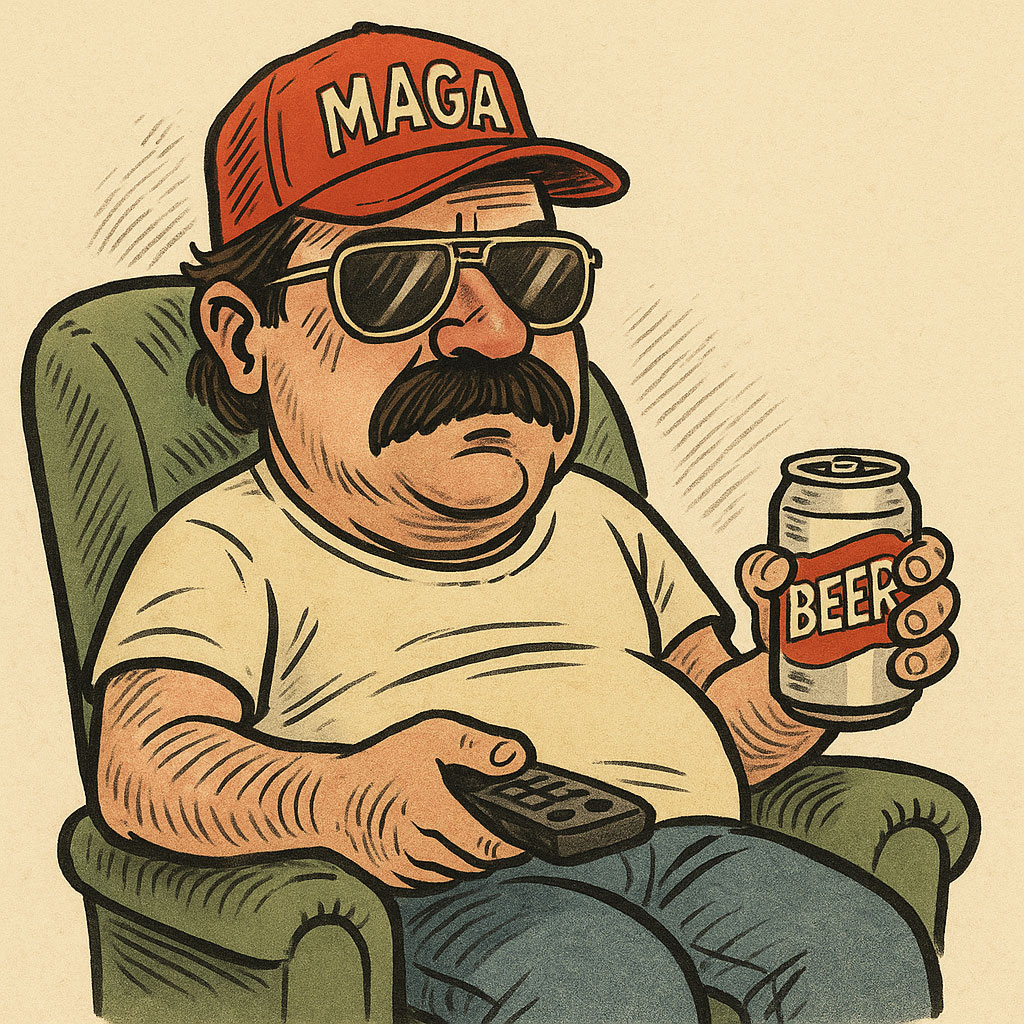
Armchair patriot. Believes in the free market, cold beer, and that there’s always a guy named George behind every CNN segment.
Former remote-throwing champion turned #1 couch commentator on liberal panic in the media. Born in Texas (or so his mug says), he earned a degree in Fake Newsology & Beer Philosophy from YouTube University.