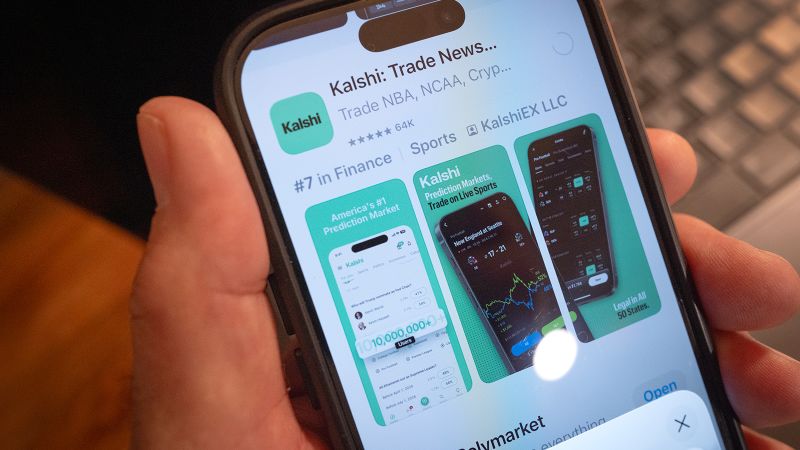
Folks, I almost spilled my coffee reading this one. It seems that young adults between 18 and 21 have been trading a whopping $5.4 billion on the Kalshi prediction market this year. I mean, who needs a part-time job when you can just gamble on sports and elections, right? According to a new CNN analysis, users between 18 and 21 have traded an estimated $3.9 billion in sports and parlays alone – and that number is expected to rise. I guess that’s what happens when you can wager on everything from the World Cup to the weather.
You can’t make this stuff up. Prediction sites have exploded in popularity this year, and users can bet on just about anything. Because these sites are federally regulated as financial markets, they’re available to anyone 18 and over, unlike most state-regulated casinos and sportsbooks, which are 21+. It’s like a loophole just waiting to be exploited. Lawmakers, consumer advocates, and addiction experts are starting to take notice, and they’re not happy about it.
Bless their hearts, they think this could endanger younger adults’ personal finances and mental health. CNN previously reported on this issue, and it’s clear that something needs to be done. The Kalshi spokesperson declined to comment further, but the company has previously touted its internal safeguards for younger users, including deposit limits and warnings sent to users with patterns of risky behavior. They even gave $2 million to the National Council for Problem Gambling to combat unhealthy trading and addiction.
Sports and parlays make up about 80% of Kalshi’s overall volume, and the company has seen more than $171 billion in overall trading volume so far this year. That’s a lot of money, folks. Jonathan Michaels, who runs a gaming industry consulting firm, said that the World Cup changed the game completely, and that prediction markets will see record numbers this fall with the football season. He also said that this will trickle down into college-age students, which is a bit concerning.
It’s interesting to note that Kalshi has a partnership with CNN, and the company uses its data to cover major events. CNN editorial employees aren’t allowed to trade on prediction markets, which is probably for the best. Financial analysts estimated earlier this year that Kalshi controlled about 90% of the US market for prediction volume. That’s a pretty big chunk of the market.
The American Gaming Association, a casino industry lobbying group, is pushing to get sports off prediction sites, which they see as unlicensed sportsbooks. AGA president Bill Miller told CNN that most parents and grandparents don’t realize that prediction markets are offering a backdoor into sports-betting in jurisdictions where the legal betting age is 21. He said that this means their freshman son or daughter is prohibited from entering legal sportsbooks, but now they can just pull out their phone and use Kalshi to bet on football.
Some prediction markets voluntarily exclude eligible users under 21, which is probably a good idea. The merchandising giant Fanatics launched a 21+ prediction platform last year, and a company spokesman said that they believe 21+ is the right age for any type of real-money activities. The NCAA, NFL, NBA, PGA Tour, and other sports leagues later urged the CFTC to raise the minimum trading age to 21, but the agency rebuffed those calls.
A newer company, Novig, secured CFTC approval in June and launched its prediction site this month with a 21+ policy. The company has already seen $450 million in trades and inked a partnership deal with the New York Mets. Novig CEO Jacob Fortinsky told CNN that they listened to the concerns of the NCAA and other professional sports leagues, and that they want to be a good partner to these leagues and be a good steward in the prediction space. He said that the leagues and the public have “valid concerns” that college-age adults are “particularly susceptible to irresponsible trading behavior.”
In conclusion, it’s clear that something needs to be done about the prediction market loophole that allows 18-21 year olds to gamble on sports and elections. While some companies are taking steps to address the issue, it’s still a concern that needs to be taken seriously. As I finish my coffee, I’m left wondering what the future holds for these young adults and the prediction market industry as a whole. And honestly, I’m a bit worried that they’ll be betting on the weather next – “will it rain tomorrow?” – yeah, that’s a thing now.

Armchair patriot. Believes in the free market, cold beer, and that there’s always a guy named George behind every CNN segment.
Former remote-throwing champion turned #1 couch commentator on liberal panic in the media. Born in Texas (or so his mug says), he earned a degree in Fake Newsology & Beer Philosophy from YouTube University.