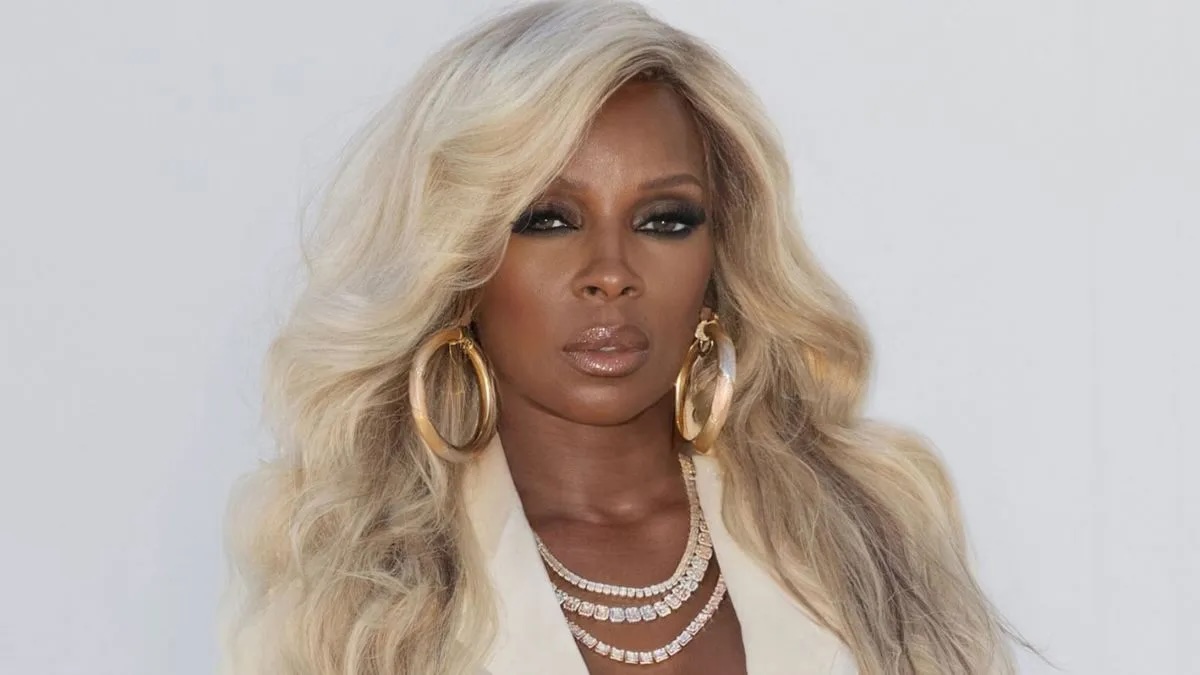
A controversial Suno advertisement featuring Mary J. Blige has been pulled after the AI music company revealed that the singer never actually authorized the campaign. The spot began circulating online over the weekend and showed Blige sitting in a studio as a producer showcased Suno’s generative AI tools. In the 85-second video, he builds a song called “Pretty Flowers” that is akin to Blige’s classic R&B sound, with Blige suggesting the addition of strings and a beat before reacting positively to the results. Shorter edits of the clip quickly spread across social media, prompting backlash from fans who believed the Queen of Hip-Hop Soul was endorsing generative AI in music.
The advertisement’s release coincided with the rollout of Suno Studio 2.0, the company’s latest suite of AI music-making tools. Blige’s appearance was particularly striking given the ongoing debate over generative AI’s relationship with musicians: Dr. Dre recently expressed support for artificial intelligence to create music, while Daft Punk’s Thomas Bangalter stated AI is a shortcut that can stunt the creative process.
Controversy and Backlash
Turns out, things weren’t quite that simple. Suno now says it arranged the campaign through someone who falsely claimed to represent Blige. “We entered into a business deal with someone who presented themselves as Ms. Blige’s official representative,” the company said in a statement to Variety. “As soon as we learned this was not the case, and that Ms. Blige was uncomfortable, we terminated the advertising campaign.”
A representative for Blige declined to comment further, so questions remain. Blige clearly participated in the filmed studio session, but Suno’s statement indicates she had not authorized the resulting advertising campaign. The company has not publicly identified the person who allegedly misrepresented themselves or explained how the deal made it far enough for the ad to be filmed and distributed.
Lawsuits and Litigation
And Suno is already dealing with considerably bigger questions about artists’ consent. Earlier this week, Jason Isbell and several other musicians filed a proposed class-action lawsuit against the company, alleging that Suno exploits musicians’ identities without permission to generate songs associated with their styles. Suno has denied those allegations, saying its platform is intended to create original music and that it blocks prompts for specific artists’ names and copyrighted songs.
The company also faces separate copyright litigation from music rights holders over material allegedly used to train its models. Given the current landscape, accidentally launching an ad campaign with an artist who apparently never approved it is some spectacularly bad timing.
As AI-generated music becomes harder to distinguish from the real thing, listeners are increasingly inclined to do some detective work of their own. For more on what to listen and look for, check out Consequence‘s guide to identifying AI-generated music. The controversy surrounding Suno and Blige serves as a reminder of the importance of transparency and consent in the music industry, particularly when it comes to the use of AI technology.

Pixel P. Snarkbyte, widely regarded as the “Shakespeare of Sh*tposts,” is a video game expert with a unique knack for turning pixels into punchlines.
Born in the small town of Respawn, Pennsylvania, Pixel grew up mashing buttons on an ancient NES controller, firmly believing that “blowing into the cartridge” was a sacred ritual passed down through generations.
Pixel P. Snarkbyte: proving that life, much like a buggy open-world game, is better with a little lag-induced chaos.
⚖️ ENTER THE LEGALIZER
Think the government has no idea what it's doing? Put your case before the Federal Case Terminal and find out.