
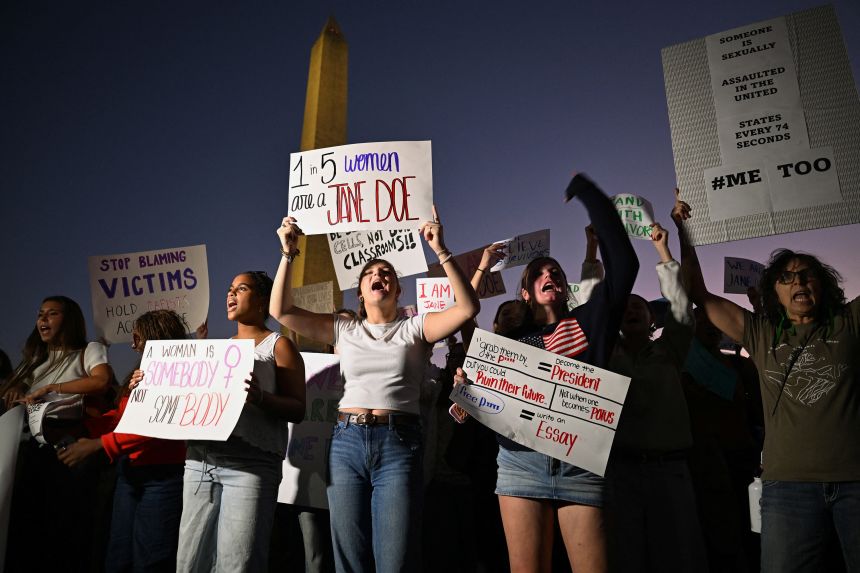
I’m sipping my coffee and reading about the latest drama surrounding Cornell University, and folks, I almost spilled my coffee reading this one. Apparently, five high school seniors have told college application consultant Robert Schwartz that they’re changing their plans and no longer going to apply to Cornell. The reason? A lawsuit alleging a 2024 gang rape at the university’s Chi Phi fraternity house. I mean, you can’t make this stuff up. The students, all girls, are looking for a safer and more responsible environment, and who can blame them?
Schwartz, the founder of YourBestCollegeEssay, has been helping students prepare for the college admissions process for 15 years and says he’s never seen anything like this. Jane Doe, the former Cornell student who filed the lawsuit, once thought of Cornell as her dream school, according to her attorney. But now, students are leading protests on campus, and the faculty is considering a vote of no confidence in the administration. It’s a mess, and the next class of potential Cornell students is entering the height of the college application season with a lot of uncertainty.
It’s still early to judge what the lawsuit will mean for the university and its admissions, but would-be applicants, their parents, and their counselors are rethinking the college process on the fly. Some are wondering whether students should still apply to Cornell early, which strategists encourage because it tends to increase the chance of acceptance, or wait till the January 2 regular-decision deadline, or drop the university altogether. Roland, a high school senior in Minnesota, had been planning on applying to Cornell early but removed the university from his list after learning about the alleged rape. He said, “I don’t know that I would feel safe in an environment that handles drugging situations like that as poorly as Cornell did.”
A spokesperson for Cornell pointed to a public letter published by university President Michael Kotlikoff, in which he apologized to Jane Doe and outlined changes to improve campus safety and sexual assault reporting. Among those changes, Kotlikoff announced Cornell was suspending parties and social events at on-campus fraternity houses for the rest of the year. Bless their hearts, it’s about time they took some action.
Michele, the parent of a high school senior, said her son was planning on applying regular decision to Cornell, but after news of the investigation, her son was “disheartened,” and her family decided to look elsewhere. Rachel Rubin, the founder and CEO of Spark Admissions, said her firm has had more than a dozen calls with families who raised concerns about campus safety and culture at Cornell. Two families specifically chose to apply somewhere other than Cornell for early decision.
Elizabeth Stone, the CEO of Top Tier Admissions, said a “handful” of her clients reached out to discuss the investigation, while a few students planning to apply early decision to Cornell have redirected to other schools. Schwartz said he asked the students who were dropping Cornell if they were doing it for safety reasons, and they started saying, “Yeah, it’s safety, but then enough is enough.” That’s how you make change, is when a group en masse says “No, I’m not going to go there.”
Samrawet, the mother of a New Jersey high school senior, said Cornell would have been a convenient location, but her son is “disgusted with all this craziness.” Three other kids she knows are refusing to apply, too. She said, “I honestly don’t understand why a family would choose to apply to Cornell after learning about such a serious situation involving students.” Maybe they’re just not paying attention, or maybe they think the prestige of an Ivy League school is more important than the safety and well-being of their child.
The decision to drop a college at this stage in the admissions process can be a loaded one, and it’s not always clear-cut. Cornell is among the less difficult Ivy League schools to get into, and it’s known for its top engineering program, while also being one of the few Ivies with a business school open to undergraduates. It’s an enticing option for students looking for a pre-professional major. But its location in relatively isolated Ithaca, New York, also means that social activities tend to be centered around parties and Greek life.
Miles, a high school senior in Utah, has been wanting to attend Cornell “my entire life,” but the small college town and the larger student body appealed to him, as well as the School of Industrial and Labor Relations. News of the lawsuit and the details of Cornell’s handling of the initial investigation turned his dream “on its head.” He said, “I do not want to be in a place that the administration is supporting rapists instead of victims.” However, after seeing faculty and students protest and rally behind Jane Doe, he decided to still apply early decision.
Not every student is citing principles in their choice. Miles said one of his friends made the decision to drop his early decision application to Cornell, not because of the incident itself, but for fear the school’s reputation would be damaged. Ralko, of Ivy Coach, recalled a parent asking if it might be easier to get into Cornell this year because of the news, an inquiry so routine following college scandals that Ralko even had a name for them: “Squeakers,” because they think they can squeak in during what they perceive as a less competitive year.
And, in an increasingly competitive undergraduate admissions landscape, the top schools remain somewhat scandal-proof. In 2006, Duke University’s administration attributed a slight decline in student admission acceptances to the school’s lacrosse rape scandal, later revealed to be a hoax. In 2014, Emma Sulkowicz publicly criticized Columbia University’s handling of her sexual assault case, which became widely publicized when Sulkowicz silently protested by carrying a mattress throughout campus, attracting support from figures like Sen. Kirsten Gillibrand. Applications still increased in 2015; this year, Columbia received the most applications in school history.
Linda Kern, a Cornell alum who has been a college admissions counselor for eight years, hasn’t had any students bring up the Cornell case, nor have any decided to toss their applications. She said she doubts the case will dissuade students or parents — most people recognize this can happen on any campus, she said, and many kids applying might not be thinking that what happened to Jane Doe could also happen to them. It’s kind of like when you see a natural disaster on the news: “Well, that happened in that community, but it’s not going to affect me.”
And Cornell is still an Ivy League school. For many families and their kids, “the overriding consideration is prestige.” They believe that these schools will set them up for life, and to a degree, there’s some truth to that. But, as I always say, you can’t put a price on safety and happiness. In conclusion, the Cornell University scandal has sparked a lot of conversation and controversy, and it will be interesting to see how it affects the school’s admissions in the long run. But one thing’s for sure, folks, this is a wild ride, and I’m just here for the coffee and the drama 🙃.

Armchair patriot. Believes in the free market, cold beer, and that there’s always a guy named George behind every CNN segment.
Former remote-throwing champion turned #1 couch commentator on liberal panic in the media. Born in Texas (or so his mug says), he earned a degree in Fake Newsology & Beer Philosophy from YouTube University.
⚖️ ENTER THE LEGALIZER
Think the government has no idea what it's doing? Put your case before the Federal Case Terminal and find out.