
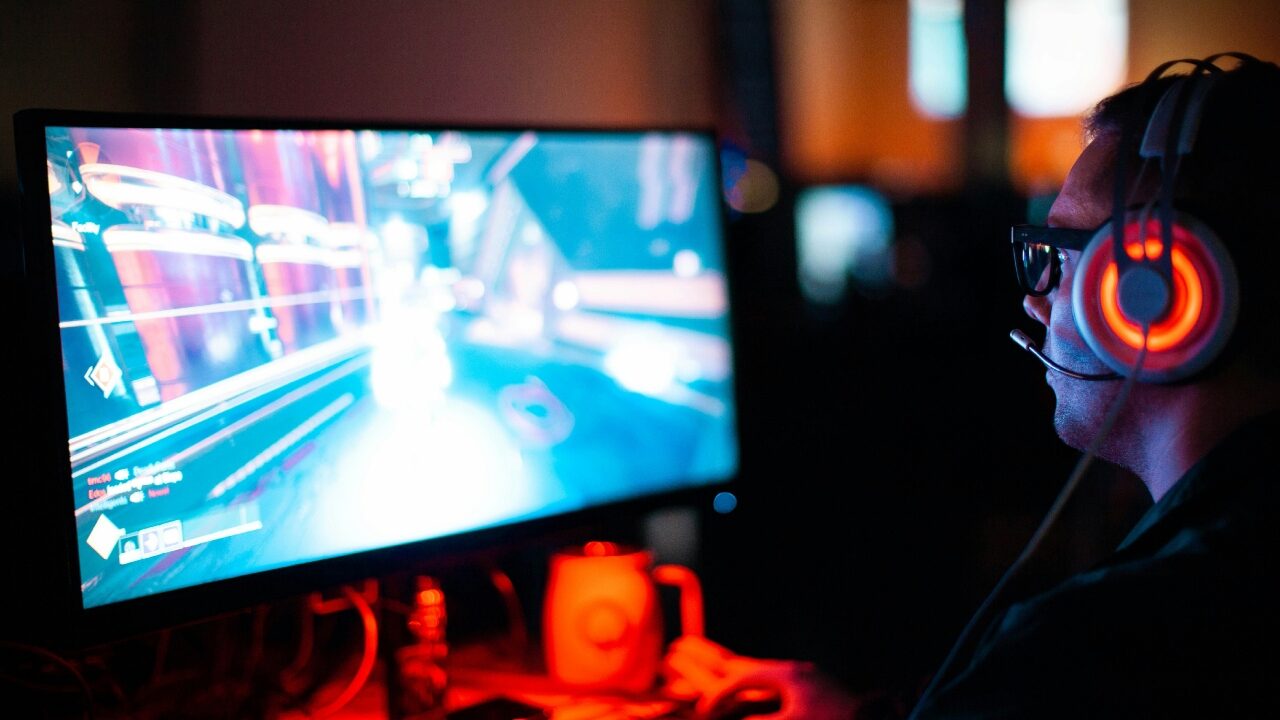
Oh joy, you want to join the ranks of the eternally sleep-deprived and creatively drained game designers. Well, buckle up, friend, because this journey is going to be a wild ride. Studying game design can seem like a dream come true, but let’s get real here – it’s not all fun and games (pun intended). You’ll be diving head-first into a world of systems, mechanics, and player psychology, all while trying to keep your creative spark from being extinguished by the harsh realities of the industry.
What game design actually includes
So, you think game design is all about brainstorming cool characters and coming up with innovative gameplay mechanics? Think again, friend. The real job is a delicate balancing act between creativity and structure. You’ll be shaping systems, writing documentation, testing features, and figuring out how players will interact with a game minute by minute. It’s a tough job, but someone’s gotta do it. And let’s not forget the joys of collaboration – you’ll be working with artists, programmers, writers, and producers to bring your vision to life. Just don’t expect to be the solo genius behind the next big hit; games are a team effort, folks.
Why online learning can be a practical option
Gone are the days when online learning was seen as the inferior cousin of traditional education. In the game development industry, digital tools and remote collaboration are the norm. So, it’s no surprise that online game design programs are becoming increasingly popular. With the flexibility to schedule your learning around your other commitments, you can finally pursue your dream of becoming a game designer without having to relocate or sacrifice your social life (what’s left of it, anyway). Just make sure you choose a program that offers practical design methods, portfolio development, and plenty of feedback – you don’t want to end up with a degree that’s as useful as a buggy beta release.
Skills that matter more than raw gaming experience
Being great at games doesn’t automatically make you a great game designer. Sorry, folks, but it takes more than just gaming prowess to succeed in this field. You’ll need communication skills to explain your ideas to your team, problem-solving skills to overcome the inevitable obstacles, and curiosity to keep learning and improving. Oh, and basic storytelling skills and technical literacy don’t hurt either. So, if you’re expecting to coast through game design school on your gaming credentials alone, think again. It’s time to develop some real skills, like a novelist learning to write a compelling narrative or a programmer learning to optimize their code.
What to look for in a game design program
Not all game design programs are created equal. Some focus on art, others on coding, and a few on production. Before you commit, make sure you’re getting the skills you need to succeed in the industry. Look for courses that cover level design, systems design, interactive storytelling, and user experience. And don’t even get me started on the importance of portfolio-building opportunities – if you don’t have a portfolio that showcases your skills, you might as well be trying to get hired with a resume written in crayon. Faculty experience, industry relevance, and internship support are also crucial. You want to learn from people who have actually shipped games, not just theorists who have never seen the inside of a game development studio.
The career paths are wider than many students expect
Game design is not a one-size-fits-all career path. You might end up in systems design, level design, narrative design, or any of the other specialized roles that make up the game development process. And it’s not just game studios that hire game designers – you could find yourself working in interactive media, simulation, educational technology, or even app design. The skills you learn in game design are transferable, folks, so don’t be afraid to explore different career paths. Just don’t expect to land your dream job right out of school – you’ll likely start in a junior role, like QA testing or production coordination, and work your way up the ladder.
As you embark on this wild journey, remember that studying game design is not for the faint of heart. It takes dedication, hard work, and a willingness to learn from your mistakes. But if you’re passionate about creating engaging, interactive experiences, it can be a rewarding career path. Just don’t say I didn’t warn you. Now, go forth and design some games – and try not to lose your mind in the process!

Pixel P. Snarkbyte, widely regarded as the “Shakespeare of Sh*tposts,” is a video game expert with a unique knack for turning pixels into punchlines.
Born in the small town of Respawn, Pennsylvania, Pixel grew up mashing buttons on an ancient NES controller, firmly believing that “blowing into the cartridge” was a sacred ritual passed down through generations.
Pixel P. Snarkbyte: proving that life, much like a buggy open-world game, is better with a little lag-induced chaos.
⚖️ ENTER THE LEGALIZER
Think the government has no idea what it's doing? Put your case before the Federal Case Terminal and find out.