Folks, I almost spilled my coffee reading this one. A cyberattack on water systems in a dozen states is exposing years of under-investment in critical infrastructure and how US adversaries can threaten services that everyday Americans take for granted, according to industry experts and current and former US officials. I mean, it’s not like we haven’t been warned about this kind of thing before, but I guess it’s one of those things that you don’t really think about until it happens to you. The cyber intrusions in some cases led to water pressure drops and flooding at facilities, according to the FBI, but did not compromise the safety of drinking water, according to state and local officials. So, that’s a relief, right?
The FBI says that the hackers, who struck during a scorching heat wave, didn’t go further in causing damage at the water facilities. Manipulating devices that monitor chemical dosing, for example, could have jeopardized the safety of the drinking water. US officials are now asking themselves why the hackers didn’t go further, with one official wondering if they were dealing with the “C team” and not the “A team”. You can’t help but wonder what could have been if the hackers had decided to go all out.
Iran is a suspect in the hacks, but US officials have not yet confirmed Tehran’s involvement. For years, US officials have warned that sabotage-capable hacking teams from Russia, China, and Iran were developing access to sensitive industrial networks across the US and were lying in wait for a moment of crisis to cause disruptions. The soft underbelly of American infrastructure — local water and power plants that serve military facilities, for example — have been targeted. It’s like they’re just waiting for the perfect moment to strike.
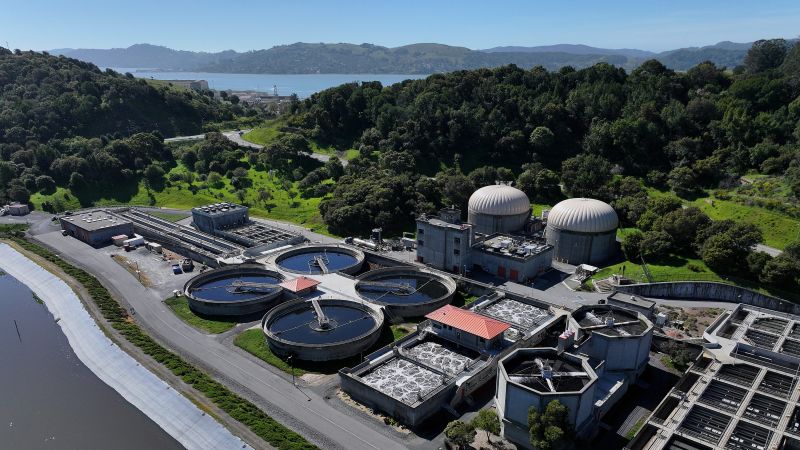
Now, water system operators in modest-sized towns and counties are at the forefront of investigation into one of the most serious cyberattacks on the sector in years. States from South Dakota to Georgia have been affected. Caitlin Durkovich, a former deputy homeland security adviser in the Biden White House, says that “it’s no secret that water utilities are under-resourced and vulnerable to cyberattacks, and it’s no secret that our adversaries know it”. She’s right, of course. We’ve been warned about this kind of thing for years, but it seems like we’re always playing catch-up.
The hacking incidents have triggered federal and state policy responses. New York Gov. Kathy Hochul has announced about $9 million in grants to try to strengthen the cyber defenses of water systems across New York. Democratic Sen. Adam Schiff of California plans to introduce legislation next week that would give the Environmental Protection Agency greater authorities to help boost water cyber defenses. It’s a good start, but you have to wonder if it’s too little, too late.
Coupled with national security concerns is a deep frustration among water-sector specialists and cyber experts that there is still so much infrastructure that is directly accessible from the internet. Marty Edwards, former head of the Department of Homeland Security’s Industrial Control Systems Cyber Emergency Response Team, says that “for the past 20 years, experts have been telling utilities to make sure their systems were not directly accessible from the internet”. It’s just common sense, but I guess it’s one of those things that gets lost in the shuffle.
In conclusion, this whole situation is a bit of a mess. The cyberattack on water systems is a wake-up call for the US to get its act together and invest in its critical infrastructure. It’s not like we haven’t been warned before, but I guess it takes a good scare to get people moving. As I finish my coffee, I’m left thinking that it’s a good thing the hackers didn’t go further, but you have to wonder what’s going to happen next. I guess we’ll just have to stay tuned and hope that our officials are taking this seriously. After all, you don’t want to be the one stuck without a glass of clean water, right? 😊
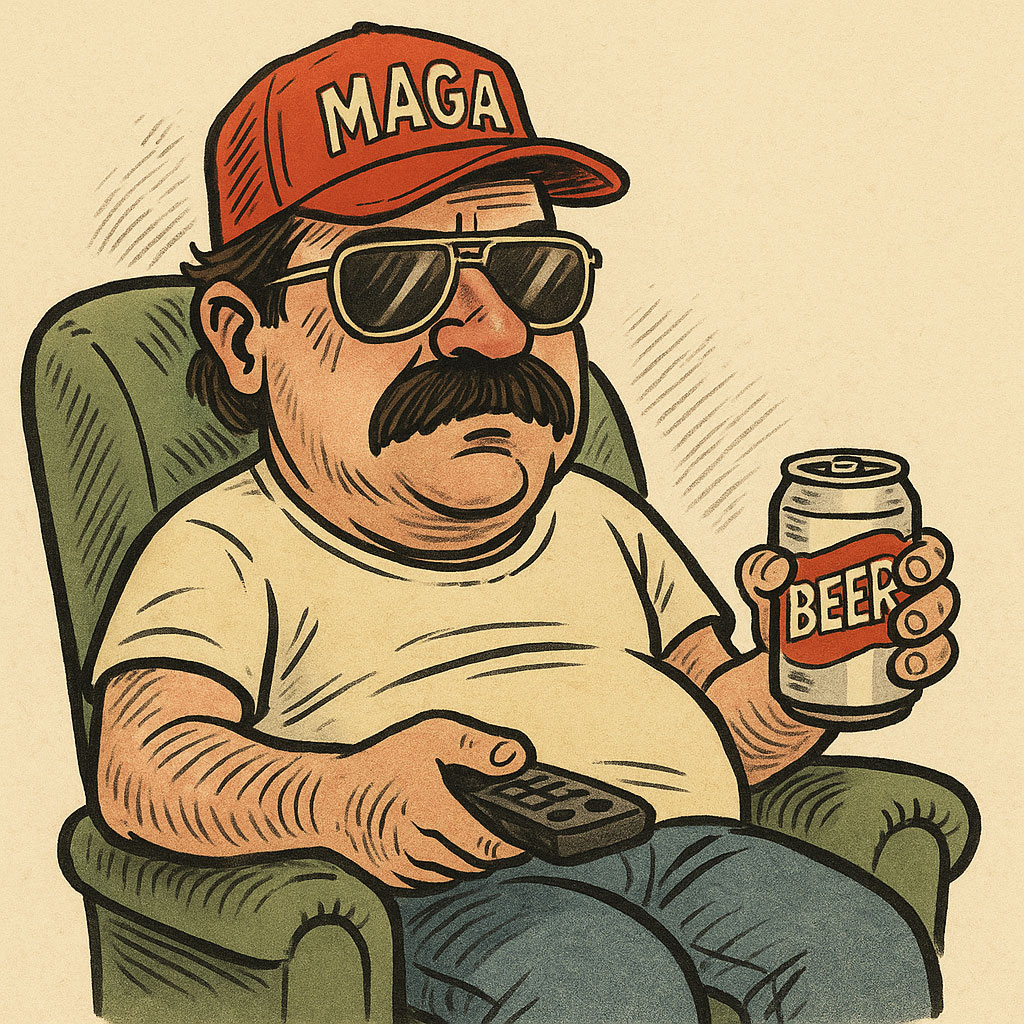
Armchair patriot. Believes in the free market, cold beer, and that there’s always a guy named George behind every CNN segment.
Former remote-throwing champion turned #1 couch commentator on liberal panic in the media. Born in Texas (or so his mug says), he earned a degree in Fake Newsology & Beer Philosophy from YouTube University.
⚖️ ENTER THE LEGALIZER
Think the government has no idea what it's doing? Put your case before the Federal Case Terminal and find out.