
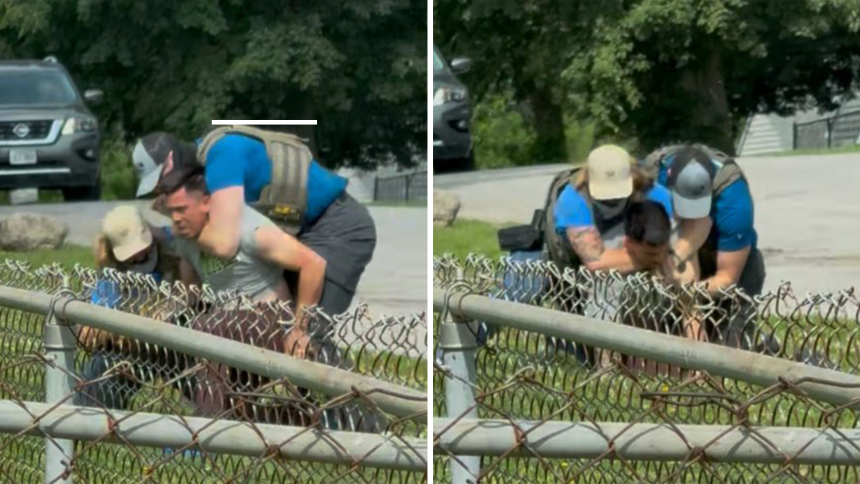
Folks, I almost spilled my coffee reading this one. Here’s the story of Gabriel Hurtado-Cariaco, a Venezuelan delivery driver who was arrested by federal officers in Nebraska last summer. The government officials branded him with some pretty harsh labels, calling him a “criminal illegal alien,” a “known Tren de Aragua terrorist,” and even alleged that he slammed an agent’s head into the ground and choked her. But, as it often does, video footage told a different story. Bystander videos showed that the agents were the ones who used chokeholds, not Hurtado-Cariaco. The initial complaint filed against him was later amended, and the charges were downgraded from attempted murder to assault.
The case of Hurtado-Cariaco is a complex one, with many twists and turns. He was indicted last summer on attempted murder and other charges, but the bystander videos contradicted the accounts painting him as a villain. The agents involved in the arrest initially claimed that Hurtado-Cariaco had violently resisted arrest and choked one of them, but the videos showed that it was actually the agents who used force.
Then-Deputy Attorney General Todd Blanche called Hurtado-Cariaco a “vicious Tren de Aragua gang member” in a June 2025 Justice Department statement. However, Hurtado-Cariaco’s public defender, Richard McWilliams, said that the government’s account of the events was not supported by the evidence. McWilliams stated that the video footage and other evidence largely undercut the government’s narrative of immigration enforcement actions.
Hurtado-Cariaco was sentenced to 14 months in prison, with the judge recommending he receive credit for time served. However, his fate remains uncertain, as he has an immigration detainer asking the Bureau of Prisons to transfer him directly to Immigration and Customs Enforcement custody. The judge in the case, US District Court Chief Judge Robert Rossiter, was critical of the government’s handling of the case, saying that the reporting of the incident was “embellished” and that the allegations against Hurtado-Cariaco were not supported by the evidence.
The case has sparked concerns about the reliability of official reports and the use of force by immigration agents. McWilliams said that the speed and scale of the escalation surrounding what happened was troubling, and that the government’s account of the events was not supported by the evidence. The judge in the case agreed, saying that the government’s reporting of the incident was “misrepresentation” and that it was “troubling” that the allegations against Hurtado-Cariaco were not supported by the evidence.
The Department of Homeland Security and ICE did not respond directly to questions about the handling of Hurtado-Cariaco’s case or remarks made by the federal judge and public defender. However, a DHS spokesperson repeated official statements made shortly after Hurtado-Cariaco’s arrest, calling him a known gang member and terrorist.
In recent months, there have been several cases where government accounts of encounters with immigration agents have crumbled under scrutiny. In one case, a US citizen survived being shot multiple times by a Customs and Border Protection agent, and video footage and witness accounts contradicted the government’s initial account of the shooting. In another case, an ICE officer was charged with second-degree assault and falsely reporting a crime after video footage showed that his account of a shooting was not supported by the evidence.
Hurtado-Cariaco’s case has also raised questions about the identification of gang members and the use of tattoos as evidence. McWilliams said that the government’s identification of Tren de Aragua members was based on “a prominent tattoo of a clock with an ‘all seeing eye'” on Hurtado-Cariaco’s forearm, but that the tattoo actually represented the date of his son’s birth.
In conclusion, the case of Gabriel Hurtado-Cariaco is a complex and troubling one, with many questions still unanswered. While he has been sentenced to 14 months in prison, his fate remains uncertain, and the government’s handling of the case has been widely criticized. As the judge in the case said, “You cannot ignore the videos here,” and it’s clear that video footage has played a crucial role in uncovering the truth about what really happened. And that’s the truth, folks – sometimes, it takes a village (and some eyewitness videos) to get to the bottom of things.
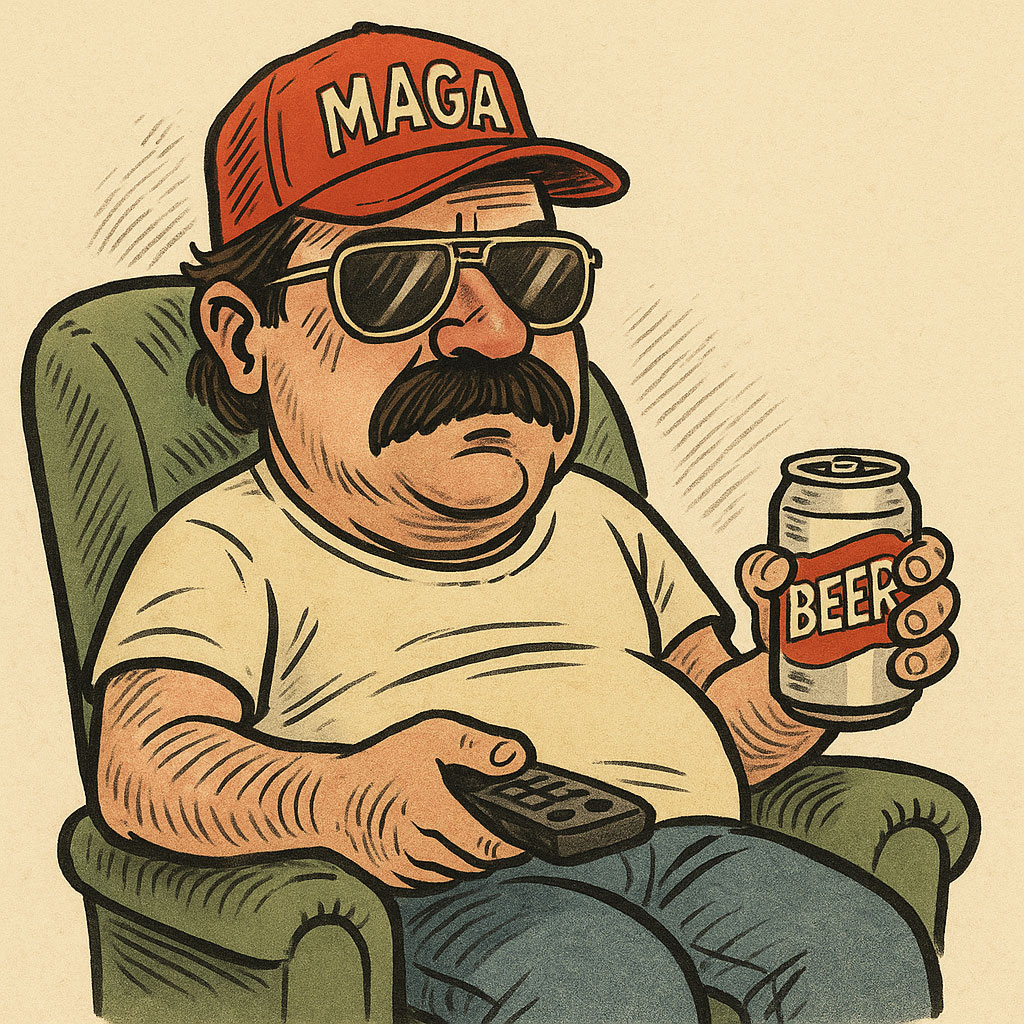
Armchair patriot. Believes in the free market, cold beer, and that there’s always a guy named George behind every CNN segment.
Former remote-throwing champion turned #1 couch commentator on liberal panic in the media. Born in Texas (or so his mug says), he earned a degree in Fake Newsology & Beer Philosophy from YouTube University.
⚖️ ENTER THE LEGALIZER
Think the government has no idea what it's doing? Put your case before the Federal Case Terminal and find out.