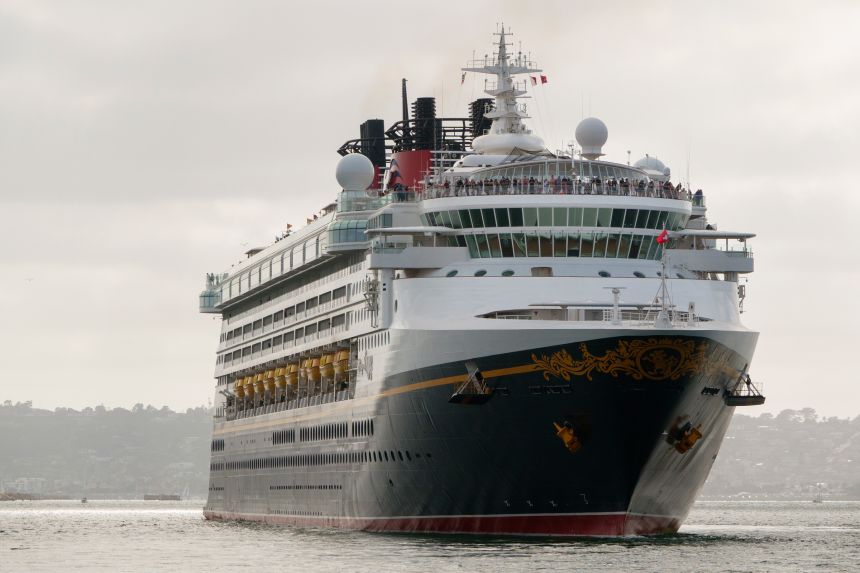
I’m sipping on my morning coffee, reading the latest from CNN, and I just can’t help but chuckle at the state of Disney parks. Influencers have been flooding social media with videos of short wait times, and at first glance, it seems like a ghost town. One content creator even recorded a relatively empty Disneyland, noting the absent daytime crowd. But, folks, don’t be fooled – Disney’s revenue for parks and cruises rose 10% from the year before, with global parks attendance growing 4% and per-guest spending increasing. The occupancy of their domestic resort hotels even hit a whopping 91%. I guess you could say the short wait times were just a clever distraction.
As I delve deeper into the article, I learn that Kel Warner, who posts at @themeparkmomlife, pointed out that the park wasn’t crowded, even with perfect summer weather. But let’s get real, Disney didn’t become a beloved brand by accident. They’ve been working hard to get people to visit during other parts of the year, especially the holidays. And it seems like it’s paid off, with the company pulling off a great quarter while others, like Universal parks and resorts, saw softening attendance at their older theme parks in Orlando.
Now, I know what you’re thinking – how did Disney manage to pull this off? Well, it turns out they offered a slew of aggressive, targeted discounts for tickets, hotels, and dining plans. They even expanded programming and shows for young children, retooled some existing attractions, and got their skip-the-line service just right. It’s like they say, “you can’t buy happiness, but you can buy a Disney ticket, and that’s kind of the same thing.” Beci Mahnken, founder and CEO of MEI-Travel and Mouse Fan Travel, said it best: “I think Disney is starting to read the room… They didn’t suddenly become inexpensive, and I don’t think we should pretend they did. Instead, they found ways to add value and give consumers more choices without diminishing the experience.”
But what really caught my attention was the way Disney repurposed underutilized space to draw higher crowds without adding to wait times for rides. The Walt Disney Studio Lot courtyard in Florida, for example, has been transformed from a dead zone to a bustling area. And let’s not forget the introduction of new shows like “Bluey’s Best Day Ever!” – it’s like they’re speaking my language now. As Tom Bricker wrote on his site, DisneyTouristBlog.com, “All those people wandering around that courtyard are doing something other than waiting in a line.” Ah, music to my ears.
It’s clear that Disney’s strategy is paying off. While other parks, like Sea World and Busch Gardens, saw a decline in attendance, Disney’s guest survey results showed high satisfaction and intent to return. As Thomas Mazloum, chairman of Disney Experiences, said in an internal memo, “across nearly every market we operate, our guests are happy and want to come back.” And that’s the key to Disney’s success – they’ve got a loyal fan base that’s been built over generations. As Mahnken said, “We have generations of parents and grandparents who grew up going to Disney, and now they want their kids and grandkids to have some of those same experiences… That kind of connection is hard to compete with.”
In conclusion, it seems like Disney’s got the magic touch, even in uncertain economic times. They’ve managed to balance discounts with added value, and it’s paid off in a big way. So, if you’re planning a trip to the Happiest Place on Earth, don’t let the short wait times fool you – it’s still the ultimate vacation destination. And who knows, you might even find yourself singing “It’s a Small World” all the way home. 😊

Armchair patriot. Believes in the free market, cold beer, and that there’s always a guy named George behind every CNN segment.
Former remote-throwing champion turned #1 couch commentator on liberal panic in the media. Born in Texas (or so his mug says), he earned a degree in Fake Newsology & Beer Philosophy from YouTube University.
⚖️ ENTER THE LEGALIZER
Think the government has no idea what it's doing? Put your case before the Federal Case Terminal and find out.