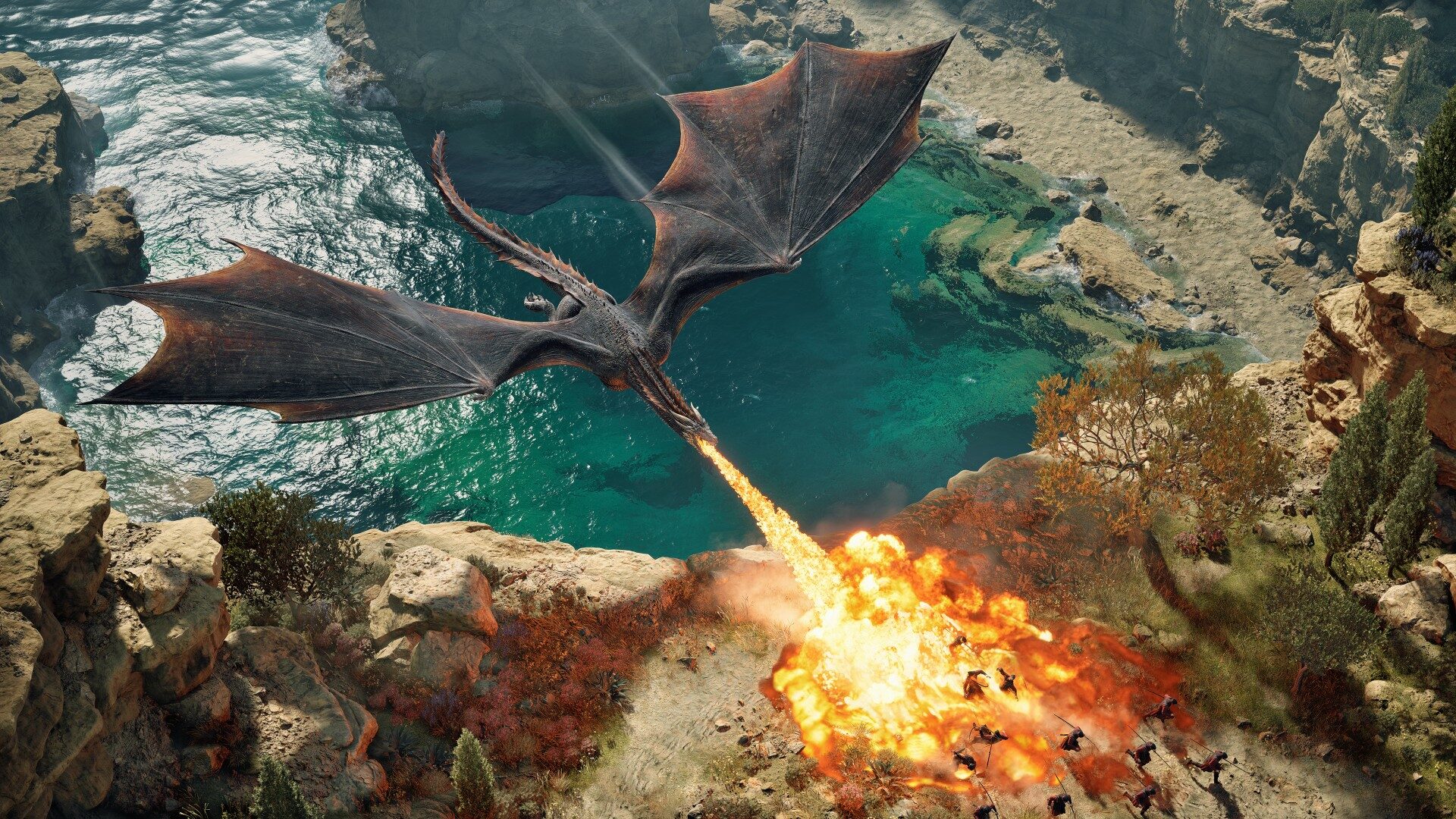
Game of Thrones: War for Westeros, a real-time strategy game that’s been a long time coming. I mean, who wouldn’t want to experience the thrill of battling for the Iron Throne, am I right? It’s not like we’ve been inundated with a plethora of lackluster Game of Thrones games over the years. But, alas, it seems like this one might actually be worth our while. After spending a solid 10 hours playing the skirmish mode, I’m cautiously optimistic that War for Westeros might just be the Game of Thrones game we’ve all been waiting for.
Let’s get down to business. War for Westeros is, in fact, a real-time strategy game, with all the trimmings you’d expect. It’s not some watered-down, mobile-style RTS with timers and stamina systems. No, this is a full-fledged, PC-style RTS, complete with base-building, resource management, and large-scale battles. It’s reminiscent of The Lord of the Rings: Battle for Middle-Earth, which is a good thing, considering that game is still one of the best RTS titles out there.
The game’s core mechanics are solid, with a focus on quick, snappy matches. You’ll need to claim zones, gather resources, and build your army to take down your opponents. It’s a fast-paced game, with an emphasis on micro-management and second-to-second army control. The twist? Each faction has its unique playstyle, with the Starks and Lannisters offering distinct experiences. The Lannisters, for example, can go into debt to build more units, while the Starks have access to Direwolves and Wildlings. It’s a great start, but I think the game could benefit from even more asymmetric design. Imagine if each faction had radically different resource gathering, army composition, or even victory conditions. That would be something truly special.
The Factions: A Tale of Two Houses
The Starks and Lannisters are just the beginning, with two more factions waiting in the wings. The White Walkers, in particular, could offer a fascinating twist on traditional RTS gameplay. Perhaps they’ll have a unique resource system, or units that can only be built in certain environments. The possibilities are endless, and I’m excited to see how the developers will differentiate each faction.
Asymmetric Design: The Key to Success
Asymmetric design is what sets War for Westeros apart from other RTS games. The Starks and Lannisters may share some similarities, but their unique units, abilities, and playstyles make for a refreshing change of pace. The Lannisters’ alchemists, for example, can be game-changers in the right situation, while the Starks’ Direwolves offer a formidable cavalry option. It’s this kind of creativity and experimentation that could elevate War for Westeros to new heights.
Bugs, Issues, and the Road to Release
Of course, no game is perfect, and War for Westeros is no exception. Unit AI can be wonky, wall-building is a chore, and there are some frustrating bugs that need to be ironed out. But these are all issues that can be addressed before release. What’s important is that the game’s foundation is solid, and the developers seem to be on the right track.
In conclusion, Game of Thrones: War for Westeros is a game that’s left me feeling hopeful, rather than hyped. It’s a solid RTS with a unique twist, and the potential for something truly great. Let’s just hope the developers can deliver on their promises and create a game that’s worthy of the Game of Thrones name. After all, we’ve been burned before by lackluster Games of Thrones games. But if War for Westeros can deliver on its promise, it might just be the game that finally does the series justice. Now, if you’ll excuse me, I have to go practice my “Dracarys!” – it’s going to be a long wait until release.

Pixel P. Snarkbyte, widely regarded as the “Shakespeare of Sh*tposts,” is a video game expert with a unique knack for turning pixels into punchlines.
Born in the small town of Respawn, Pennsylvania, Pixel grew up mashing buttons on an ancient NES controller, firmly believing that “blowing into the cartridge” was a sacred ritual passed down through generations.
Pixel P. Snarkbyte: proving that life, much like a buggy open-world game, is better with a little lag-induced chaos.
⚖️ ENTER THE LEGALIZER
Think the government has no idea what it's doing? Put your case before the Federal Case Terminal and find out.