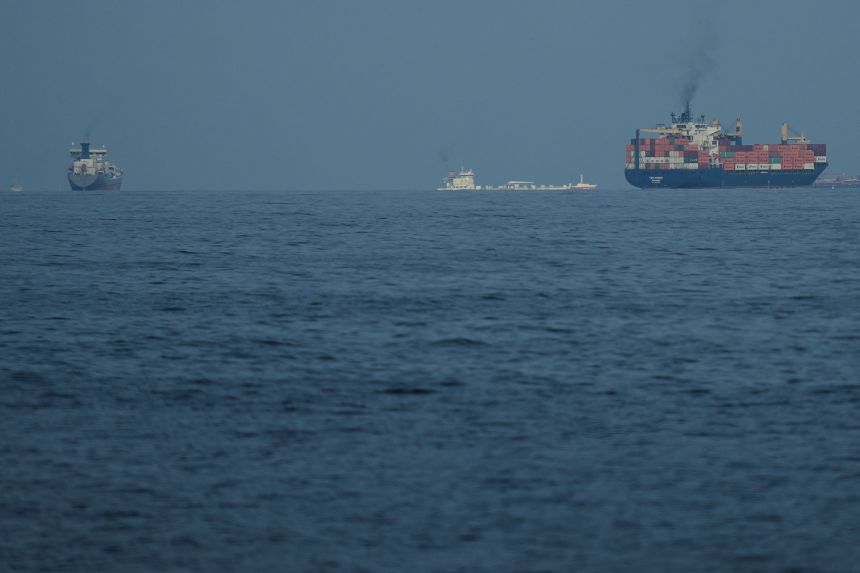
Folks, I’m sipping my coffee and reading about the latest on Operation Southern Spear, and I have to say, it’s a bit of a mixed bag. The US military has been striking alleged drug trafficking boats in the Caribbean and eastern Pacific, and while they’ve destroyed at least 67 vessels and killed at least 221 people, law enforcement officials and experts are questioning the lasting impact of these strikes. I mean, who doesn’t love a good boat chase, but is it really making a dent in the drug trade?
The official mission of Operation Southern Spear is classified, because, you know, secrecy is key when you’re blowing up boats. But we do know that the US military has been targeting alleged drug trafficking boats since September 2025, and the last strike occurred on June 21. It’s not clear why the strikes have paused, but I’m sure it’s just a coincidence that it happened after the US captured Nicolas Maduro in a daring raid.
US Southern Command says the mission is to “detect, disrupt and dismantle” cartels labeled as terrorist organizations, which is a pretty tall order. But experts like Nicholas Magliocca, a geography professor at the University of Alabama, are skeptical about the effectiveness of the lethal strike strategy. He says that “meeting force with force” has only intensified the issue, and I have to agree. I mean, it’s not like the cartels are just going to throw up their hands and say, “Oh, you’re blowing up our boats? We guess we’ll just quit the drug trade now.”
Another expert, Sebastian Cutrona, says that sea-borne trafficking is often done through shipping containers, not boats, so the strikes might be a bit misplaced. And let’s be real, the Caribbean Sea routes are not the primary way that cocaine enters the US. Most of it comes overland through the US-Mexico border, so maybe we should be focusing on that instead.
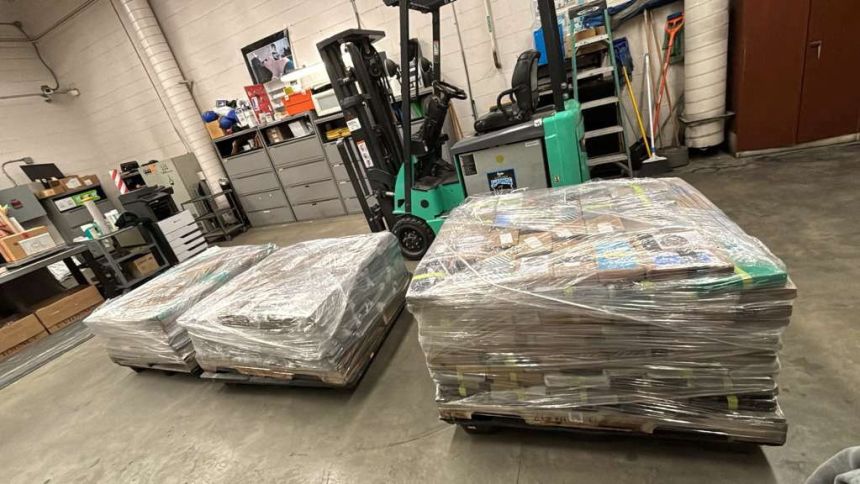
The Coast Guard has seized a bunch of cocaine, but it’s still reaching the US. Customs and Border Protection officials are seizing thousands of pounds per month, and the Drug Enforcement Agency seized nearly 180,000 pounds during the first half of 2026. So, while the boat strikes might be making a splash, they’re not exactly solving the problem.
The head of US Southern Command, Marine Corps Gen. Francis Donovan, has even acknowledged the limitations of the boat strikes. He told lawmakers in March, “Boat strikes aren’t the answer,” which is a bit of an understatement. I mean, if the head of the operation is saying that, maybe it’s time to rethink the strategy.
In conclusion, Operation Southern Spear might be a good way to get some headlines, but it’s not exactly the most effective way to tackle the drug trade. As Cutrona said, “I don’t see that the United States is tackling the roots of the problem,” and that’s a pretty big problem. So, here’s to hoping that our government will come up with a better plan, and soon. After all, as the saying goes, “you can’t just blow up the problem and expect it to go away” – although, I have to admit, that does sound like a pretty fun movie plot. 🙄

Armchair patriot. Believes in the free market, cold beer, and that there’s always a guy named George behind every CNN segment.
Former remote-throwing champion turned #1 couch commentator on liberal panic in the media. Born in Texas (or so his mug says), he earned a degree in Fake Newsology & Beer Philosophy from YouTube University.
⚖️ ENTER THE LEGALIZER
Think the government has no idea what it's doing? Put your case before the Federal Case Terminal and find out.