
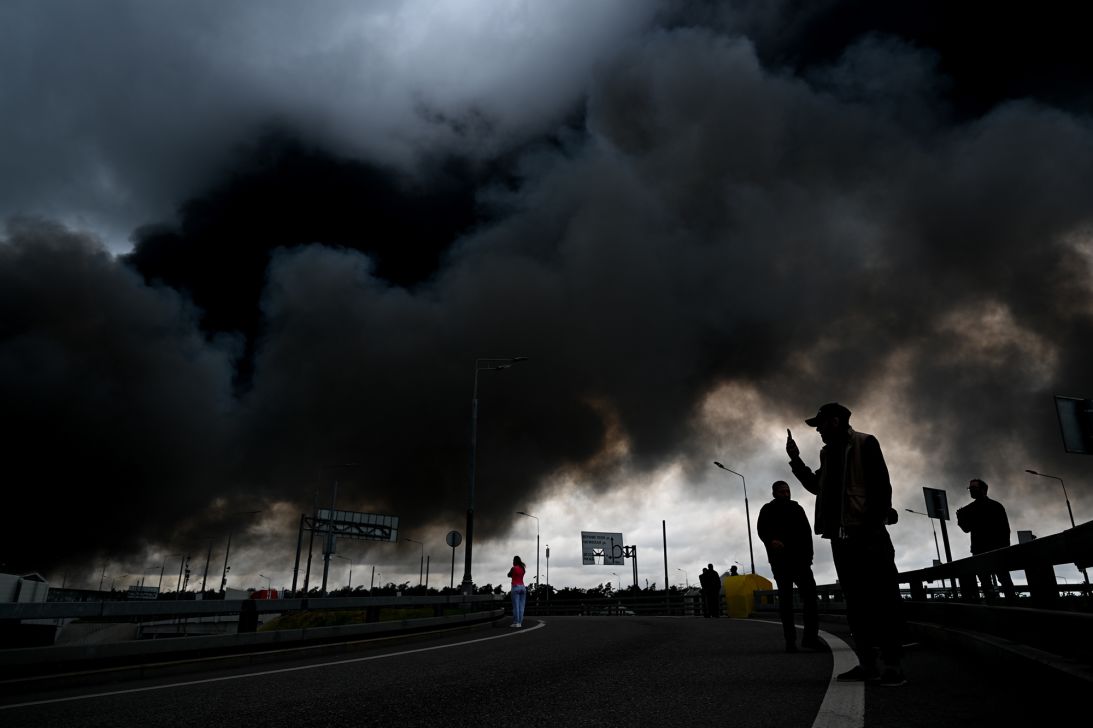
Folks, I almost spilled my coffee reading this one. It seems like the perfect storm is brewing in the oil market, and I’m not just talking about the price at the pump. The real issue is the fuel supply crisis that’s lurking just beneath the surface. What started as an oil supply shock caused by the Strait of Hormuz blockage has morphed into a full-blown fuel supply crisis. Refineries are facing a perfect combination of war and export restrictions, which is limiting how much crude oil they can turn into gasoline, jet fuel, and diesel.
The situation is getting pretty dire, with the diesel crack spread skyrocketing to $102 a barrel on Monday for the first time ever. That’s nearly tripling pre-war levels, and it’s a key measure of refining profitability. Bob McNally, founder and president of Rapidan Energy Group, told CNN that “this is man-bites-dog news. The market is screaming that we’re short.” Supplies of fuel remain historically tight because three of the four global refining hubs are in severe distress.
Refineries in the Middle East have been attacked during the Iran war, and the ones that are still standing are having trouble shipping fuel because of the standoff in the Strait of Hormuz. Russia, a major exporter of fuel, has been crippled by drone attacks from Ukraine, with approximately 40% of its refining capacity offline. That’s around 3% of global refining capacity, according to research firm Capital Economics. Moscow has banned gas and diesel exports through the end of January 2027, facing fuel shortages at home.
Then there’s China, another major fuel exporter, which has helped prevent oil prices from spiking to $150 a barrel by slashing its oil imports. However, Beijing has also sought to avoid domestic fuel shortages by limiting its own fuel exports. This leaves the US Gulf Coast as the only game in town, and American refineries are running all-out to capture the historic profit margins. Shares of American-based Marathon Petroleum and Valero Energy have more than doubled so far this year, while Phillips 66 shares are up almost 90%.
The confluence of events has also driven booming profits at major oil companies like Chevron and ExxonMobil. Exxon alone made $160 million per day last quarter. But it’s not clear how long US refineries can go all-out. The height of hurricane season looms, and Gulf Coast refineries have in the past been derailed by major hurricanes hitting the Gulf Coast. Normally, refineries take advantage of softer demand in the fall by slowing down for repairs.
Fuel prices are sharply higher than this point last summer, though still not as high as many feared when the Iran war started. The national average for regular gas hit $4.07 a gallon on Tuesday, up 30% year-over-year. Diesel, a crucial fuel for the world economy, is 48% more expensive than this time last year. Higher diesel prices have cost US consumers nearly $40 billion since the war started, according to research from Brown University’s Climate Solutions Lab.
Jet fuel, meanwhile, has surged by more than 70% over the past year. Airlines, supported by resilient travel demand and the shutdown of budget carrier Spirit in May, have hiked airfare and baggage fees and cut less profitable flights. The consumer-facing impact is showing up at the pump and at the airport, and that’s where the pressure is going to build from here.
As Big Oil cashes in on the supply disruptions, Main Street is increasingly frustrated by high prices. The risk is that the refinery troubles keep gasoline, diesel, and jet fuel elevated for longer, keeping inflation elevated. Unless Middle East, China, and/or Russia supply issues are resolved, diesel prices are likely to remain near cycle highs, with further upside risk if inventories continue to draw into the winter.
In conclusion, the oil market is a mess, and it’s not just about the price at the pump. The fuel supply crisis is real, and it’s going to take some time to resolve. As McNally said, either Iran taps out or the president taps out – I couldn’t tell you which will come first. One thing is for sure, though: it’s going to be a wild ride. And who knows, maybe we’ll all be driving electric cars sooner rather than later – but until then, I’m just going to sit back, sip my coffee, and enjoy the show.
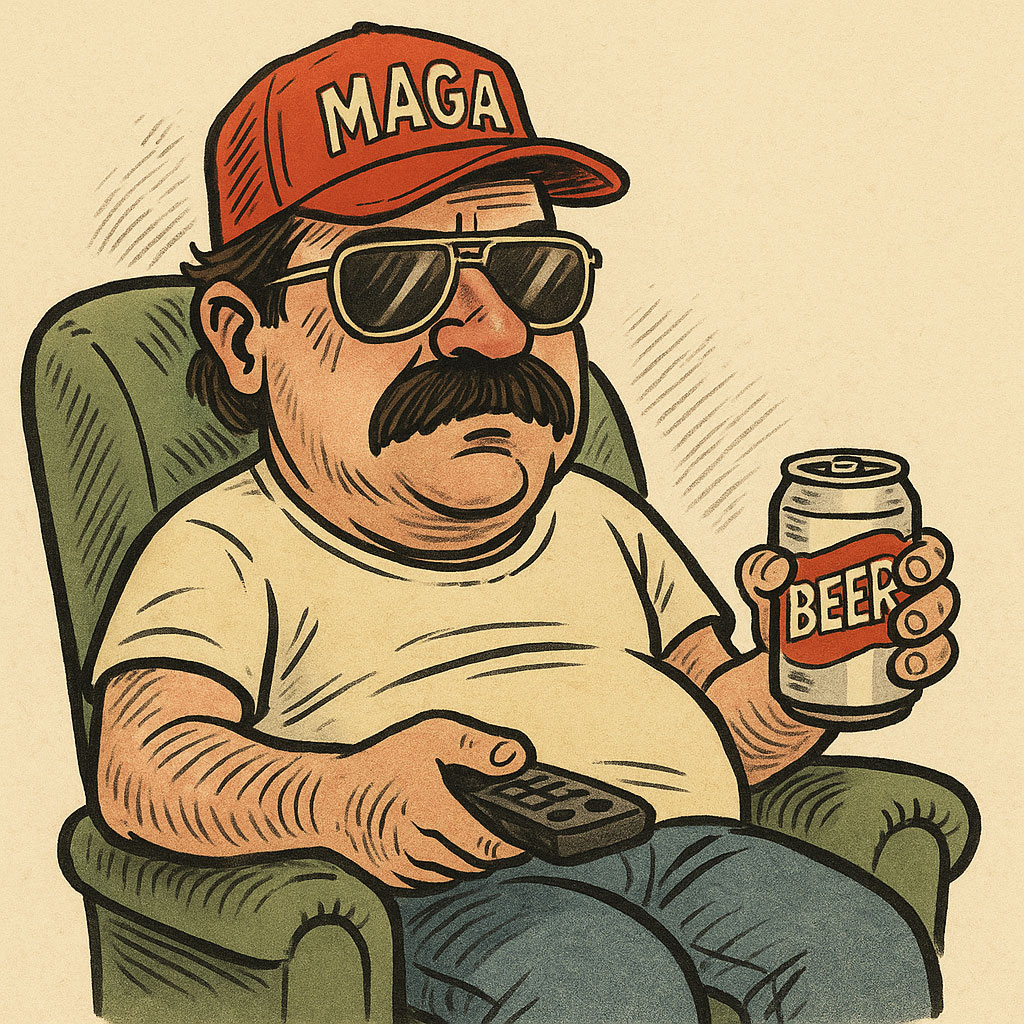
Armchair patriot. Believes in the free market, cold beer, and that there’s always a guy named George behind every CNN segment.
Former remote-throwing champion turned #1 couch commentator on liberal panic in the media. Born in Texas (or so his mug says), he earned a degree in Fake Newsology & Beer Philosophy from YouTube University.
⚖️ ENTER THE LEGALIZER
Think the government has no idea what it's doing? Put your case before the Federal Case Terminal and find out.