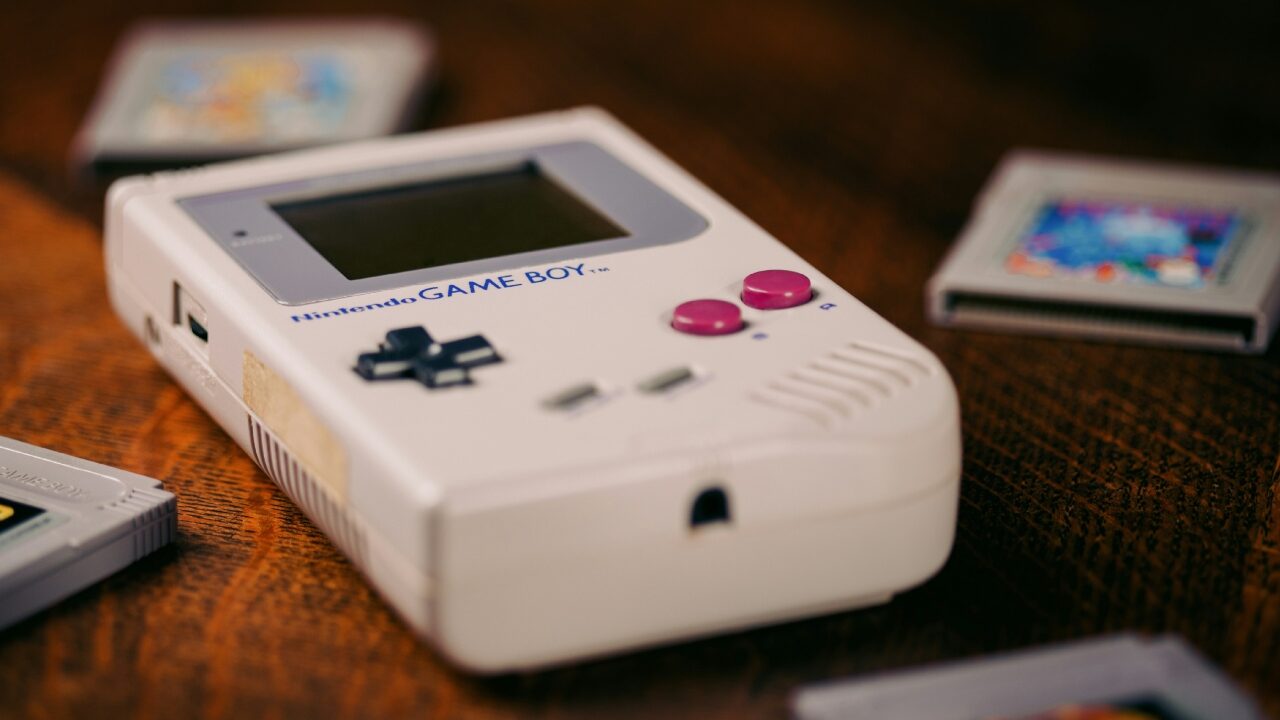
Get ready for a blast from the past, folks, as the humble cartridge slot is making a comeback in the world of gaming. Because, you know, nothing says “innovation” like a technology that’s been around since the dawn of time. I mean, who needs fancy digital downloads or streaming services when you can have a chunk of plastic with some wires stuck in it? It’s like the industry is saying, “Hey, remember those old Game Boys you used to play with? Yeah, we’re bringing those back, but with a few more pixels and a much higher price tag.”
Why Anyone Still Wants a Slot in 2026
It seems that Analogue, the company behind the Pocket handheld, has been having a field day selling out their devices, with buyers clamoring to get their hands on one. And it’s not just nostalgia that’s driving sales – the Pocket’s FPGA chip allows it to behave like original Game Boy hardware, which is a big deal for those who want an authentic retro gaming experience. I mean, who needs emulators when you can have the real deal, right? The fact that you can slide a Game Boy Color cartridge from 1998 into one of these classic slots and have it work exactly like it did back in the day is a major selling point. And with a 3.5-inch display running at 615 ppi, it’s like playing with a tiny, high-def TV in your hands.
The numbers are impressive, too – over 2,780 cartridges across three Nintendo handheld generations work seamlessly with the Pocket, and you can even get adapters for other libraries like TurboGrafx-16 and Neo Geo Pocket. It’s like having a mini retro gaming arcade in your pocket (no pun intended). And with every unit selling out within days, it’s clear that there’s still a demand for physical media in the gaming world.
The Real Reason Physical Media Matters Now
But why is this happening now? Well, it’s partly due to the fact that publishers like Ubisoft have been pulling the plug on their games, leaving players with nothing but a useless disc or download. The Crew, for example, was delisted in December 2023 and had its servers shut down in March 2024, rendering all copies of the game useless. This has led to a movement, with over 1.3 million signatures on a petition asking the EU to require publishers to leave abandoned games in a playable state. It’s like, come on, guys – if we pay for a game, we should be able to play it, even if the servers go down.
California has already taken steps to address this issue, passing a law that requires publishers to give 60 days’ notice before delisting a game and provide some way for players to continue playing even after support ends. It’s a step in the right direction, but it’s clear that physical media is still the way to go if you want to ensure that your games will keep working in the long term.
What to Actually Check Before Buying One
So, if you’re in the market for a retro handheld, what should you look for? Well, first and foremost, check the compatibility – not all handhelds can play all types of cartridges, and some may require adapters that cost extra. The Analogue Pocket, for example, can play Nintendo’s handheld trio without an adapter, but everything else requires a separate purchase. And don’t even get me started on the fine print – some handhelds may have flimsy connectors that can wear out after a few hundred uses, turning your expensive purchase into a paperweight.
It’s also worth noting that some handhelds, like the ModRetro Chromatic, may only play certain types of games, so make sure you check the specs before buying. And don’t be afraid to ask about what happens when the cartridge slot itself wears out – you don’t want to be stuck with a device that’s useless after a few months.
In conclusion, the cartridge slot is back, and it’s not just a nostalgia trip – it’s a way to ensure that your games will keep working, even when the publishers have moved on to greener pastures. So, if you’re feeling retro, go ahead and grab a handheld with a cartridge slot – just don’t say I didn’t warn you about the potential pitfalls. And to all the publishers out there, let this be a lesson: if you’re going to make games, make sure you’re willing to support them for the long haul. Otherwise, you might just find yourself on the receiving end of a class-action lawsuit – or worse, a bunch of angry gamers with a lot of useless discs and downloads.

Pixel P. Snarkbyte, widely regarded as the “Shakespeare of Sh*tposts,” is a video game expert with a unique knack for turning pixels into punchlines.
Born in the small town of Respawn, Pennsylvania, Pixel grew up mashing buttons on an ancient NES controller, firmly believing that “blowing into the cartridge” was a sacred ritual passed down through generations.
Pixel P. Snarkbyte: proving that life, much like a buggy open-world game, is better with a little lag-induced chaos.
⚖️ ENTER THE LEGALIZER
Think the government has no idea what it's doing? Put your case before the Federal Case Terminal and find out.