
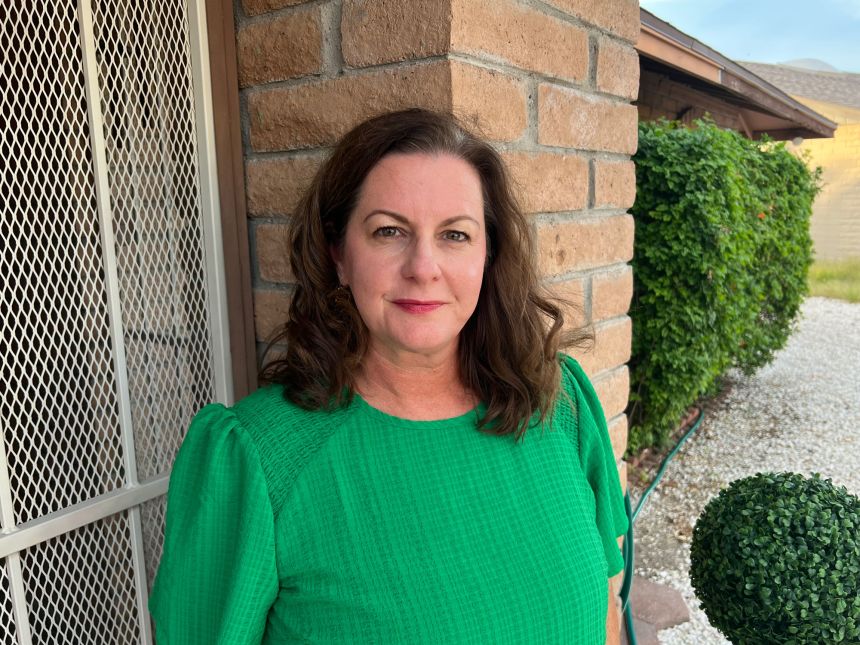
I was sipping my coffee and reading about Patrice De La Ossa, who sold her home in Phoenix to help her son avoid student loans by moving to Tucson, closer to the University of Arizona. Bless her heart, she thought she was making a smart move, but it’s turned out to be a costly one. She gave up a 2.25% mortgage for a 6.8% loan, thinking rates would fall soon enough, and she could refinance into a more manageable monthly payment.
Folks, it’s been over four years, and De La Ossa is still paying that 6.8% rate. She’s not alone, either. According to a Redfin analysis, more homeowners now have a mortgage rate above 6% than below 3%. The average 30-year fixed mortgage rate has been hovering above 6% for four years, and homebuyers who took out mortgages during that time may have expected rates to fall by now, allowing them to refinance into cheaper loans. Instead, they’re stuck with high interest payments.
De La Ossa pays nearly $900 more per month for her mortgage than she did for her Phoenix home, even though the two loans are almost identical. The difference between a 3% mortgage rate and a 6% mortgage rate is hundreds of thousands of dollars in interest payments over the life of the loan. She’s frustrated by how much of her monthly payment goes toward interest, especially since she’s still paying off her PhD student loans. If mortgage rates don’t fall enough for her to refinance soon, De La Ossa said she may have to consider moving.
There was a brief window of hope this year when mortgage rates drifted lower, but then the US and Israel launched joint strikes on Iran, and rates reversed course. On Thursday, the average 30-year mortgage rate reached 6.71%, a new high for the year, according to Freddie Mac. Many financial advisers say refinancing a home loan is worth the cost if you can lower your interest rate by at least one percentage point. However, with current rates, it doesn’t make sense for most mortgage holders to refinance unless they’re in very specific situations, such as needing to consolidate credit card debt or fund a home renovation.
The phrase “date the rate, marry the home” used to be common among housing professionals, but now it feels outdated. Buyers should go into a home purchase expecting to live with the mortgage rate they get, according to Mary Lee Blaylock, president of Coldwell Banker Affiliates. For David Belmonte, an entrepreneur who owns a masonry business in East Moriches, New York, his mortgage rate has become even harder to stomach as his business has been battered by uncertainty surrounding immigration crackdowns. He had counted on being able to refinance once mortgage rates came down, but instead, he’s found himself struggling to make the payments on the loan he already has.
In conclusion, it’s clear that many homeowners are stuck with high mortgage rates, and refinancing isn’t a viable option for most. De La Ossa and Belmonte’s stories are just a couple of examples of how this is affecting real people. As I finish my coffee, I’m left thinking that maybe I should start a support group for folks stuck with high mortgage rates – we could call it “Mortgage Rate Anonymous” and have meetings where we all commiserate about our high interest payments. 🙄

Armchair patriot. Believes in the free market, cold beer, and that there’s always a guy named George behind every CNN segment.
Former remote-throwing champion turned #1 couch commentator on liberal panic in the media. Born in Texas (or so his mug says), he earned a degree in Fake Newsology & Beer Philosophy from YouTube University.
⚖️ ENTER THE LEGALIZER
Think the government has no idea what it's doing? Put your case before the Federal Case Terminal and find out.