
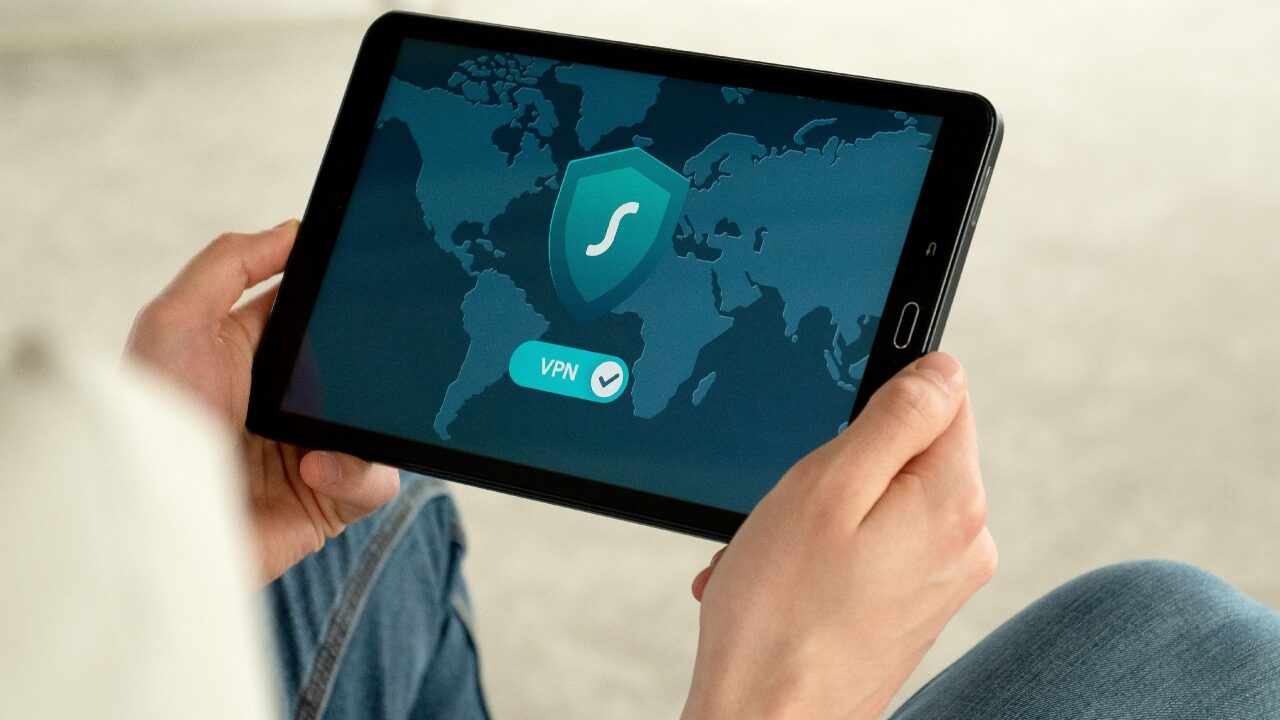
So, you want to know if using a VPN will turn your streaming experience into a pixelated mess? Well, let me tell you, it’s not a simple yes or no answer. But don’t worry, I’ve got the lowdown on how VPNs can affect your internet speed, and what you can do to keep your streams smooth and your data secure.
When it comes to streaming, connection speed is everything. We’ve all been there – waiting for what feels like an eternity for a video to buffer, or watching in frustration as our favorite show freezes at the worst possible moment. But what if I told you that using a VPN doesn’t have to be a speed-killer? With the right setup and configuration, you can secure your web traffic without sacrificing your viewing experience.
First, let’s talk about the bottlenecks that can cause VPNs to reduce speed. There are three main culprits: encryption overhead, physical distance, and server load. Encryption adds a bit of processing power to scramble your data, making it harder for outsiders to intercept. But don’t worry, newer protocols like WireGuard are designed to minimize this overhead. Physical distance is another story – if you’re connecting to a server on the other side of the world, your data has to travel a long way, which can lead to higher latency and slower speeds. And then there’s server load – if too many users are trying to connect to the same server at the same time, it can get congested and slow down your connection.
The Playbook: What Matters Most for Fast Streaming
So, how can you optimize your VPN setup for fast streaming? First, choose your protocol wisely. WireGuard is currently the industry favorite for its lightweight codebase and minimal processing overhead. OpenVPN is another reliable option, but it can be a bit slower. Next, know your base internet speed – if you’re starting with a slow connection, a VPN won’t magically make it faster. And finally, use a quick troubleshooting checklist to identify any issues – try switching to a different server, updating your protocol, or hardwiring your setup.
The Exceptions: When a VPN Actually Helps Streaming
But here’s the thing – in some cases, a VPN can actually improve your streaming speeds. If your ISP is throttling your bandwidth, a VPN can mask your traffic patterns and bypass those restrictions. And if your ISP is routing your traffic through congested or inefficient local data pathways, a VPN can provide a more direct and stable route.
The Buyer’s Guide: Choosing a Streaming-Focused VPN
So, what should you look for when choosing a VPN for streaming? Prioritize server network size, protocol support options, and unmetered connections without hidden bandwidth caps. And don’t forget to check for native, optimized apps for your devices – whether it’s a smart TV, phone, or desktop.
In conclusion, using a VPN doesn’t have to be a speed-killer. With the right setup and configuration, you can secure your web traffic without sacrificing your viewing experience. So go ahead, stream away – and remember, a minor dip in speed is a small price to pay for protecting your personal data from unwanted surveillance. Now if you’ll excuse me, I’ve got a stream to catch – and I’m not going to let any pesky ISP throttling get in my way!

Pixel P. Snarkbyte, widely regarded as the “Shakespeare of Sh*tposts,” is a video game expert with a unique knack for turning pixels into punchlines.
Born in the small town of Respawn, Pennsylvania, Pixel grew up mashing buttons on an ancient NES controller, firmly believing that “blowing into the cartridge” was a sacred ritual passed down through generations.
Pixel P. Snarkbyte: proving that life, much like a buggy open-world game, is better with a little lag-induced chaos.