Folks, I almost spilled my coffee reading this one. A US hedge fund, Situational Awareness, has had a wild ride, going from a 400% gain this year to needing a bailout from a larger rival. The fund’s founder, Leopold Aschenbrenner, a former OpenAI researcher with no professional investing experience, was apparently all in on the AI trend. Bless their hearts, they thought they had a sure thing. The fund invested heavily in tech stocks, using borrowed money to amplify their bets, which worked great until the market turned sour.
The situation is a cautionary tale about the risks of leverage and concentration in the stock market. When the market is going up, it’s easy to get caught up in the excitement and borrow money to invest, but when the mood sours, it can end in disaster. Situational Awareness found itself facing margin calls from lenders and was forced to sell its public holdings to a rival hedge fund, Citadel.
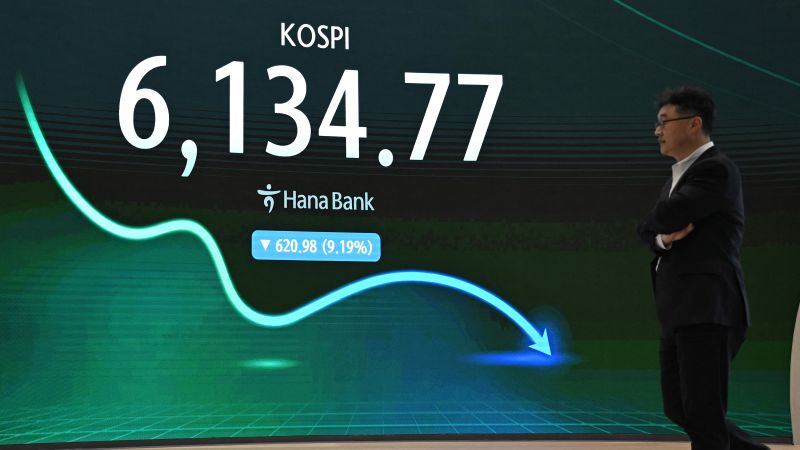
The story is not unique to the US, as South Korea’s market has also been experiencing wild swings, with the Kospi index surging 116% from the start of the year to its peak on June 22, only to drop 28% since then. The use of leverage is widespread in South Korea, and the market has been prone to circuit breakers, with nine trips this year alone. The South Korean finance ministry has introduced new restrictions on single-stock leveraged ETFs to try to cool the frenzy.
The volatility in South Korea has had a ripple effect on US markets, with the PHLX Semiconductor Index, a benchmark that tracks 30 chip stocks, surging 90% in the second quarter before tumbling more than 20% in July. Just a few weeks ago, Situational Awareness and its founder were riding high, with a core investing thesis centered on the belief that AI demand would continue to grow. However, the fund’s holdings, including memory chip makers SK Hynix and Sandisk, and AI cloud provider Nebius, suffered huge market losses in recent weeks.
Aschenbrenner didn’t immediately respond to a request for comment, which is probably wise, given the circumstances. The situation is a reminder that leverage can be a double-edged sword, amplifying gains when the market is going up, but also amplifying losses when it turns down.
Somewhere in Atlanta, a producer thought this sounded terrifying, but it’s not necessarily a sign of collapse. Leverage in the stock market is nothing new, and prior bubbles and crashes were also exacerbated by trading on the margin. The S&P 500 is less than 3% away from a record high, so it’s possible that this is just a shaky moment that the market will recover from. Risky bets tend to get exposed in these moments, and it’s likely that the market will bounce back.
In conclusion, the story of Situational Awareness is a cautionary tale about the risks of leverage and concentration in the stock market. While it’s not necessarily a sign of collapse, it’s a reminder to be careful when investing and not to get caught up in the excitement of a rising market. And that’s a lesson we can all learn from, with a healthy dose of skepticism and a strong cup of coffee. After all, you can’t make this stuff up, and I’m just glad I didn’t invest in Situational Awareness – my coffee budget would be in trouble!

Armchair patriot. Believes in the free market, cold beer, and that there’s always a guy named George behind every CNN segment.
Former remote-throwing champion turned #1 couch commentator on liberal panic in the media. Born in Texas (or so his mug says), he earned a degree in Fake Newsology & Beer Philosophy from YouTube University.
⚖️ ENTER THE LEGALIZER
Think the government has no idea what it's doing? Put your case before the Federal Case Terminal and find out.