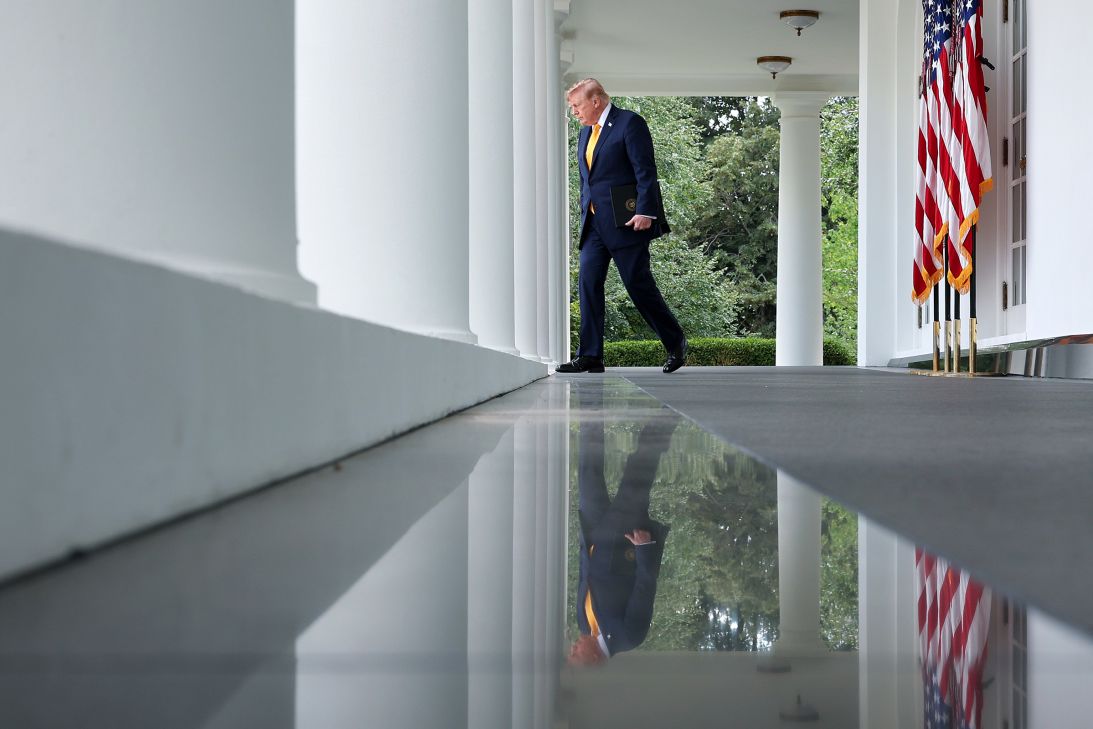
Folks, I almost spilled my coffee reading this one. The idea that a protectionist agenda is a guaranteed pathway to building support among working-class voters has been turned on its head. President Donald Trump’s confrontational trade agenda, which includes imposing tariffs on a wide range of products from many countries, has not been well received by voters, even in heavily blue-collar states and House districts. In fact, polls consistently show that far more Americans believe the tariffs have hurt rather than helped their financial bottom line.
It’s interesting to note that Trump has pursued the most confrontational trade agenda of any president since at least William McKinley at the end of the 19th century, and by some historians’ estimation, even Thomas Jefferson around the beginning of the 19th century. But despite this, Democrats have been comfortable running against the Trump tariffs, while Republicans have struggled to defend them.
The article mentions that even Democrats who are deeply skeptical of free trade agreements, like Ohio Senate candidate Sherrod Brown and ironworker Brian Poindexter, have been unreserved in condemning the Trump tariffs. This is significant, as it shows that the politics of trade have shifted, and that even those who might be expected to support protectionist policies are not on board with Trump’s approach.
Douglas Holtz-Eakin, president of the American Action Forum, notes that “everyone else talked about it, but Trump did it,” and that voters are essentially saying “no thanks.” This sentiment is echoed by Stanley Greenberg, a longtime Democratic pollster, who says that Trump’s hardline approach on trade contributed to his 2016 breakthroughs in battered blue-collar communities, but that the receptivity to tough trade measures has been “completely blown away” by the current period of inflation.
The article also highlights the fact that Trump’s tariffs have been imposed in a way that has jumped up prices, making it harder for voters to supports them. As Greenberg notes, “he’s decided to do these tariffs in such a way that jumped up prices … at a time of unbelievable anger about the high cost of living.” This has led to a situation where even supporters of protectionist policies, like Alan Tonelson, agree that the tariffs have not been effective in practice.
In conclusion, the article suggests that Trump’s protectionist agenda has not been successful in practice, and that the politics of trade have shifted in a way that makes it difficult for Republicans to defend the tariffs. As William Galston, a senior fellow at the Brookings Institution, notes, “even if it’s absolutely the right thing to do, it’s really, really hard to persuade people who are responding to the upfront costs.” Ultimately, it seems that Trump’s tariffs have been a flop on the campaign trail, and that Democrats may be able to recover some ground in blue-collar and rural places as a result. And that’s a pretty funny turn of events, if you ask me.
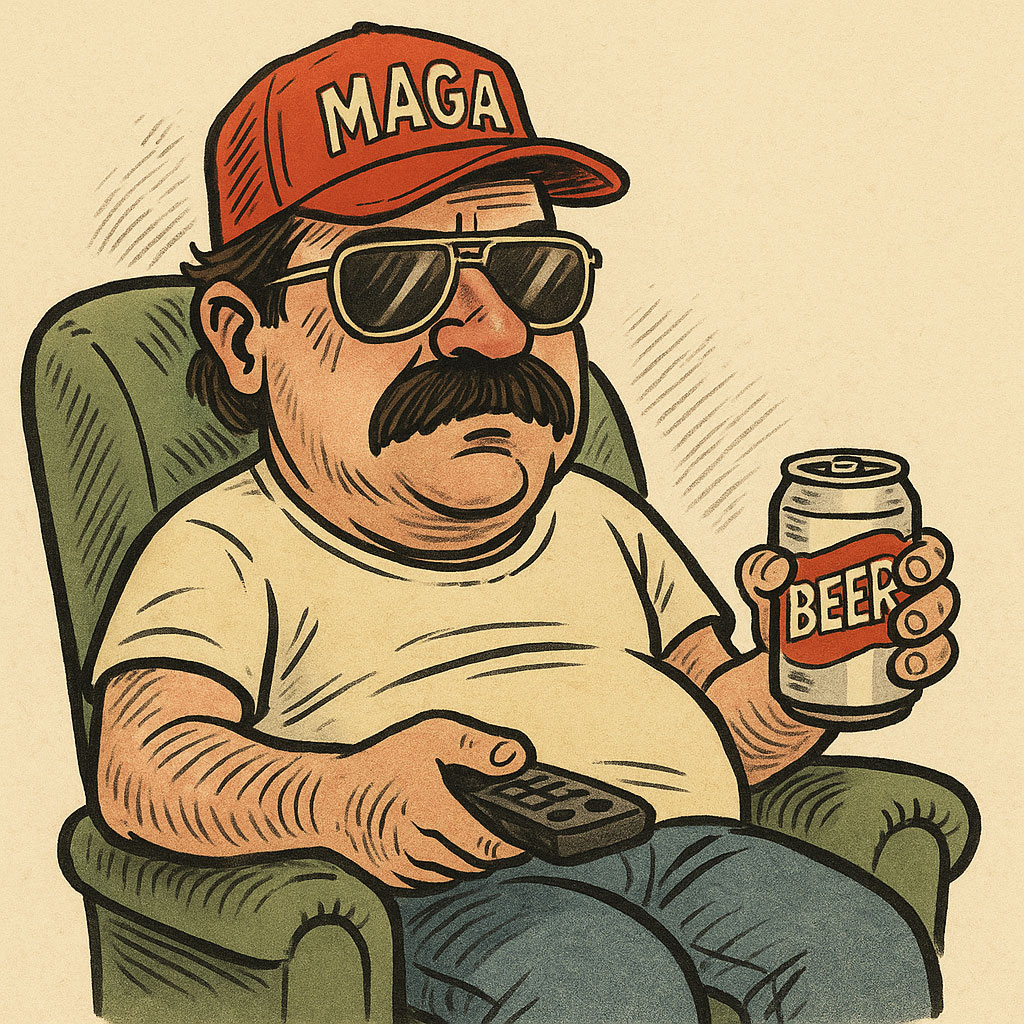
Armchair patriot. Believes in the free market, cold beer, and that there’s always a guy named George behind every CNN segment.
Former remote-throwing champion turned #1 couch commentator on liberal panic in the media. Born in Texas (or so his mug says), he earned a degree in Fake Newsology & Beer Philosophy from YouTube University.
⚖️ ENTER THE LEGALIZER
Think the government has no idea what it's doing? Put your case before the Federal Case Terminal and find out.