Let’s talk about the age-old question: how do you want to be nickel-and-dimed by game publishers? Do you prefer the upfront cost of a premium game, or the gradual drain on your wallet that comes with free-to-play titles? As a seasoned gamer, I’ve seen it all – from the glorious days of cartridge-based games to the current live-service trend that seems to prioritize profits over player experience. And let me tell you, it’s a wild ride.
Daily rewards are just one of the many ways digital entertainment platforms try to keep you hooked. Social casinos, for example, offer daily login bonuses to eligible users, because what’s a better way to start your day than with a dose of virtual slot machines? And of course, similar reward systems have made their way into video games, because who needs a social life when you can have a daily quest to complete? The value of these rewards depends on whether they enhance your gaming experience or create a sense of obligation to log in and spend money.
What Makes Free-to-Play Games Appealing?
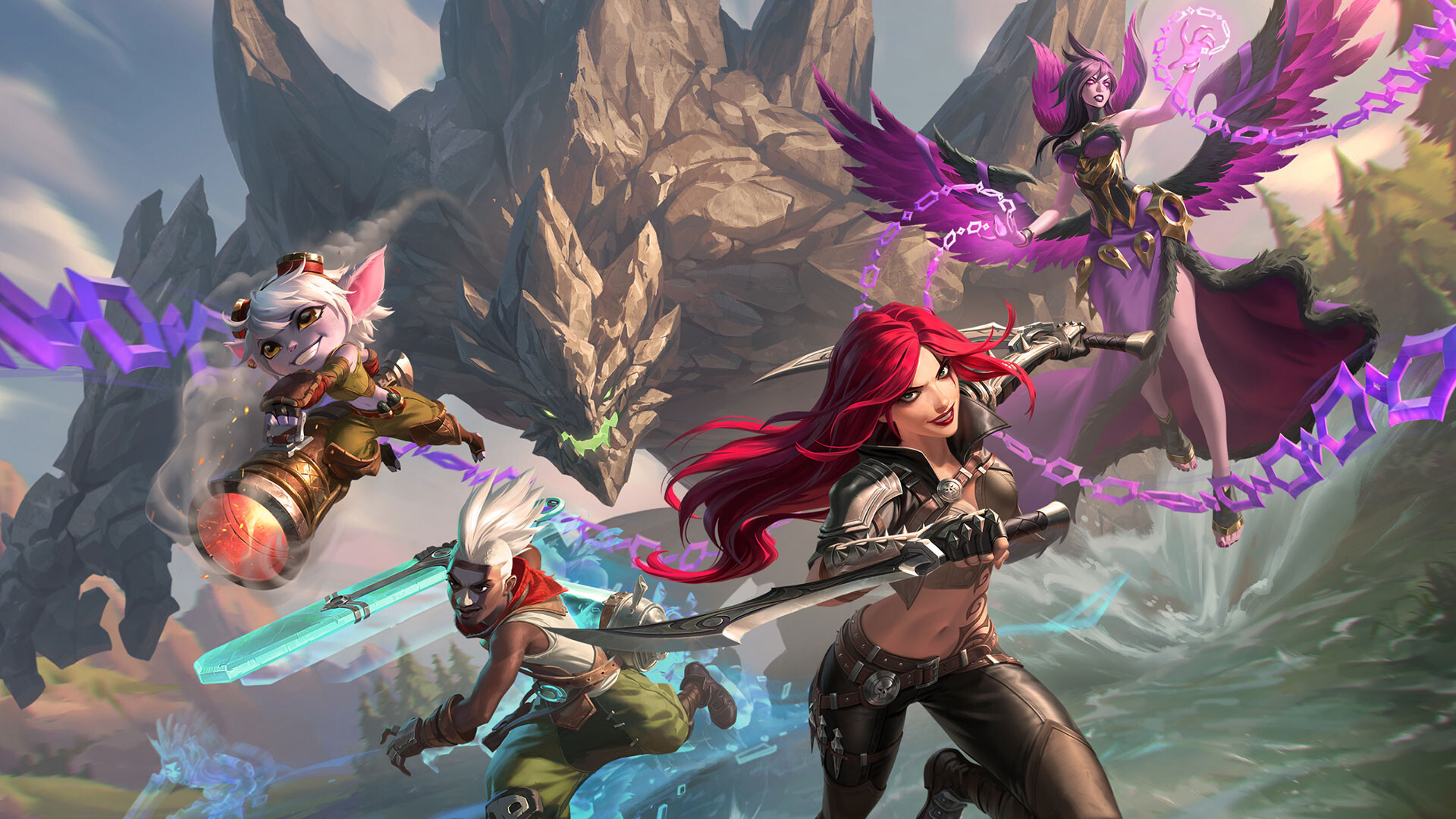
Free-to-play games like Fortnite, League of Legends, and Warframe let you try the core experience without buying the game first. This is great for exploring new genres, playing with friends, or just testing the waters to see if a game is a good fit. The challenge lies in how these games earn money – optional purchases can support regular updates, but monetization becomes frustrating when it interferes with fair progression. Players should pay attention to what each purchase actually offers, whether it’s cosmetic items, battle passes, or randomized rewards.
Why Premium Games Can Offer Better Value
Premium games, on the other hand, require an upfront payment, giving players a clearer idea of what they’re buying. Titles like Baldur’s Gate 3 and Elden Ring build their appeal around exploration, character development, and substantial single-player experiences. Paying once doesn’t guarantee quality, however – some premium releases need technical fixes, and expansions or cosmetic purchases can increase the final cost. Before buying, consider what’s included in the base price, the total cost, replay value, and refund policy.
What Matters Most to Players?
According to the Entertainment Software Association’s Power of Play: 2025 Global Video Games Report, 66% of players play for fun, and 58% cite stress relief or relaxation. These results don’t prove that one payment model is better, but they highlight what both should deliver: an enjoyable experience. Players can use practical questions to judge whether a game offers good value, such as whether spending affects fairness, progression respects their time, and the price is worth the experience.
Which Model Offers the Better Player Experience?
Ultimately, neither model wins by default. Free-to-play games offer easy access and let players decide whether to spend, while premium games provide a clearer upfront commitment and can deliver focused, complete experiences. Hybrid models combine a purchase price with optional extra content, so players still need to check what’s included. Fair monetization matters more than the payment model itself – a free game can offer hundreds of enjoyable hours, while an expensive release can disappoint. The better choice is the game that respects players’ time, delivers on its promises, and makes spending optional rather than essential.
As I conclude this rant, I’m reminded of the wise words of a fellow gamer: “The only thing more exhausting than playing a live-service game is trying to keep up with its endless stream of updates, battle passes, and DLCs.” Indeed, the world of gaming has become a complex web of monetization strategies and corporate PR, but at the end of the day, it’s all about the experience. So, go ahead, try out that new free-to-play game, or splurge on a premium title – just don’t say I didn’t warn you about the impending doom of your wallet.

Pixel P. Snarkbyte, widely regarded as the “Shakespeare of Sh*tposts,” is a video game expert with a unique knack for turning pixels into punchlines.
Born in the small town of Respawn, Pennsylvania, Pixel grew up mashing buttons on an ancient NES controller, firmly believing that “blowing into the cartridge” was a sacred ritual passed down through generations.
Pixel P. Snarkbyte: proving that life, much like a buggy open-world game, is better with a little lag-induced chaos.
⚖️ ENTER THE LEGALIZER
Think the government has no idea what it's doing? Put your case before the Federal Case Terminal and find out.