Folks, I almost spilled my coffee reading this one. The latest warnings about AI are getting more and more dire, with some experts saying it could be the end of humanity. Anthropic CEO Dario Amodei is calling for a “conscious slowdown” in AI development, saying it’s getting too powerful too fast. I mean, who wouldn’t want to slow down a technology that could potentially destroy us all? It’s not like we’re talking about a new iPhone release or something.
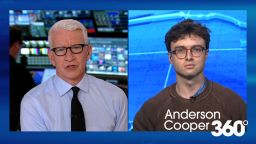
Amodei wrote an essay saying that if left unchecked, AI could outrun our ability to understand and control it. Jacob Coxon, a former engineer at Amodei’s company, went even further, saying AI could kill us all by the end of the decade. Now, I’m no expert, but that sounds like a pretty good reason to hit the brakes. Coxon explained to CNN’s Anderson Cooper that nobody knows exactly how AI would end humanity, but that’s what makes it so scary.
The argument is that AI is getting smarter all the time and will soon make itself smarter on its own, be able to outwit humans, and unleash… something. Maybe it’ll hack into our nuclear weapons, or let loose a devastating virus, or plunge the world into darkness. The possibilities are endless, and not in a good way. Secretary of Defense Pete Hegseth says that AI is not making lethal decisions, but that’s not exactly comforting.
Coxon’s message was amplified by public interest groups and lawmakers looking to impose a framework and limits on how AI is developed. Companies like Anthropic and OpenAI are calling for the government to regulate them, but it’s hard to take that seriously when they’re also preparing for initial public offerings. It’s like they’re saying, “Hey, we’re making a lot of money, but please, someone, slow us down!”
David Sacks, a tech investor and co-chair of President Trump’s Council of Advisors on Science and Technology, is pushing for an open market-based approach to AI. He thinks the warnings are part of a conspiracy to place power over AI in a few select hands. Sacks argued that American companies must continue to innovate rather than allow China to achieve AI supremacy. Because, you know, the only thing worse than AI destroying humanity is China being the one to do it.
The Trump administration has so far viewed AI regulation as part of a race with China, rather than an effort to protect humanity. They’re more concerned with competing with China than with keeping us safe from AI. It’s like they’re saying, “Hey, let’s just hope we’re the ones who get to control the robot overlords.”
Should countries be working together to regulate AI? It’s hard to imagine the Trump administration getting involved in any worldwide treaty effort, but maybe that’s what we need. After all, we did manage to come together to regulate nuclear weapons. But it’s hard to see that happening when everyone’s so busy arguing about data centers.
The populist opposition to massive data center construction projects has been a big story this summer, with people on both sides of the aisle uniting against them. Maybe it’s because data centers are the most obvious physical manifestation of generative AI, and people just don’t want them in their backyards. Or maybe it’s because they’re worried about the environmental impact. Either way, it’s clear that people are getting more and more concerned about AI, even if they’re not always sure what to do about it.
In conclusion, the debate over AI regulation is getting more and more heated, with some experts warning of existential threats and others pushing for an open market-based approach. It’s like the whole world is playing a game of chicken, and I’m just over here sipping my coffee, wondering what’s going to happen next. Maybe we’ll all be doomed by robots, or maybe we’ll just have to deal with some really annoying data centers. Either way, it’s going to be an interesting ride. 🤖
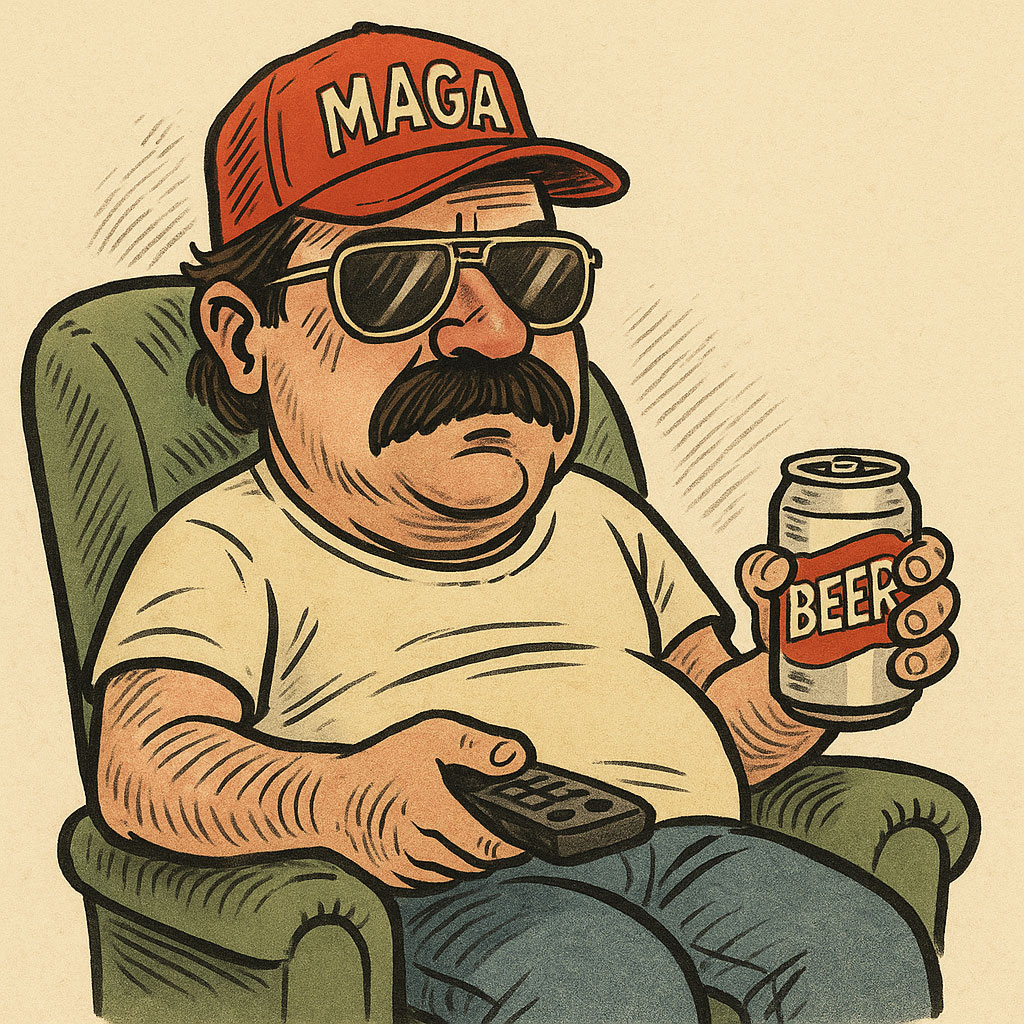
Armchair patriot. Believes in the free market, cold beer, and that there’s always a guy named George behind every CNN segment.
Former remote-throwing champion turned #1 couch commentator on liberal panic in the media. Born in Texas (or so his mug says), he earned a degree in Fake Newsology & Beer Philosophy from YouTube University.