Well, folks, it looks like China’s economy is having a bit of a rough time, and I’m not just talking about the Great Wall’s maintenance costs. According to China’s National Bureau of Statistics, the economy grew at a slower-than-expected pace in the second quarter of the year, with a growth rate of 4.3% compared to the same period last year. I almost spilled my coffee reading this one, not because it’s shocking news, but because I was expecting a stronger performance from the world’s second-largest economy.
The figures fell short of expectations for 4.5% growth, and it’s a rare admission of economic weakness for China, which has long worked to prop up industrial activity with infrastructure investment and exports. China’s target for 4.5-5% expansion this year is the lowest since Beijing started announcing such figures in the early 1990s. You can’t make this stuff up – it’s like they’re trying to make the US economy look good by comparison.
The weaker economic data is a sign that sluggish consumption at home is outweighing recent strength in Chinese exports, and the nation is not immune from the economic turmoil caused by the war in Iran. A slowdown in the housing sector and a difficult job market have made Chinese consumers reluctant to spend, even as the economy has expanded at a relatively steady clip. Somewhere in Atlanta, a producer thought this sounded terrifying, and now CNN is running headlines that make it sound like the sky is falling.
China’s exports in the second quarter surged 27%, exceeding analyst expectations off strong trade in semiconductors and computer parts. But despite growing international demand for Chinese goods, domestic consumption remains a critical weak spot in the nation’s economic development. The divergence underscores an increasingly pronounced “two-track economy” in China – advanced technologies are powering its thriving export engine, while demand for everyday goods stagnates at home.
The International Monetary Fund wrote in its July report that the possibility of renewed Middle East conflict looms large and could extend commodity price volatility, further threaten supply chains, raise prices, and weigh on financial conditions. Earlier this month, the IMF upgraded its growth forecast for China this year from 4.4% to 4.6% off its strength in high-tech manufacturing and exports. Meanwhile, the financial organization revised its global growth outlook down from 3.1% to 3.0%.
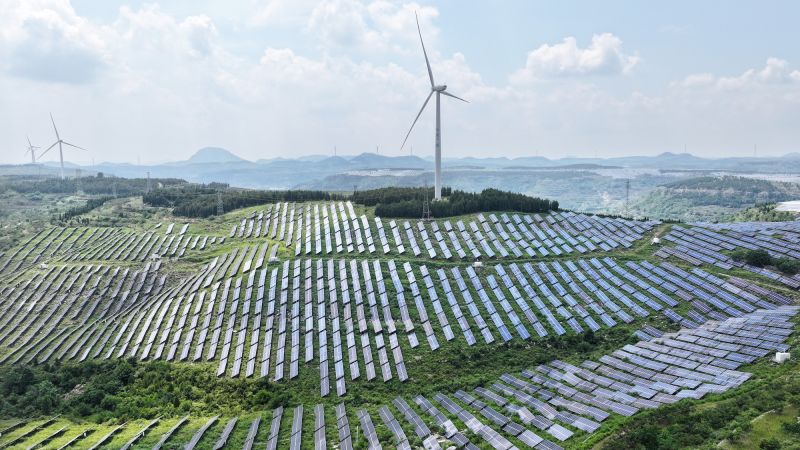
China’s energy resilience and its ability to quickly and cheaply produce goods for other nations have helped buffer some of the economic impact from the war in Iran. As massive investments in artificial intelligence and data centers have spurred demand for computing hardware, Chinese manufacturers are capitalizing on the opportunity. However, without strong spending activity at home, a heavy reliance on exports makes China particularly vulnerable to a reversal in AI sentiment, which would hit sales of high-tech products.
A recent thaw in US-China relations after President Donald Trump visited Beijing in May could pave the way for more trade and investment between the two nations. Outbound shipments to the US rose 26% year-on-year in June, one month after notching the fastest pace since early 2021. It’s a fascinating development, and I’m eager to see how this plays out.
In conclusion, China’s economic struggles are real, but it’s not all doom and gloom. With the right policies and a bit of luck, China can get back on track and continue to be a major player in the global economy. And who knows, maybe one day they’ll even figure out how to make their consumers spend more money at home. Bless their hearts, it’s a tough job, but someone’s gotta do it. As I finish my coffee, I’m left thinking that China’s economy is like a complex puzzle – it’s got its challenges, but it’s also got a lot of potential for growth and innovation. 🙄
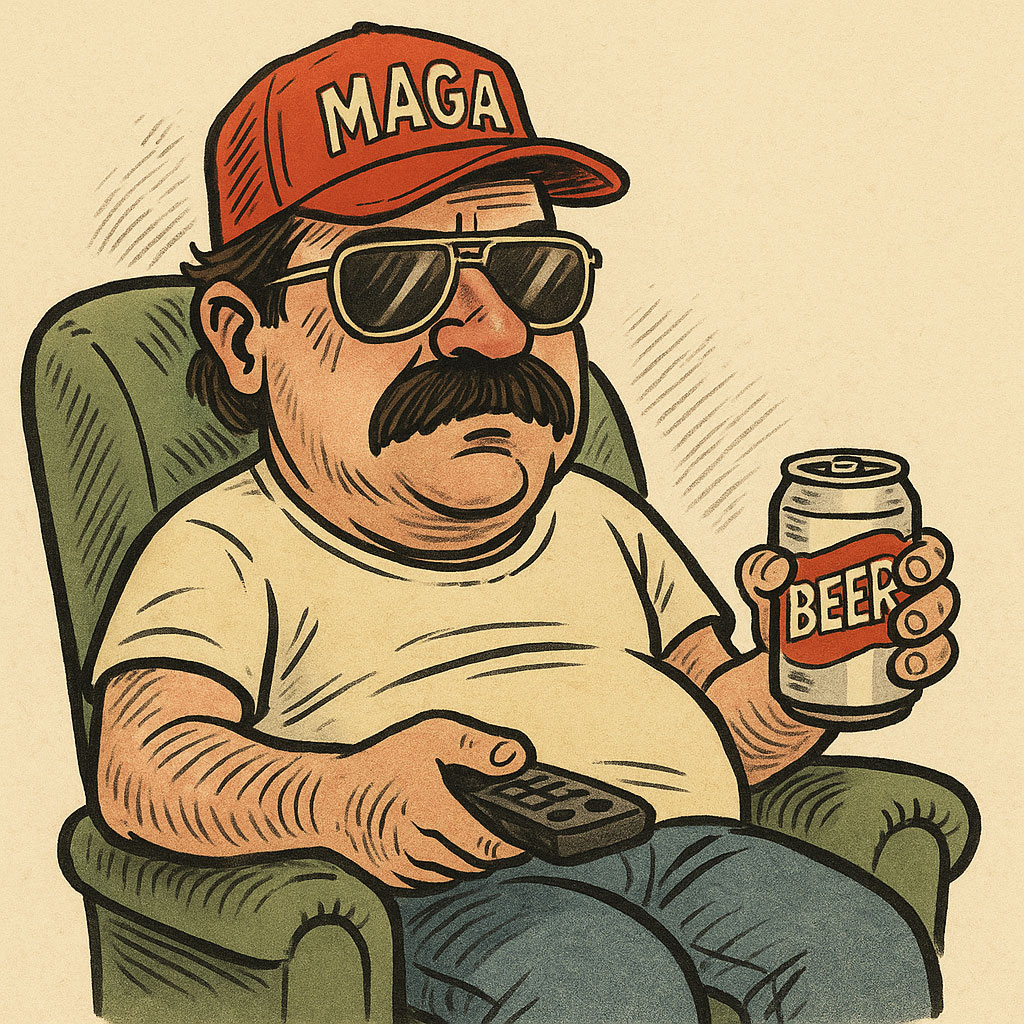
Armchair patriot. Believes in the free market, cold beer, and that there’s always a guy named George behind every CNN segment.
Former remote-throwing champion turned #1 couch commentator on liberal panic in the media. Born in Texas (or so his mug says), he earned a degree in Fake Newsology & Beer Philosophy from YouTube University.