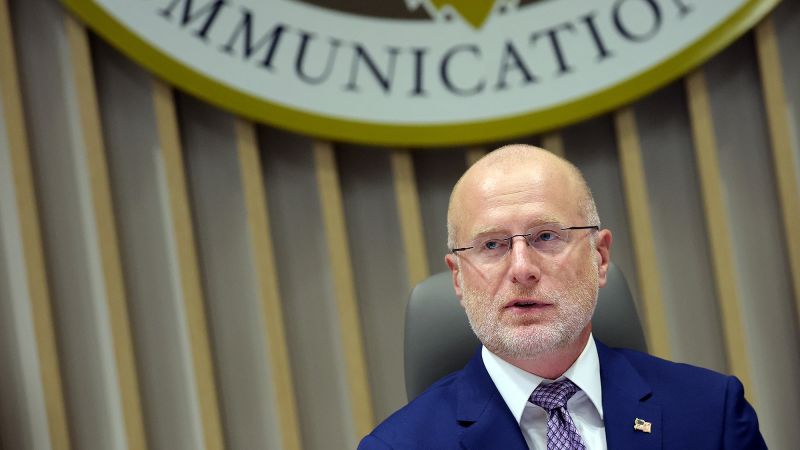
Folks, I almost spilled my coffee reading this one. The FCC voted to remove the cap on TV station ownership in the US, and I’m not sure what’s more surprising, the fact that they did it or that it’s going to lead to a whole lot of lawsuits. Supporters of the cap are already saying they’ll challenge the FCC’s action in court, arguing that only Congress has the authority to make such a change. Bless their hearts, they think they can stop this train from leaving the station.
The rule change will likely mean that big station group owners like Sinclair will buy up more TV stations, furthering a shift from local to national ownership. Because, you know, what we really need is more of the same old thing on our TVs. I mean, who needs local programming when you can have the same national news and shows everywhere? It’s not like we’re going to miss out on any unique perspectives or anything.
Thursday’s party-line vote repealed the national broadcast ownership rule, which bars a single company from reaching more than 39% of US TV households over the public airwaves. And let me tell you, this is going to be a wild ride. FCC chair Brendan Carr said the rule will be replaced by a “case-by-case review” process, giving him more power over deals involving local TV stations across the country. Because, you know, nothing says “local control” like a guy in Washington making all the decisions.
Carr said his intent is to support the local TV ecosystem and “stop hamstringing this one segment of the broader market with outdated restrictions.” Yeah, sure, that’s exactly what this is about. I’m not buying it, though. His critics say that’s just a cover story and that his real goal is to spur more media consolidation involving companies Donald Trump views as ideological allies and corporate cronies. You can’t make this stuff up, folks.
The repeal passed 2-1, with Carr and fellow Republican commissioner Olivia Trusty voting yes and the commission’s sole Democrat, Anna Gomez, voting no. Gomez defended the long-established cap as a “structural safeguard to preserve localism, viewpoint diversity, and competition.” Someone’s got to stand up for the little guy, right?
Ever since broadcast TV was invented, the US government has tried to promote those values by limiting the number of stations that a single company can own. For almost as long, ambitious station owners have tried to get the government to loosen up. It’s like a never-ending game of cat and mouse. In the 1980s, the FCC’s ownership cap was set at 12 stations reaching no more than 25% of TV households. In the 1990s, Congress got involved, removed the 12-station limit, and raised the cap to 35%. And now we’re here, with the cap being repealed altogether.
The executive and legislative branches have tangled over the issue for decades. When Carr announced last month that he was scheduling Thursday’s vote, Sen. Ted Cruz said, “I am skeptical a change can be made absent an act of Congress.” Democrats have gone further, with Sen. Elizabeth Warren saying, “Trump’s FCC Chair is trying to illegally rewrite the rules to make it easier for billionaires to line their own pockets while jacking up costs and controlling what Americans watch.” Somewhere in Atlanta, a producer thought this sounded terrifying.
At Thursday’s FCC meeting, Carr repeated his view that the ownership rule is outdated in the Big Tech age. In a pitch to Trump fans, he also called it a way to “restore balance to the broadcast airwaves.” Gomez said in a statement that “eliminating the cap does not free local broadcasters from economic pressure, it just changes who is doing the squeezing.” She’s got a point, folks. The large station groups positioned to grow even larger under this decision are not local broadcasters, they are national companies that own local stations and increasingly dictate what airs on them.
In conclusion, this whole thing is a mess, and I’m not sure what’s going to happen next. But one thing’s for sure: our TVs are going to be filled with even more of the same old stuff. And that’s just great. As I always say, you can’t have too much of a good thing, right? 🙄
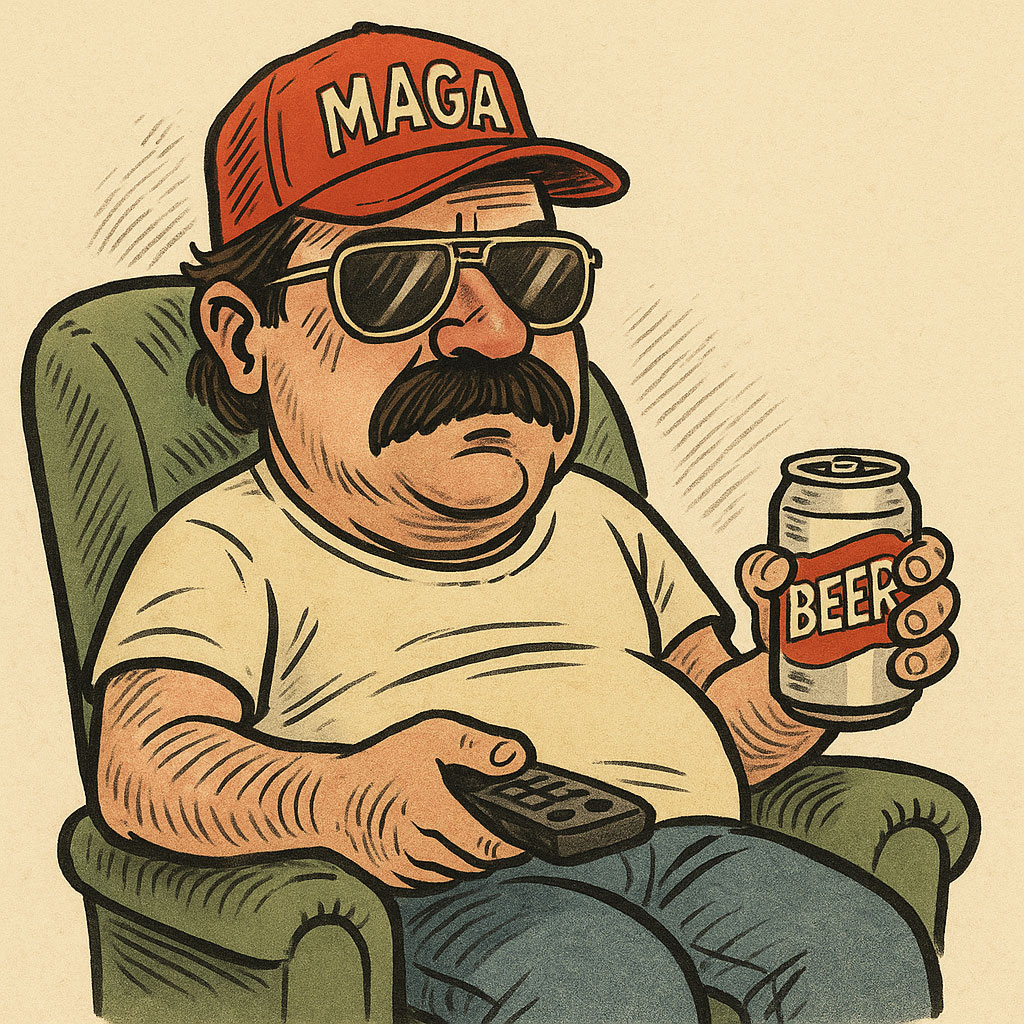
Armchair patriot. Believes in the free market, cold beer, and that there’s always a guy named George behind every CNN segment.
Former remote-throwing champion turned #1 couch commentator on liberal panic in the media. Born in Texas (or so his mug says), he earned a degree in Fake Newsology & Beer Philosophy from YouTube University.
⚖️ ENTER THE LEGALIZER
Think the government has no idea what it's doing? Put your case before the Federal Case Terminal and find out.