
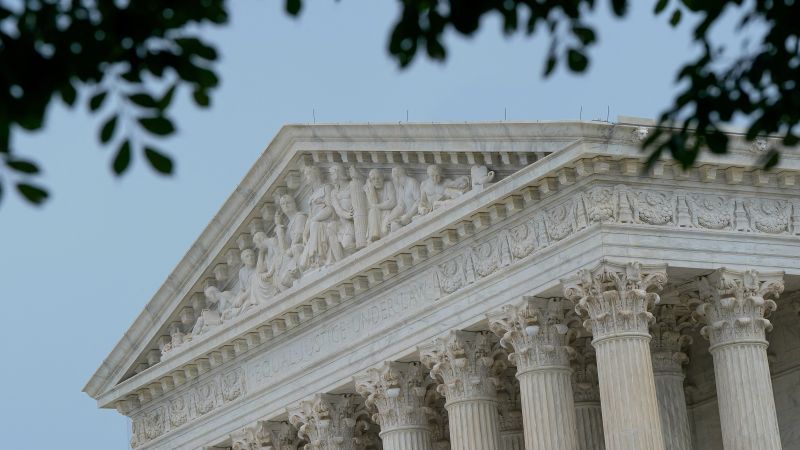
Folks, I almost spilled my coffee reading this one. The Supreme Court has allowed Texas to enforce a law that requires mobile app stores to verify the age of users and obtain parental consent for minors attempting to install programs on their phones. I mean, who doesn’t love a good game of “guess the age” when downloading apps? It’s not like kids are smart enough to find ways around this, right? Anyway, this law was enacted last year in response to concerns about online safety, and the computer industry and some students aren’t too thrilled about it, citing First Amendment violations.
Now, I’m no expert, but it seems like the Supreme Court sided with Texas without giving much explanation. No noted dissents, just a big ol’ stamp of approval. The court’s decision doesn’t resolve the case, but it does let Texas enforce the law while everything gets sorted out.
Apparently, Texas told the Supreme Court that when a minor downloads an app, they agree to all sorts of contractual terms, including whether their location will be tracked or their privacy will be protected. Bless their hearts, they think this law will keep kids safe online. On the other hand, the Computer & Communications Industry Association, which includes Apple and Google, says this law will effectively bar young people from accessing all sorts of content, like books or music. They claim it’ll have “profound consequences for the protection of digital speech.”
You can’t make this stuff up, folks. The Supreme Court allowed Mississippi to enforce a similar law last summer, and now Texas gets to join the party. Justice Brett Kavanaugh even wrote a brief concurrence saying the Mississippi law is “likely unconstitutional,” but hey, the internet companies didn’t sufficiently demonstrate they’d be harmed, so…
Texas’ law is actually broader, covering every app available, whereas the Mississippi law was more specific. Last year, the Supreme Court upheld a different Texas law that requires age verification for pornographic websites. Justice Clarence Thomas wrote the opinion for a 6-3 court, with the liberals dissenting. I guess that’s just the way the cookie crumbles sometimes.
In any case, a federal district court initially blocked the law’s enforcement in December, but a three-judge panel of the 5th US Circuit Court of Appeals put that decision on hold in early June. By declining to take up the emergency appeal, the Supreme Court has left the 5th Circuit’s decision in place. Somewhere in Atlanta, a producer thought this sounded terrifying, and now we get to enjoy the thrilling saga of age verification in Texas.
In conclusion, the Supreme Court has given Texas the green light to enforce its age verification law for mobile apps. While some folks think this will keep kids safe, others claim it’ll restrict access to all sorts of content. As I finish my coffee, I’m left wondering what’s next in this wild world of online regulations. I guess we’ll just have to wait and see how this all plays out – and maybe invest in some coffee stock, because it’s gonna be a long ride. 😊

Armchair patriot. Believes in the free market, cold beer, and that there’s always a guy named George behind every CNN segment.
Former remote-throwing champion turned #1 couch commentator on liberal panic in the media. Born in Texas (or so his mug says), he earned a degree in Fake Newsology & Beer Philosophy from YouTube University.
⚖️ ENTER THE LEGALIZER
Think the government has no idea what it's doing? Put your case before the Federal Case Terminal and find out.