The news that the United States and Iran are no longer openly at war is a pretty big deal, folks. I almost spilled my coffee reading this one. The fact that a week after President Donald Trump signed a memorandum of understanding in France to halt the fighting, we’re not seeing any more bombs dropping is a win in itself. Considering the half-century of hatred between Washington and Tehran, and the regional history of failed peace deals, this pause is a surprise. That is, in itself, a win that likely saved lives. Bless their hearts for managing to put their differences aside, at least for now.
The memorandum of understanding, a 14-point framework for talks on a permanent peace, has survived the suspicions of many US lawmakers that it enshrines an American defeat. You can’t make this stuff up – the fact that both sides are even talking is a miracle. The costs of plunging back into conflict now are prohibitive for both the US and Iran, especially with the midterms coming up and the economy already on shaky ground. Trump revealed last week that he’s not prepared to pay the economic price of more war, and why would Iran break the truce now when it’s getting an immediate flow of benefits without having to give up much of its core bargaining position?
The agreement may point to an off-ramp from the war, but it’s not a durable peace. It’s a classic Trumpian device to buy time while shelving tough political choices for later. Somewhere in Atlanta, a producer thought this sounded terrifying, but I think it’s just politics as usual. Still, benefits for both sides are rolling out, and that’s something to be optimistic about.
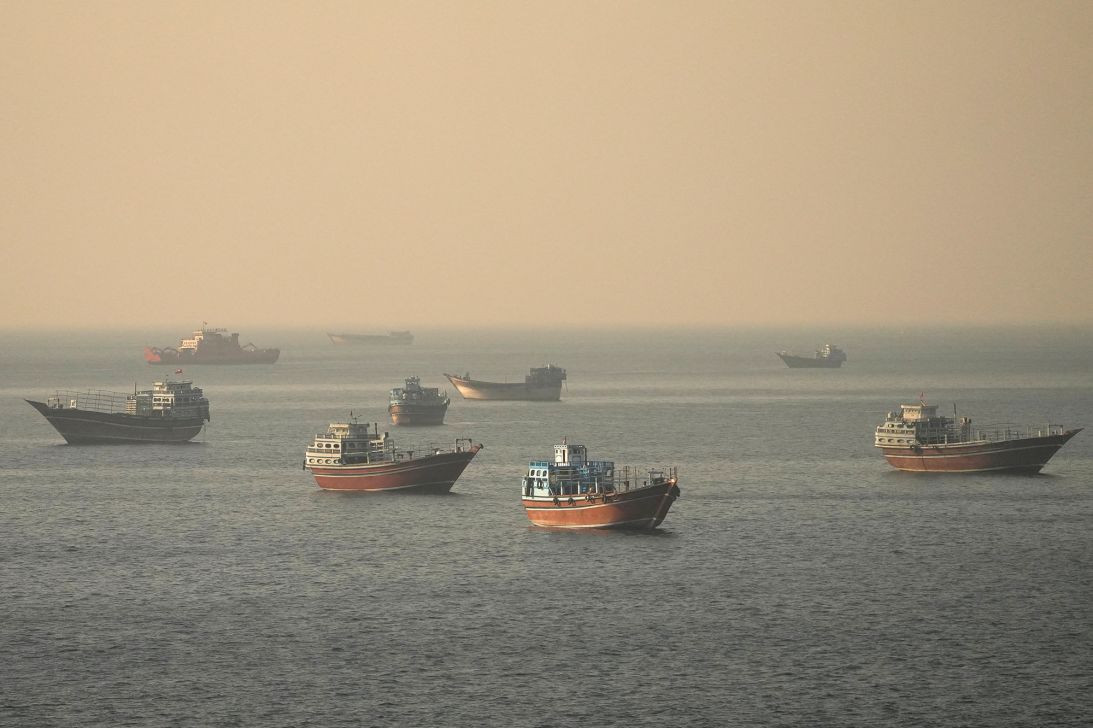
The Strait of Hormuz is open — mostly. Arguably, the United States’ most tangible benefit from the MOU comes from Iran reopening the strait. Vessel traffic through the strait has picked up dramatically in recent days, with 70 crossings on Wednesday, according to Kpler, which tracks activity using transponder and satellite data. That’s more than double Tuesday’s total, although still lower than the 100+ crossings typical before the war started. The strait isn’t fully reopen, though – Iran continues to require permits to travel along the northern corridor, and mines in the center restrict traffic to a single shipping lane that hugs the Omani coast.
Iran is selling oil again, although there’s yet scant evidence that it’s selling to anyone but China. It successfully exported 3.8 million barrels of oil from the Strait of Hormuz last week, immediately after the US agreed to end its naval blockade. Iran has insisted that it won’t agree to any long-term deal until it gains access to more than $100 billion of assets currently frozen in banks around the world. The MOU states that Iran’s frozen funds and assets will be made “fully available” for use by Iran’s central bank, but does not detail timing or scope.
The agreement could also establish a $300 billion investment fund, which could help the country rebuild. The details remain murky, but the investment fund would be financed privately and not by US taxpayers. Trump told reporters at the G7 meeting last week that other countries and financiers will be able to invest in rebuilding Iran’s economy, but he doubts foreign investors will have significant interest for quite some time.
The MOU requires the immediate and permanent halting of military operations on all fronts, including in Lebanon. But that country could be the deal’s most vulnerable pillar. Trump’s critics, especially in Israel, worry that the agreement effectively allows Iran to repair a proxy force diminished by months of Israeli pummeling. Israel does not consider itself bound by the deal, and past Israel-Hezbollah ceasefires in Lebanon have often failed.
In conclusion, the United States and Iran are no longer openly at war, and that’s a good thing. The Strait of Hormuz is open, and Iran is selling oil again. However, the agreement is not a durable peace, and there are still many challenges to come, including the inspections imbroglio and the situation in Lebanon. As I finish my coffee, I’m left thinking that this is a fragile peace, but it’s a start. And who knows, maybe one day we’ll look back on this and laugh – after all, it’s not like the Middle East is known for its stability or anything!
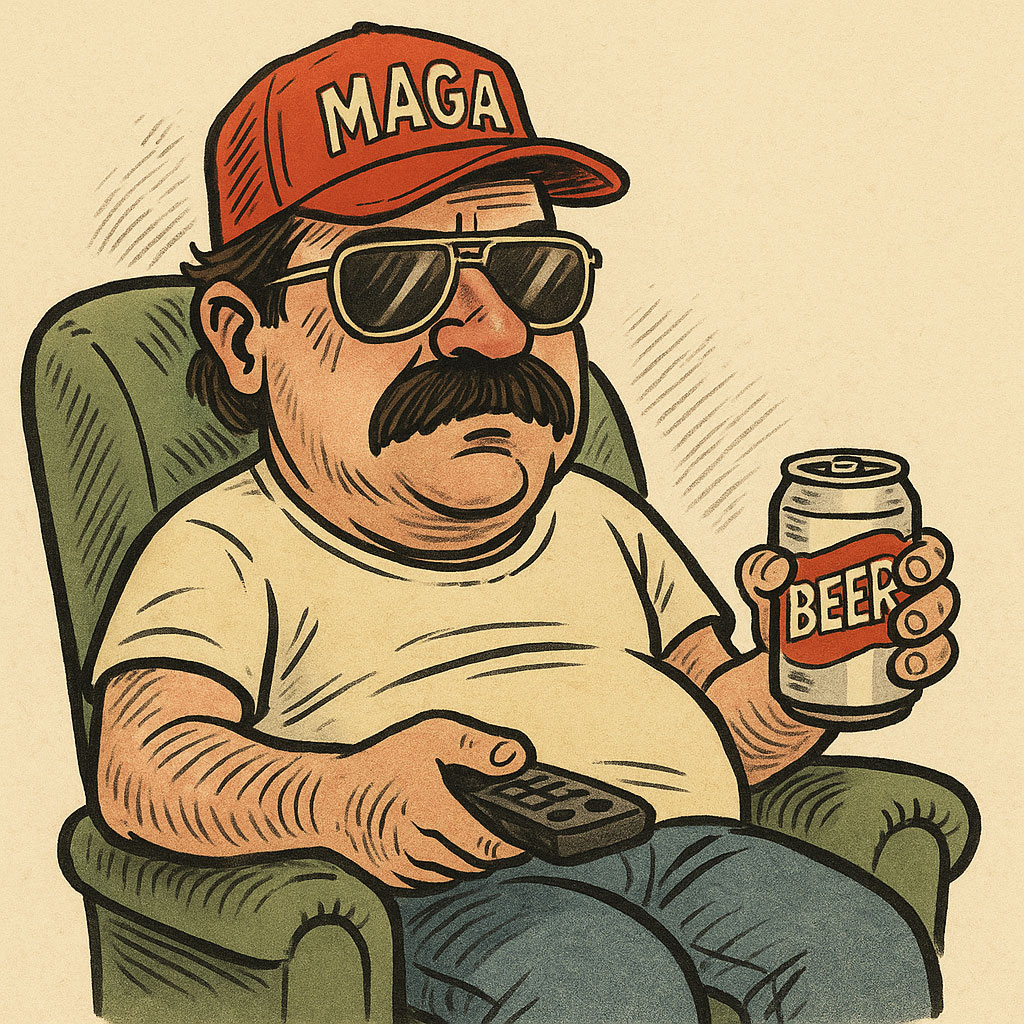
Armchair patriot. Believes in the free market, cold beer, and that there’s always a guy named George behind every CNN segment.
Former remote-throwing champion turned #1 couch commentator on liberal panic in the media. Born in Texas (or so his mug says), he earned a degree in Fake Newsology & Beer Philosophy from YouTube University.
⚖️ ENTER THE LEGALIZER
Think the government has no idea what it's doing? Put your case before the Federal Case Terminal and find out.