Folks, I almost spilled my coffee reading this one. It seems like the United States is experiencing a bit of a spiritual crisis. Adherence to organized religion is falling, but defenders of the religious right are gaining power in the Trump administration. I mean, what’s going on here? A report released by the Religious Liberty Commission, empaneled by President Donald Trump, suggests that the wall between church and state should be torn down, and more public money should be given to religious organizations. This is quite a statement, and it’s got me wondering what the future of religion in America holds.
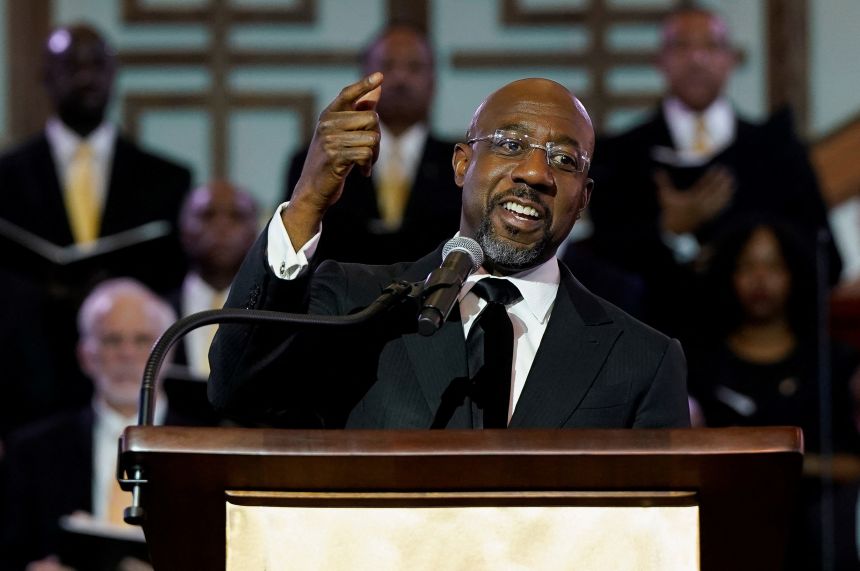
The report is quite interesting, and it highlights the differences between the religious right and the left. While some, like Vice President JD Vance, argue that America should be a Christian nation, others, like Senator Raphael Warnock, think that the government should do more to help those in need. Vance’s new book, “Communion,” explains his midlife Catholic conversion and how it has influenced his politics. On the other hand, Warnock’s book, “The Crooked Places Made Straight,” preaches a different view of faith-based politics.
Vance’s politics are explained by his conversion, and he argues for prioritizing families over GDP, limiting migration, and rejecting universal basic income. He also wants to involve religion in politics, but has criticized the Pope for calling out the Trump administration’s immigration crackdown and war on Iran. This is quite a complex issue, and it’s clear that there are different opinions on how religion should be involved in politics.
Warnock, on the other hand, thinks that Democrats need to reclaim the moral ground of faith. He has wondered aloud how leaders on the right can point to their Christian faith while also supporting policies that harm the poor and vulnerable. This is a valid question, and it’s one that many Americans are asking.
The MAGA movement has made the GOP more reactionary, and many people within the movement envision a world where the US is identified more as a Christian nation with conservative Christian goals. However, the data shows that most Americans still prefer religious diversity, and many are shedding religious labels due to dissatisfaction with their faiths’ approach to LGBTQ issues and women’s rights.
In the next ten years, Deckman predicts that the number of people, particularly women, who do not practice a religion will continue to rise. Young women are leaving organized religion due to various reasons, including dissatisfaction with their faiths’ approach to LGBTQ issues and women’s rights. This is a significant shift, and it’s one that will likely have a big impact on the future of religion in America.
As I finish my coffee, I’m left wondering what the future holds for religion in America. Will we see a decline in religious affiliation, or will there be a resurgence of faith? One thing is for sure – the intersection of religion and politics is a complex issue, and it’s one that will continue to shape our country’s future. And who knows, maybe houses of worship will become the place where people can have meaningful interactions and find a sense of community in a world that’s becoming increasingly isolated. That’s a pretty interesting thought to ponder over my next cup of coffee.
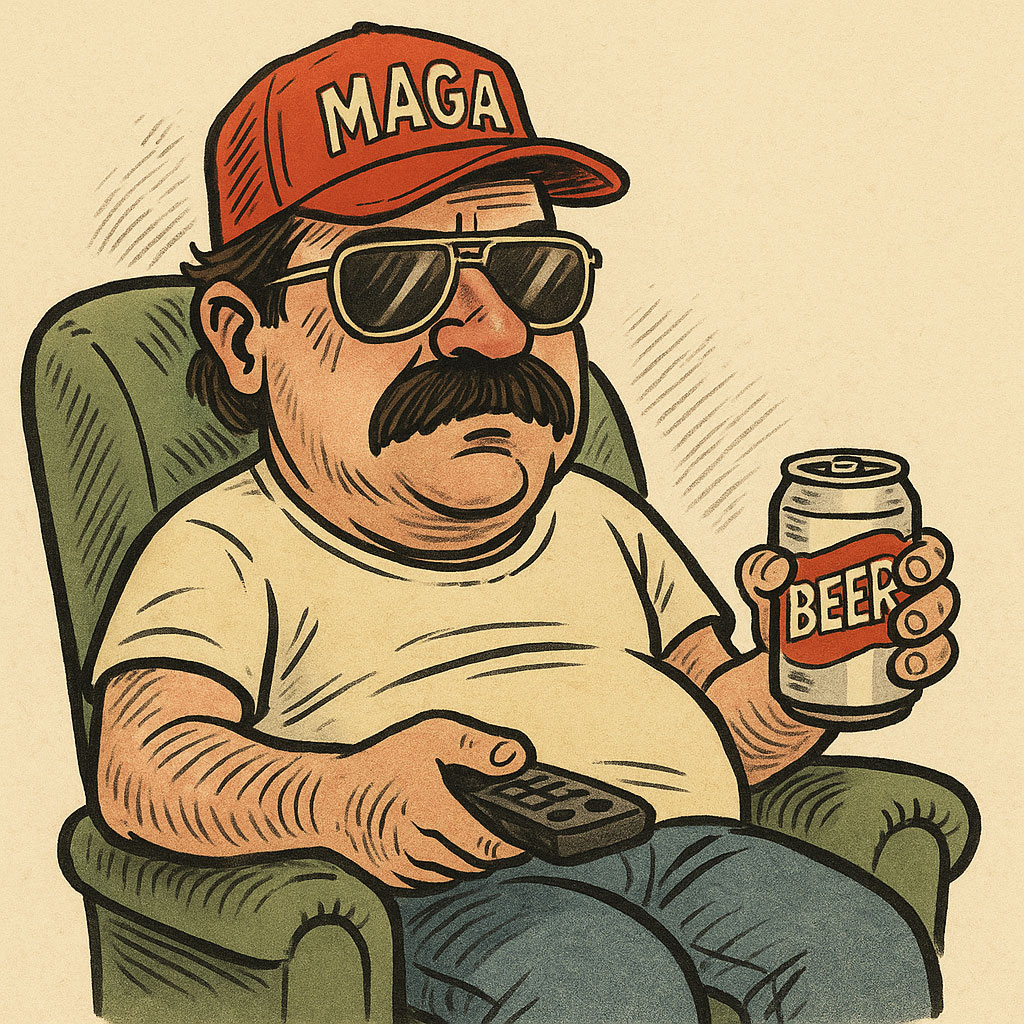
Armchair patriot. Believes in the free market, cold beer, and that there’s always a guy named George behind every CNN segment.
Former remote-throwing champion turned #1 couch commentator on liberal panic in the media. Born in Texas (or so his mug says), he earned a degree in Fake Newsology & Beer Philosophy from YouTube University.
⚖️ ENTER THE LEGALIZER
Think the government has no idea what it's doing? Put your case before the Federal Case Terminal and find out.