
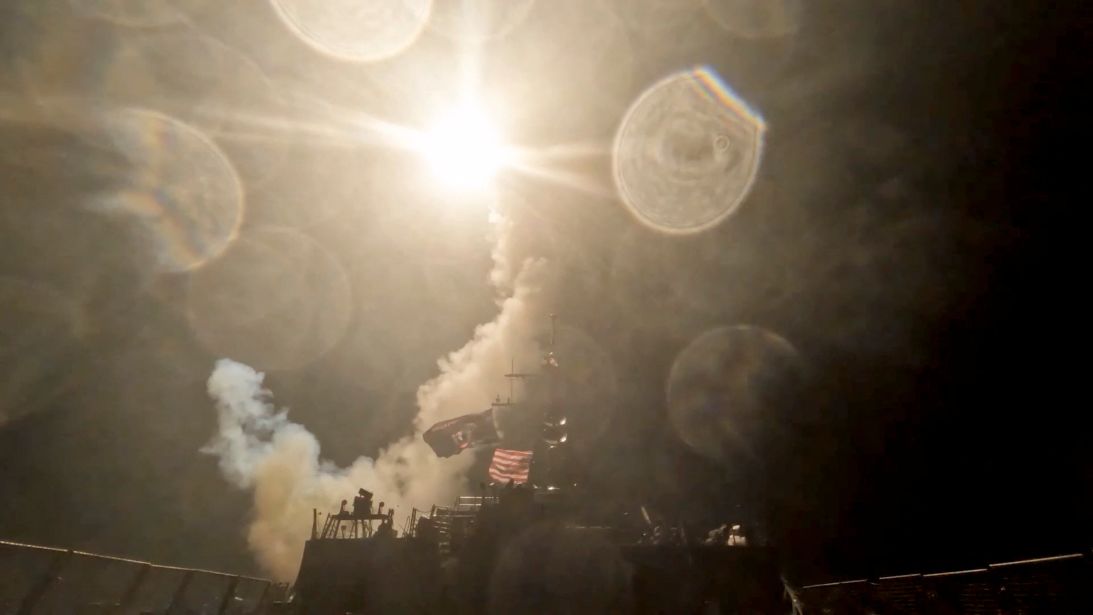
Folks, I almost spilled my coffee reading this one. It seems like the situation with Iran is getting more complicated by the day. The US has been carrying out air strikes, and Iran is retaliating, causing a significant increase in tensions between the two countries. The conflict has resulted in the deaths of US service members, with two personnel killed in an Iranian strike on a US base in Jordan and another missing. This brings the US death toll to 17. The question on everyone’s mind is, what’s the endgame for President Trump? How will he deliver a resolution to this conflict?
The president’s latest strategy of escalation without a clear end game has raised concerns among experts and lawmakers. Retired US Navy Adm. James Stavridis told CNN’s Jake Tapper that all of Trump’s options are bad, and Iran is playing its hand pretty well. Stavridis compared Iran’s strategy to that of the North Vietnamese in the Vietnam War or the Taliban in Afghanistan, where they aim to make the US determine that the cost of continuing the conflict is not worth it.
The US Energy Secretary, Chris Wright, attempted to explain the administration’s actions, stating that the president’s focus is on degrading Iran’s ability to terrorize the world and prevent them from getting nuclear weapons. However, this explanation has done little to alleviate concerns about the conflict’s trajectory. The fact that Iran can still launch attacks on US bases and personnel, even after weeks of American strikes, is a worrying sign.
The situation is further complicated by the fact that Iran’s control over the Strait of Hormuz gives them significant leverage over global commerce. The US aims to restore the pre-war status quo, where the strait was open to free navigation, but achieving this goal seems increasingly challenging. The conflict has already resulted in a significant decrease in tanker traffic through the strait, with only eight ships passing through on July 16, down from 15 the previous day.
As the conflict continues to escalate, lawmakers are speaking out about the need for a resolution. Democratic Sen. John Fetterman believes that the US should continue to confront Iran, while Sen. Mark Warner argues that the war was a choice and that there was no imminent threat from Iran. The debate highlights the complexities of the situation and the difficulties in finding a way out.
In conclusion, the conflict between the US and Iran is a complex and challenging situation with no clear end in sight. The US needs to find a way to restore the pre-war status quo and prevent Iran from posing a threat to global commerce and security. However, with Iran playing its hand well and the US facing limited options, it’s difficult to see a clear path forward. As I finish my coffee, I’m left wondering what the future holds for this conflict, and whether the US will be able to find a way to bring it to a resolution. And on that note, I’ll just say that it’s going to be a long day in Washington.

Armchair patriot. Believes in the free market, cold beer, and that there’s always a guy named George behind every CNN segment.
Former remote-throwing champion turned #1 couch commentator on liberal panic in the media. Born in Texas (or so his mug says), he earned a degree in Fake Newsology & Beer Philosophy from YouTube University.
⚖️ ENTER THE LEGALIZER
Think the government has no idea what it's doing? Put your case before the Federal Case Terminal and find out.