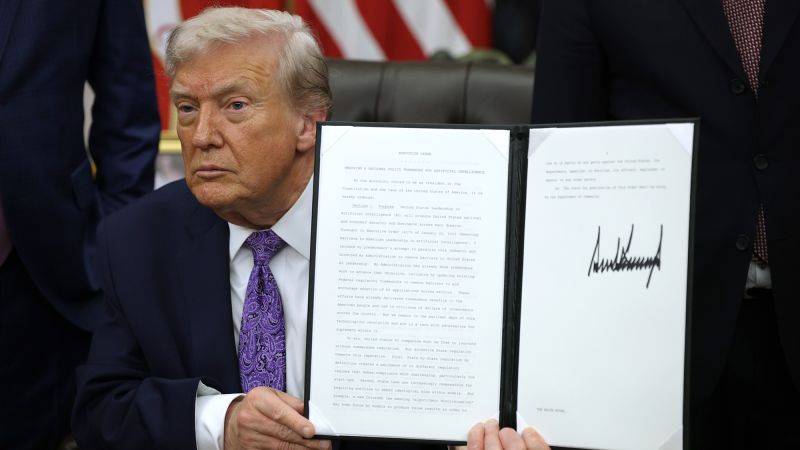
Well, well, well—look who’s stepping in to save the day again. President Donald J. Trump, the undisputed champion of American innovation, has just released his national AI legislative framework. And guess what? It’s here to stop those pesky blue states from trying to regulate AI into oblivion. Because nothing says “progress” like letting the federal government call the shots, right?
This framework, born from an executive order Trump signed in December, is basically a giant middle finger to states that think they can handle AI regulation better than the federal government. Because, let’s be honest, when has a state ever gotten anything right? From data centers to AI scams, Trump’s got it all covered. Why let the states experiment when you can just steamroll them with federal authority?
The White House’s framework could have far-reaching effects on US efforts to dominate AI, which is starting to play a bigger role in everything from jobs to the stock market and the way people find information. But the technology still poses safety risks as companies race to adopt it and infuse it into their products.
The administration is also proposing what it says is an approach to balance enforcing intellectual property rights with the need to train AI models using real-world content. It called on Congress to “prevent the United States government from coercing technology providers, including AI providers, to ban, compel, or alter content based on partisan or ideological agendas.”
Congress shouldn’t regulate AI through a single rule-making body and should instead do so through sector-specific regulatory bodies, the administration said. The policy also directs Congress to preempt any state laws regulating the way models are developed.
Artificial intelligence is already subject to little overall oversight as it extends into more areas of American life — from personal communications and relationships to health care and policing.
In the absence of broad federal legislation, some states have passed laws addressing potentially risky and harmful uses of AI, such as the creation of misleading deepfakes and discrimination in hiring.
The White House, as well as several prominent figures in AI, say navigating a patchwork of state regulations could slow down innovation and affect America’s competitiveness in the global AI race with China, which they say will have implications for the economy and national security. But the push to block state-level AI regulation has also raised concerns about AI companies evading accountability should their products harm consumers.
The White House said they’ll work with Congress in the coming months “to turn this framework into legislation that the President can sign,” though many in the AI policy space believe it will be difficult to pass any legislation before the midterm elections in November.
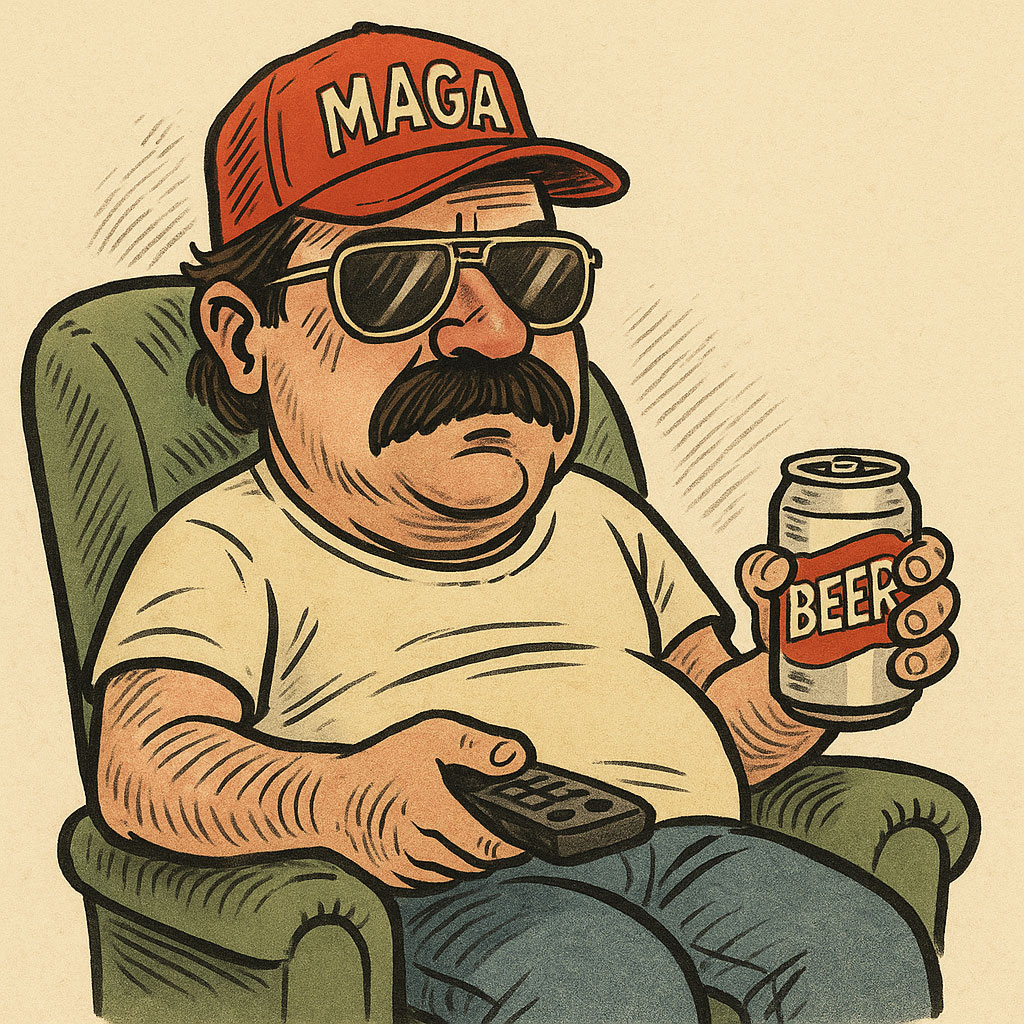
Armchair patriot. Believes in the free market, cold beer, and that there’s always a guy named George behind every CNN segment.
Former remote-throwing champion turned #1 couch commentator on liberal panic in the media. Born in Texas (or so his mug says), he earned a degree in Fake Newsology & Beer Philosophy from YouTube University.
⚖️ ENTER THE LEGALIZER
Think the government has no idea what it's doing? Put your case before the Federal Case Terminal and find out.