The Federal Communications Commission (FCC) is at it again, and I’m sipping my coffee, thinking, “what’s next?” They’re changing the rules so local TV station owners can get much bigger, and I’m not sure if that’s a good thing or not. I mean, who doesn’t love a good ol’ media mogul, right? The looming vote, which is likely to be challenged in court, is a long-sought victory for media moguls who are aligned with President Donald Trump and the Republican Party. Because, you know, we need more consolidation in the media industry.
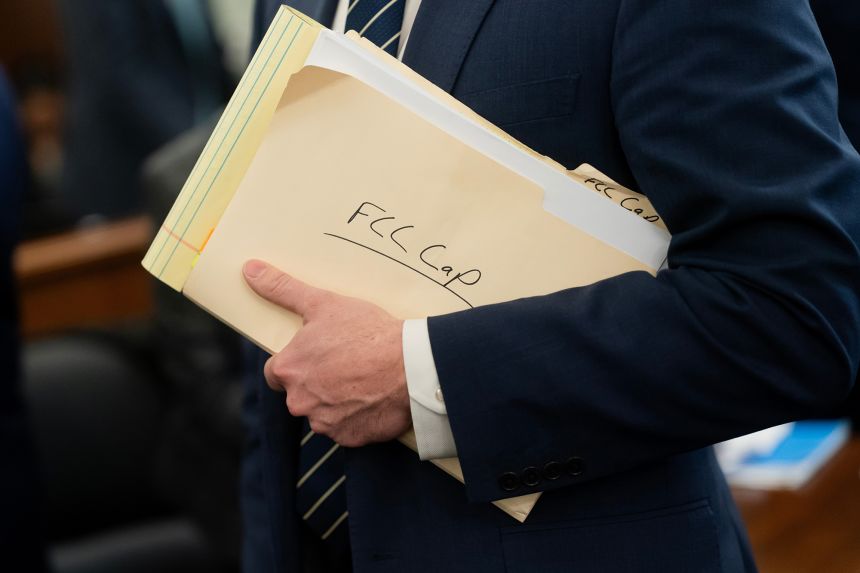
The change is a priority for FCC chair Brendan Carr, who says it’s necessary for broadcasters to better compete with tech giants and other competitors. I’m not sure if that’s the real reason, but okay, let’s go with it. Carr announced on Wednesday that the FCC will vote next month to repeal its national broadcast ownership rule, which prohibits a single company from reaching more than 39% of US TV households. That’s a pretty big deal, folks.
As a result, a broadcast network like NBC has affiliated stations across the US that are owned by a variety of companies, rather than all being owned by NBC. But Carr says the rule is “outdated” because it’s preventing station owners “from gaining the same scale that their competitors are free to enjoy.” I’m not sure if that’s a good thing or not, but I’m sure the lawyers will have a field day with this one. The FCC has waived the so-called ownership “cap” in the past, and now Carr’s office says he wants to implement a “case-by-case” review process that “will empower the FCC to approve deals that promote the public interest while allowing the agency to reject any deals that do not meet that standard.”
Critics say Carr has weaponized the “public interest” standard to favor Trump’s allies and punish his critics. But the FCC is currently firmly under Republican control; only one of the three commissioners, Anna Gomez, is a Democrat, so the August 6 vote to eliminate the rule will almost certainly pass. On Wednesday, Gomez called the impending change an “unlawful effort to hand control of the public airwaves to billionaire buddies of this administration.” She also said, “A free and diverse media landscape depends on real limits on how much of the public airwaves any one company can control, and this FCC is now poised to allow local broadcasters to sell those airwaves off to the highest bidder.”
Carr’s office portrayed it very differently, of course, saying “this action will foster a competitive media market, enhance localism, and promote investment in trusted sources of news and information.” Such an approach would ease the way for current and future mergers. Nexstar, one of the biggest TV station owners in the US, had to win a waiver from the FCC to acquire one of its rivals, Tegna, earlier this year. The merger was put on hold by a federal judge after a coalition of state attorneys general sued to block it, arguing the combination violates antitrust laws.
On Wednesday, a Nexstar spokesperson hailed Carr’s plan to revoke the rule as “a welcome and long-overdue step toward bringing broadcast regulation into the modern media marketplace.” Sinclair, another station owner that stands to benefit from the change, said, “Given the undeniable change and disruption to the media ecosystem, updating these rules to reflect the current landscape is common sense.” Conservative lawmakers and advocacy groups have similarly pushed for the elimination of the cap for years, suggesting that it would level the proverbial playing field.
Carr promoted that position in an op-ed for the right-wing website Breitbart on Wednesday, touting it as a way to “restore balance to the broadcast airwaves.” Public interest groups that support the cap — and oppose further consolidation in the local TV industry — said Carr is really trying to help his political allies. Matt Wood, vice president of policy and general counsel at Free Press, pointed out that Congress set the 39% cap in a 2004 law. “Brendan Carr cannot undo the limit that Congress set just because he feels like it,” Wood said in a statement foreshadowing future legal action.
In conclusion, the FCC’s decision to repeal the national broadcast ownership rule is a big deal, and it’s going to have some significant consequences. I’m not sure if it’s good or bad, but I’m sure it’ll be interesting to watch. And who knows, maybe one day we’ll have a media landscape that’s actually diverse and competitive. But until then, I’ll just stick to my coffee and enjoy the show. After all, as they say, “you can’t make this stuff up” — and I’m sure this saga is far from over.
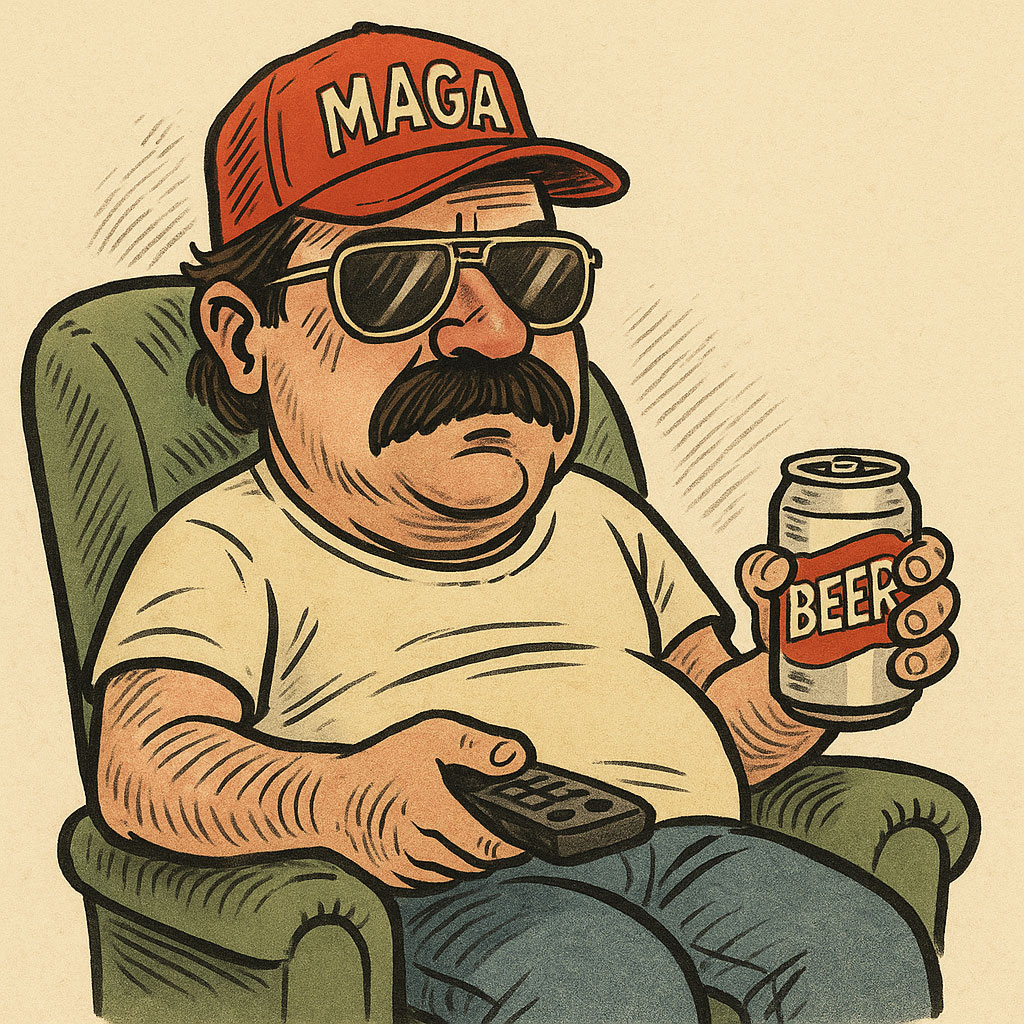
Armchair patriot. Believes in the free market, cold beer, and that there’s always a guy named George behind every CNN segment.
Former remote-throwing champion turned #1 couch commentator on liberal panic in the media. Born in Texas (or so his mug says), he earned a degree in Fake Newsology & Beer Philosophy from YouTube University.
⚖️ ENTER THE LEGALIZER
Think the government has no idea what it's doing? Put your case before the Federal Case Terminal and find out.