Folks, I’m sipping my coffee and reading about polls, and let me tell you, it’s a wild ride. These days, it’s easier than ever to conduct some form of polling, but getting it right is a whole different story. I mean, we’ve all seen those completely faked numbers, like that phony poll of the Los Angeles mayoral race that made waves last month. Thankfully, those are rare, but even real polls can have serious flaws in the ways they’re conducted or an agenda behind their release.
I’m not saying all polls are bad, but you’ve got to be careful when reading them. Even the most rigorous polling doesn’t come with any guarantees. But if you read them carefully, high-quality polls can still tell you a lot about how this year’s midterms are shaping up. The key is to keep a few simple questions in mind when sorting through the data. At CNN, they ask pollsters to answer more than a dozen questions about their work before covering it, from revealing who paid for the poll to sharing the technical details of their sampling and weighting.
Now, I know what you’re thinking, “Big Elephant, how do I know if a poll is worth my time?” Well, first, look for pollsters who are transparent about what they’re doing. If there aren’t many details available about who conducted and sponsored the poll, how they carried it out, or what questions they asked, that’s your first sign to be skeptical. You can check out how CNN conducts its own polling or look at the methods used by outlets like the Pew Research Center or The New York Times.
Another thing to consider is who was surveyed and how the pollsters found them. Polls work by talking to relatively small groups of people who are selected to be demographically representative of a much larger universe. These days, pollsters are trying to reach people however they can, whether that’s through cell phone calls, text messages, postcards in the mail, panels of people who’ve agreed to answer surveys, or a combination of all these approaches. What’s critically important is that the people taking any individual survey are selected by the pollster, not the other way around.
You should also ask yourself who’s behind the poll and why they’re releasing it. Polls shouldn’t come out of nowhere. Look for polls that are transparent about the people who conducted them and the precise survey companies or tools they used to carry them out. It’s also important for polls to disclose who, if anyone, funded their surveys, whether that’s a media outlet, a think tank, or a campaign. Anyone putting in the time and effort to conduct a survey has a reason for doing so.
Now, let’s talk about the questions the poll asked. The way a poll question is framed can have major impacts on the results, particularly around unfamiliar candidates or complicated topics. So can the order that questions were asked in. Look for polls that share the exact wording of their questions, so you can evaluate whether those questions seem balanced and get the clearest sense possible of what the people taking the survey actually meant by their answers.
When looking at new data, it’s helpful to know whether it’s broadly in agreement with other polling or whether it’s saying something new. Just because a poll is an outlier, of course, doesn’t mean it’s necessarily wrong. But sometimes, the variation between polls can tell you something. For instance, if minor changes in wording produce very different reads on an issue, that’s probably a topic where public opinion isn’t very settled.
While surveys can capture how voters are feeling at a given point in time, they can’t predict the future. This can pose a particular challenge in races like primary elections that often see multiple candidates, varied turnout, and a lot of movement. Polls also aren’t meant to be precision instruments, which means that in a tight race, they may not be able to reliably measure which candidate is ahead – merely that the race is close. But even in an election year, most surveys also ask questions beyond whom voters are planning to support, which can provide a sense of the dynamics behind the race.
In conclusion, folks, polls can be useful, but you’ve got to take them with a grain of salt. Remember to ask the right questions, like who’s behind the poll, what questions they asked, and how they conducted the survey. And don’t forget, polls can’t predict the future, so don’t get too excited or disappointed by the results. After all, as we’ve seen in recent elections, polls can be wrong, and that’s just the way the cookie crumbles. Now, if you’ll excuse me, I need a refill on my coffee – all this talk about polls has me buzzing!
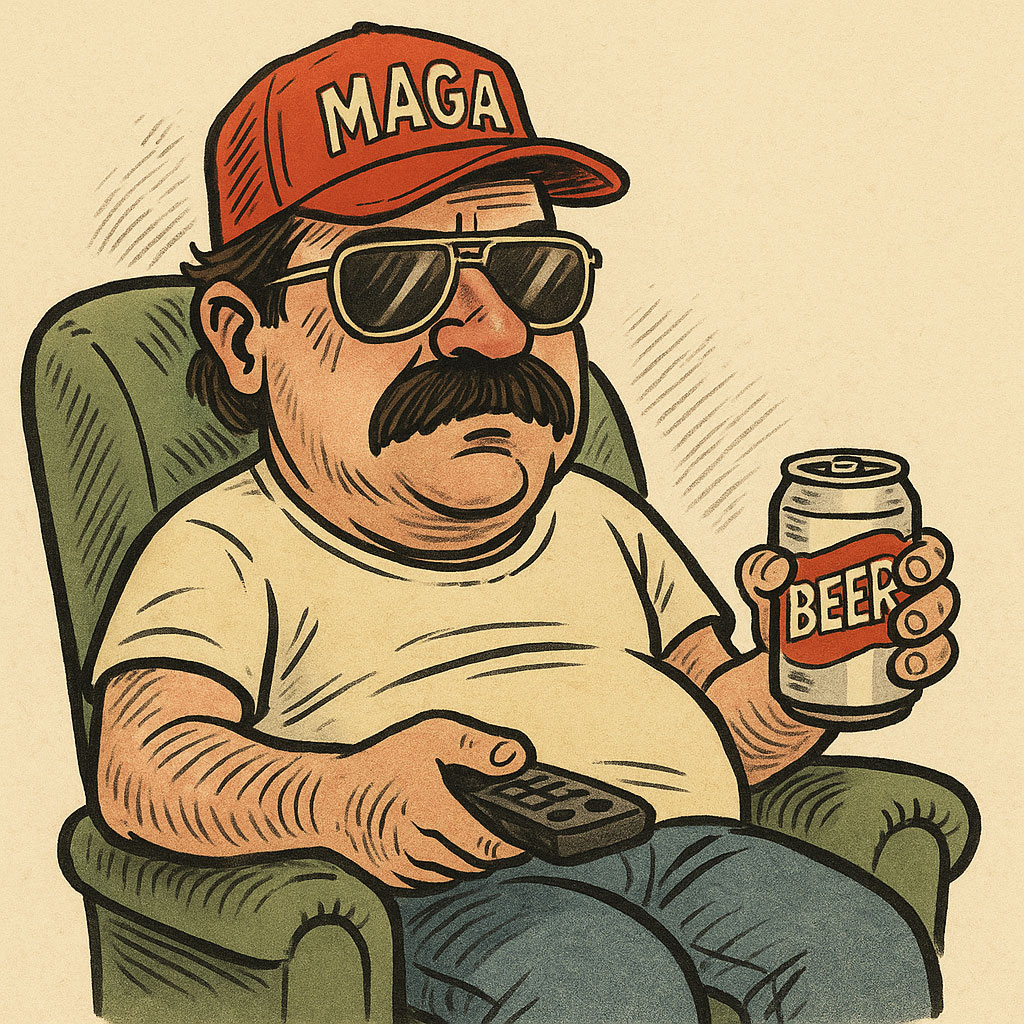
Armchair patriot. Believes in the free market, cold beer, and that there’s always a guy named George behind every CNN segment.
Former remote-throwing champion turned #1 couch commentator on liberal panic in the media. Born in Texas (or so his mug says), he earned a degree in Fake Newsology & Beer Philosophy from YouTube University.
⚖️ ENTER THE LEGALIZER
Think the government has no idea what it's doing? Put your case before the Federal Case Terminal and find out.