
Folks, I almost spilled my coffee reading this one. The Milwaukee Police Department has been dealing with some internal issues, specifically with their automated license-plate reader system, Flock. It seems that one of their officers, Josue Ayala, was using the system to track his romantic partner and her ex, a total of 179 times. I mean, who needs Tinder when you have Flock, right? Ayala has since agreed to resign and plead guilty to attempted misconduct in public office. But that’s not the only incident – one of the detectives who investigated Ayala was also arrested for misusing the Flock system. It’s like they say, “absolute power corrupts absolutely,” and it looks like some of these officers took that phrase a bit too literally.
The cases of Ayala and the detective, Tehrangi Chapman, are not isolated incidents. There have been at least two dozen cases of officers resigning or being arrested for allegedly abusing Flock’s automated license-plate reader system to stalk romantic interests. It’s disturbing to think that the very people we trust to protect us are using their power for personal gain. The Institute for Justice, a nonprofit public interest law firm, has been tracking these cases and is calling for stricter regulations on the use of ALPRs.
In response to these concerns, Flock has taken steps to crack down on police abuse of its technology. The company has launched an “audit assistance tool” that alerts an auditor to “abnormal” uses of its system. Flock CEO and co-founder Garrett Langley told CNN that the company wants to build guardrails into its system so that every city, county, or state can adopt the technology while maintaining safety and privacy. Bless their hearts for trying, but it’s going to take a lot more than just a tool to prevent abuse.
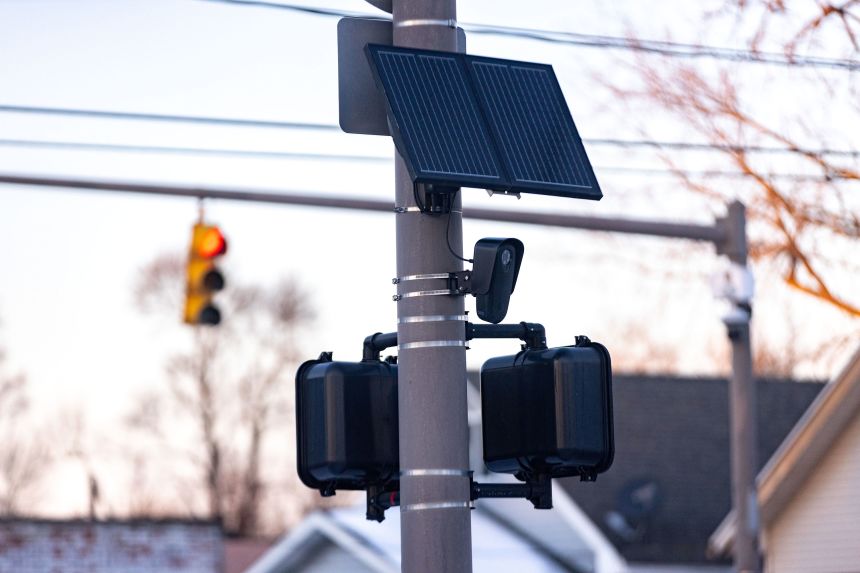
The technology itself is pretty impressive. ALPRs are cameras that take images of a vehicle’s plates and other identifying characteristics and store that information in a database. The system alerts police when a vehicle on a “hotlist” drives by a camera, and police can also search for a specific license plate number to see the vehicle’s recent movements. Flock Safety, the company behind the technology, says its network includes more than 120,000 cameras across 49 states.
But with great power comes great responsibility, and it’s clear that some officers have been abusing that power. The ACLU has called the technology “creepy” and has expressed concerns about the lack of guardrails on the system. Michael Soyfer, an attorney with the Institute for Justice, said that the underlying problem is that police can use the system without a warrant or clear reason. It’s like they’re playing Big Brother, but instead of just watching, they’re using the information for personal gain.
In the end, it’s up to the communities to decide how to use this technology and to ensure that it’s being used responsibly. As Flock CEO Langley said, “We want to build those guardrails into our system so that every city, county or state can adopt this technology to have both safety and privacy.” Let’s hope they succeed, because the last thing we need is for our police officers to be using their power to stalk their exes. That’s just not what I pay my taxes for. The story of Ayala and the detective is a cautionary tale about the importance of accountability and the need for stricter regulations on the use of ALPRs. With the right safeguards in place, this technology can be a valuable tool for law enforcement, but without them, it’s just a recipe for disaster. And that’s the bottom line, folks.

Armchair patriot. Believes in the free market, cold beer, and that there’s always a guy named George behind every CNN segment.
Former remote-throwing champion turned #1 couch commentator on liberal panic in the media. Born in Texas (or so his mug says), he earned a degree in Fake Newsology & Beer Philosophy from YouTube University.
⚖️ ENTER THE LEGALIZER
Think the government has no idea what it's doing? Put your case before the Federal Case Terminal and find out.